Historical Landmarks in Flatlands
Flatlands, Brooklyn, is a neighborhood rich in history and cultural significance. Known for its early Dutch colonial roots, Flatlands has preserved several historical landmarks that provide a glimpse into its past. Here, we explore three key landmarks that stand out for their historical value and contributions to the area’s heritage: The Wyckoff House Museum, the Hendrick I. Lott House, and the Flatlands Reformed Church.
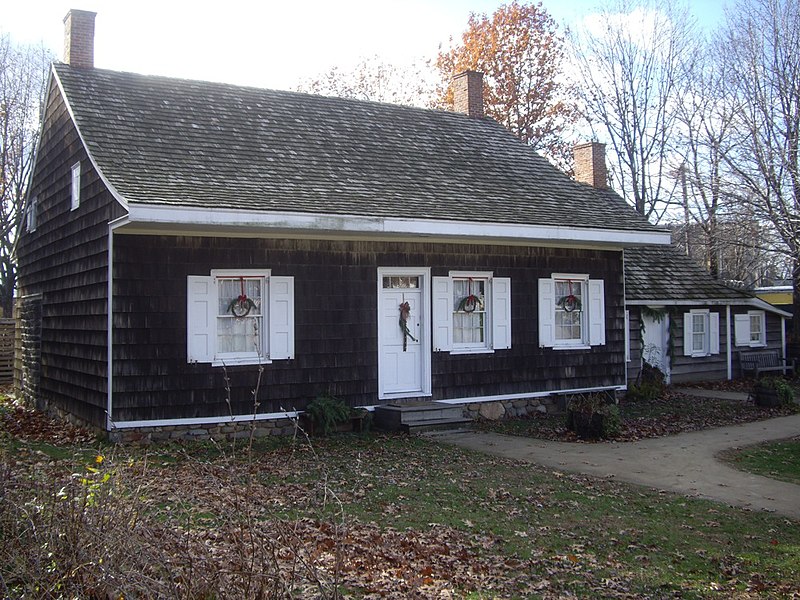
Image from Wikimedia.org
The Wyckoff House Museum
The Wyckoff House Museum, located at 5816 Clarendon Road, is the oldest surviving building in New York City. Built around 1652 by Pieter Claesen Wyckoff, a Dutch immigrant, this house is a significant representation of the early Dutch settlements in Brooklyn. The house remained in the Wyckoff family for centuries, serving as a residence, farm, and gathering place.
The Wyckoff House is a remarkable example of Dutch colonial architecture, showcasing features such as a steeply pitched roof, casement windows, and heavy timber construction. It reflects the building techniques and materials used by early settlers, offering a tangible connection to the 17th-century Dutch heritage in Brooklyn. The house has undergone several modifications and expansions over the years, adapting to the needs of its inhabitants while retaining its historical essence.
In the 1960s, recognizing the historical importance of the Wyckoff House, preservationists worked to restore and protect the structure. It was designated a New York City Landmark in 1965 and became a National Historic Landmark in 1967. Today, the Wyckoff House operates as a museum, providing educational programs, tours, and exhibits that explore the history of early Dutch settlers, colonial life, and the agricultural history of Brooklyn. Visitors can experience hands-on activities, such as gardening and traditional crafts, making it a valuable educational resource.
The Wyckoff House Museum serves as a cultural hub, engaging the community with its rich history and heritage. It hosts various events, workshops, and festivals, celebrating the diverse cultural fabric of Brooklyn. The museum’s efforts to connect historical narratives with contemporary issues make it a vital institution in preserving and promoting the legacy of Flatlands and its Dutch colonial past.
The Hendrick I. Lott House
The Hendrick I. Lott House, located at 1940 East 36th Street, is another prominent historical landmark in Flatlands. Built around 1720, the house was initially constructed by Johannes Lott and later expanded by his grandson, Hendrick I. Lott, in 1800. The Lott House is an exceptional example of a Dutch-American farmhouse and offers insights into the life of a prosperous farming family in colonial Brooklyn.
The Lott House combines Dutch and English architectural styles, reflecting the evolving cultural influences in the region. The original 1720 section of the house features traditional Dutch elements, such as a steeply pitched roof and Dutch doors, while the 1800 expansion incorporates Federal-style details, including high ceilings and decorative mantels. The house’s blend of styles illustrates the transition from colonial to early American architecture.
The Lott family were prominent landowners and farmers, and their house served as the center of a large agricultural estate. The property included orchards, livestock, and fields of grain, providing a livelihood for the family and contributing to the local economy. The Lott House also played a role in the Underground Railroad, offering refuge to escaping slaves, highlighting the family’s commitment to social justice and human rights.
The Flatlands Reformed Church
The Flatlands Reformed Church, located at 3931 Kings Highway, is one of the oldest churches in Brooklyn, with a history dating back to 1654. The current church building, constructed in 1848, stands on the site of the original church and continues to serve as a place of worship and community gathering.
The Flatlands Reformed Church reflects the early Dutch Reformed heritage of the area. The 1848 building, designed in the Greek Revival style, features a simple yet elegant design with a white clapboard exterior, a gabled roof, and a tall steeple. The church’s architecture represents the aesthetic values of the mid-19th century while honoring the traditions of its Dutch Reformed roots.
Adjacent to the church is a historic cemetery, which contains the graves of many early settlers and prominent community members. The cemetery’s tombstones and monuments provide valuable historical insights into the lives and legacies of Flatlands’ residents over the centuries. Notable burials include members of the Lott, Wyckoff, and other founding families, whose contributions shaped the development of the neighborhood.
Throughout its history, the Flatlands Reformed Church has been a central institution in the community, providing spiritual guidance, social support, and a sense of continuity. The church has hosted various events, from religious services and weddings to community meetings and charitable activities. Its enduring presence symbolizes the resilience and unity of the Flatlands community.
Efforts to preserve the Flatlands Reformed Church have ensured that it remains a vital part of the neighborhood’s heritage. The church’s leadership and congregation are dedicated to maintaining the building’s historical integrity while adapting to the needs of a modern congregation. The church continues to be a place where history and tradition are honored, and community bonds are strengthened.
Conclusion
The Wyckoff House Museum, the Hendrick I. Lott House, and the Flatlands Reformed Church are three historical landmarks that embody the rich and diverse history of Flatlands, Brooklyn. Each landmark offers unique insights into the area’s development, from its early Dutch colonial roots to its evolution into a vibrant, multi-cultural community.