Trip and Fall Accidents on Verrazano-Narrows Bridge
Trip and fall accidents on the Verrazano-Narrows Bridge pose unique dangers to pedestrians navigating this well-traveled span. Due to the bridge’s high foot traffic and exposure to harsh weather, pedestrians may encounter uneven surfaces, slippery areas, and unpredictable hazards. With thousands of residents and tourists using this iconic bridge daily, even minor surface irregularities can lead to severe injuries.
Several conditions can contribute to trip and fall accidents on the bridge. For instance, areas with cracked or shifted pavement or where recent repairs are incomplete present risks for trips. Additionally, weather elements-such as heavy rain, fog, or ice-can make pedestrian walkways treacherous, particularly if not properly treated or marked. Awareness of these factors is crucial to understanding how and why these accidents occur.
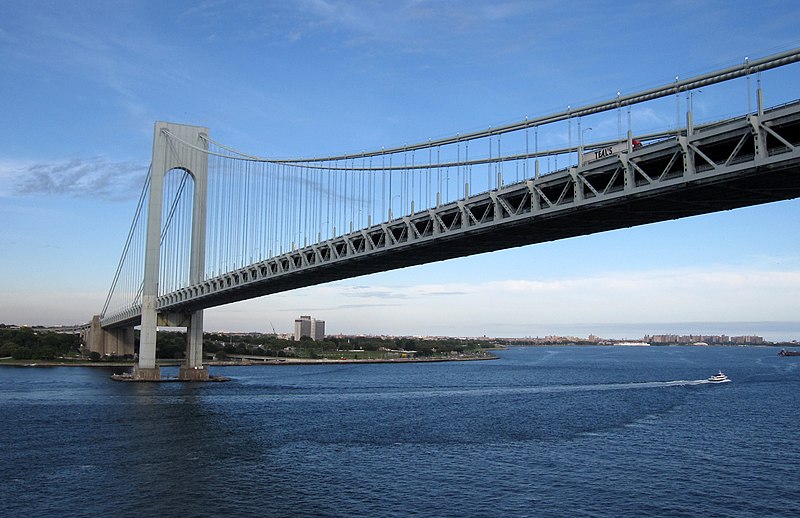
Image from Wikimedia.org
As one of New York’s most heavily used bridges, the Verrazano-Narrows Bridge is constantly undergoing maintenance and repairs, increasing the likelihood of hazards like construction debris or unmarked, uneven surfaces. Recognizing these risks is the first step in protecting yourself and understanding the conditions that can contribute to a trip and fall accident.
Common Causes of Trip and Fall Accidents on Bridges
Trip and fall accidents on public structures like the Verrazano-Narrows Bridge can result from environmental and maintenance-related factors. A primary cause is uneven surfaces due to cracks, erosion, or wear, which are often more dangerous on a bridge exposed to fluctuating temperatures and heavy foot traffic. Potholes, raised sections, and broken tiles also pose significant risks.
Besides structural issues, temporary hazards during construction, maintenance, or inclement weather can increase the likelihood of falls. Debris left on walkways or poorly marked construction zones can lead to unexpected pedestrian hazards. Poor lighting on certain sections of the bridge, especially during evening hours, may make these hazards more difficult to detect.
These conditions are dangerous but often interact, creating more complex hazards. For instance, rain or snow can make uneven surfaces even slippery, while construction signs obscured by darkness can make it harder for pedestrians to avoid risky areas.
Injuries Commonly Resulting from Trip and Fall Accidents
Trip and fall incidents can result in various injuries, ranging from minor cuts and bruises to severe physical trauma. In more severe cases, individuals may suffer fractures, dislocations, head injuries, or spinal damage. The force of impact from a fall can cause severe injuries to the hips, knees, and wrists, often requiring extensive medical treatment and rehabilitation.
For example, someone who trips on an uneven surface could land heavily on their hands or knees, causing fractures or torn ligaments. Head injuries, such as concussions, are also common in falls where the person lands on a hard surface, which can have long-lasting cognitive effects.
Some of these injuries can have lasting consequences, impacting the individual’s mobility, quality of life, and ability to work. For those with severe injuries, the recovery process can be both physically and emotionally taxing, adding additional burdens that might entitle them to compensation if negligence can be established.
Legal Rights for Trip and Fall Victims in New York
In New York, individuals injured in trip and fall accidents have legal rights under premises liability law. This body of law holds property owners responsible for maintaining safe conditions on their property to prevent injuries to visitors. In cases involving public bridges like the Verrazano-Narrows Bridge, this duty of care extends to the entities responsible for bridge maintenance, such as the City of New York or the Metropolitan Transportation Authority (MTA).
Trip and fall victims must prove that a dangerous condition existed and that the entity responsible for maintenance knew or should have known about the hazard but failed to address it. Proving liability can be more challenging when public property is involved, as these cases often require showing that the entity was negligent in its duty of care.
For those injured on public infrastructure, it’s crucial to act quickly and understand these legal requirements. Filing a claim on public property involves additional procedures and deadlines that differ from private property cases. Consulting with a lawyer who understands these distinctions can be a significant advantage in ensuring compliance and protecting your right to recovery.
Liability for Trip and Fall Accidents on Public Bridges
Establishing liability in a trip and fall case on a public bridge, like the Verrazano-Narrows, can be complex due to the involvement of multiple parties. Potentially liable parties include the City of New York, the MTA, maintenance contractors, or other agencies responsible for bridge upkeep. Determining the correct party to hold accountable requires a detailed investigation into the maintenance schedules, responsibility agreements, and incident conditions.
To successfully prove liability, injured parties must demonstrate that the responsible entity knew or should have known about the hazardous condition and failed to address it within a reasonable timeframe. Evidence such as maintenance records, inspection reports, and witness statements can support this claim, helping to show that negligence in bridge upkeep led to the trip and fall incident.
Due to the involvement of public entities, these cases often require filing a Notice of Claim, which is an essential step in any personal injury claim against the government. Failure to follow these procedures or identify the liable party can result in dismissing an otherwise valid claim, underscoring the importance of seeking experienced legal guidance.
Filing a Notice of Claim for a Trip and Fall Accident on the Verrazano-Narrows Bridge
For those injured on the Verrazano-Narrows Bridge, filing a Notice of Claim is a critical step when pursuing legal action against a government entity, such as the City of New York or the MTA. Under New York law, the Notice of Claim must be filed within 90 days of the accident, detailing the incident, location, injuries sustained, and the grounds for claiming damages. This notice must inform the relevant entity of the incident, allowing them to investigate the claim.
Missing this deadline can be highly detrimental, as failure to file on time can prevent an individual from pursuing compensation. However, in certain cases, individuals may petition for permission to file a late Notice of Claim, although the success of these petitions is not guaranteed. Acting quickly and accurately within the designated timeframe helps ensure the legal process can proceed without unnecessary complications.
Due to the strict requirements and deadlines involved in filing a Notice of Claim, victims should seek legal guidance. A skilled attorney can help ensure that all necessary details are included in the notice and that deadlines are met, strengthening the victim’s position in the claim.
Statute of Limitations for Trip and Fall Cases in New York
In New York, trip and fall accident cases are governed by a statute of limitations, which sets the time limit for filing a lawsuit. For personal injury claims arising from trip and fall incidents, the statute of limitations is generally three years from the date of the injury. However, suppose the incident occurs on public property like the Verrazano-Narrows Bridge. In that case, additional requirements apply, and these timeframes may be shortened due to the need to file a Notice of Claim.
When a government entity like the City of New York or the MTA is involved, the injured party must file the Notice of Claim within 90 days and then has one year and 90 days from the accident date to initiate a lawsuit. These time constraints emphasize the importance of prompt action to preserve your rights. You must complete these deadlines to recover any compensation, regardless of the validity of your claim.
Given the strict deadlines and procedural requirements, consulting a lawyer soon after an accident is highly recommended. Doing so can help ensure all steps are followed, and you retain your right to pursue compensation for your injuries and losses.
Proving Negligence in a Trip and Fall Accident
Proving negligence is a central component in trip and fall cases, requiring evidence that the responsible party failed to uphold a duty of care. In the context of the Verrazano-Narrows Bridge, this may involve demonstrating that the City, MTA, or other responsible agency was aware of the dangerous condition and failed to rectify it. Gathering strong evidence is essential to building a successful case.
Key evidence in these cases often includes photographs of the hazardous area, witness statements, medical reports, and, if available, maintenance records or inspection logs. These items can substantiate claims that the hazard was present and either ignored or inadequately addressed. Additionally, expert testimony on standard safety practices for public walkways may help illustrate how the entity’s actions fell short of these standards.
Collecting evidence as soon as possible is essential in public property cases, as the conditions on the bridge may change over time, potentially impacting the strength of your claim. Seeking legal guidance can assist in promptly gathering this evidence, increasing the likelihood of a favorable outcome.
Damages Recoverable in a Trip and Fall Case
In a successful trip and fall claim, injured parties may recover a range of damages depending on the extent of their injuries and the impact on their lives. Commonly recoverable damages include medical expenses for immediate and long-term treatment, lost wages from time missed at work, and compensation for pain and suffering from the injury.
For serious injuries, additional damages may be awarded to cover ongoing medical needs or diminished earning capacity. For instance, if a fall on the bridge results in a severe spinal injury that limits mobility, the injured person may be entitled to compensation that reflects the long-term effects on their livelihood and quality of life.
In New York, the concept of contributory negligence may affect the amount of compensation a victim can recover. If the injured party is found partially responsible for the accident (for example, by not paying attention or disregarding signage), their damages may be reduced proportionally. Understanding these nuances is critical in determining a fair and reasonable settlement.
Steps to Take After a Trip and Fall Accident on the Verrazano-Narrows Bridge
Taking immediate steps after a trip and fall accident is crucial, especially on public property like the Verrazano-Narrows Bridge. The priority is to seek medical attention, even if injuries appear minor. Some injuries, like concussions or internal damage, may not be immediately apparent and could worsen without prompt treatment. Seeking medical care also documents the injuries, which can be critical evidence in a legal claim.
After ensuring medical needs are addressed, gathering evidence at the scene is important if possible. Photos of the area where the fall occurred, particularly of visible hazards like cracks, debris, or poor lighting, can provide valuable documentation. Collecting their contact information and statements can support your claim if there are witnesses.
Finally, promptly reaching out to our qualified attorneys can help protect your legal rights. A lawyer highly experienced in trip and fall cases involving public property can guide you through filing a Notice of Claim, gathering evidence, and meeting all legal deadlines, ensuring you’re well-positioned for a successful outcome.
The Law Office of Irene H. Gabo, P.C. Can Help with Your Trip and Fall Case on the Verrazano-Narrows Bridge
Trip and fall cases on public properties like the Verrazano-Narrows Bridge present unique challenges due to the involvement of government entities, strict filing deadlines, and complex liability issues. At the Law Office of Irene H. Gabo, P.C., we have experience handling trip and fall cases that involve New York City agencies and the MTA, and we understand the intricacies of premises liability on public infrastructure.
Our team can help you navigate the requirements specific to trip and fall claims involving public property, including the timely filing of a Notice of Claim and meeting the statute of limitations. We work diligently to investigate the circumstances of each accident, gather essential evidence, and advocate for fair compensation that addresses all the damages you have suffered.
If you or a loved one has been injured in a trip and fall accident on the Verrazano-Narrows Bridge, don’t hesitate to Contact the Law Office of Irene H. Gabo, P.C. for a consultation. Our lawyers are committed to fighting for the rights of injury victims and are ready to help you pursue the compensation you deserve. Call us today at (800) 560-0214 or complete our online form to discuss your case.

Irene H. Gabo is a dedicated personal injury attorney based in Brooklyn, specializing in a wide range of personal injury cases. With over a decade of experience, she has successfully represented thousands of clients who have suffered injuries from motor vehicle accidents, construction incidents, dog bites, and medical malpractice. Known for her expertise and commitment, Ms. Gabo has recovered millions of dollars for her clients, ensuring they receive the justice and compensation they deserve. If you or a loved one has been injured in Brooklyn, reach out to Irene for a free consultation and expert guidance on your personal injury claim.