Trip and Fall Risks at the New York Aquarium
The New York Aquarium, a popular attraction at Coney Island, draws thousands of visitors yearly. With diverse exhibits, aquatic environments, and family-friendly activities, the aquarium is a vibrant but busy environment. The unique features of this venue also come with specific risks, especially when it comes to trip and fall accidents. Crowded pathways, wet surfaces around aquatic displays, and dimly lit areas are just a few hazards visitors may encounter.
As a heavily visited public attraction, the aquarium must ensure that walkways are safe and that any hazardous conditions are promptly addressed. Unfortunately, visitors can be put at risk when safety protocols are not followed. For individuals injured in a trip and fall accident at the aquarium, understanding their rights and legal options is essential.
If you or someone you care about has been injured in a trip and fall accident at the New York Aquarium, understanding your rights is essential for pursuing compensation for medical expenses, lost income, and other costs. In this article, we will discuss the typical hazards, legal safeguards, and the actions to take if you experience a trip and fall incident at the aquarium.
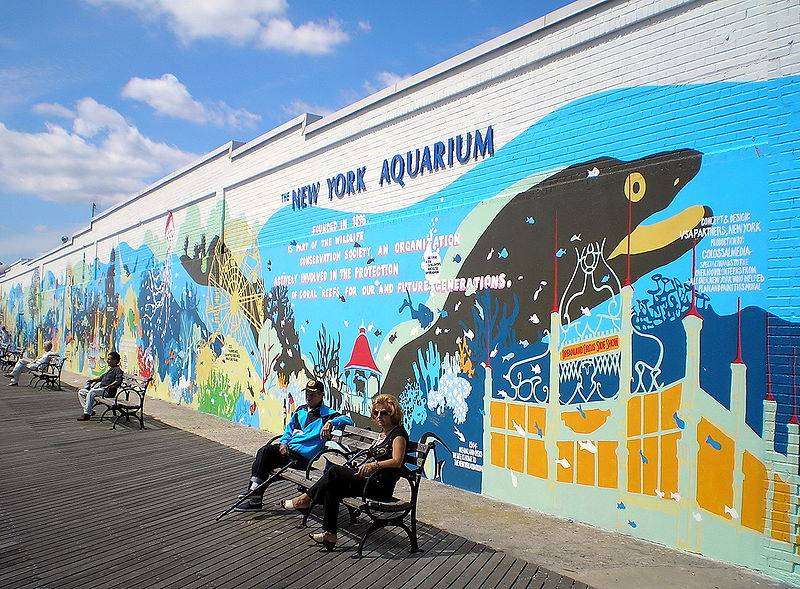
Image from Wikimedia.org
Frequent Causes of Trip and Fall Accidents in Aquariums
Aquariums are unique spaces often featuring wet environments, dark areas to highlight exhibits and high visitor foot traffic. These factors create several potential trips and fall hazards, including
- Wet or slippery floors: Areas near aquatic displays or water features can become slick, especially if not properly monitored or mopped. Wet floors are among the most common causes of falls in public venues like aquariums.
- Dim lighting: Certain exhibit areas may be dimly lit to enhance the viewing experience, but this can also make it difficult for visitors to see changes in floor levels, steps, or other hazards.
- Uneven or cracked flooring: High foot traffic can wear down pathways, causing cracks or shifts in flooring. These uneven surfaces can be hard to notice, especially in crowded areas.
- Temporary obstacles: Items like strollers, dropped food, and spilled drinks can create unexpected obstacles. Aquarium staff must be vigilant in keeping walkways clear of such hazards.
Each of these factors can significantly increase the risk of an accident. When venues like aquariums neglect routine maintenance or fail to address hazards promptly, they may be held liable for resulting injuries.
Types of Injuries Commonly Sustained in Aquarium Trip and Fall Accidents
Trip and fall accidents can result in a range of injuries, from minor scrapes and bruises to severe and life-altering trauma. In aquariums, where floors are often complex, and conditions may be slippery, common injuries include:
- Fractures and sprains: Falls onto hard surfaces can easily lead to broken bones, particularly in the wrists, ankles, or hips, which may require surgery or long-term rehabilitation.
- Head injuries: Concussions or other traumatic brain injuries can occur if a person strikes their head during a fall, which may lead to long-lasting cognitive effects.
- Spinal injuries: Severe falls may result in spinal damage, including herniated discs or fractures that can lead to chronic pain or permanent mobility issues.
For individuals with significant injuries, the impact can extend beyond physical pain to affect their daily lives, mobility, and financial stability. Seeking compensation for these losses is often necessary to cover medical bills and other expenses, especially when injuries lead to long-term recovery or permanent disability.
Premises Liability for Public Spaces in New York
In New York, premises liability law holds property owners and managers responsible for maintaining safe conditions to protect visitors. This law applies to public spaces, including attractions like the New York Aquarium, which must take reasonable steps to prevent trip and fall accidents. As a popular destination with heavy foot traffic, the aquarium must address hazards like wet floors and uneven surfaces and ensure that exhibits are designed for visitor safety.
To establish liability in a trip and fall case, the injured party must prove that the aquarium knew or should have known about the hazardous condition and failed to take adequate action. For instance, if a walkway near an exhibit is constantly wet but needs to be properly maintained or marked with caution signs, this could indicate negligence. The aquarium’s duty of care includes regular inspections, maintenance, and prompt attention to potential hazards.
However, proving liability in crowded attractions can be complex. Legal assistance can help navigate these challenges, ensuring that injured visitors understand their rights and options for pursuing compensation.
Establishing Liability in a Trip and Fall Accident at the New York Aquarium
Identifying the liable party in a trip and fall case at the New York Aquarium involves determining who was responsible for the hazardous condition. This may include aquarium management, maintenance staff, or, in some cases, third-party vendors if the accident occurred near temporary displays or vendor-operated stands. Gathering evidence that shows negligence is crucial to establishing liability.
To support a claim, evidence such as maintenance logs, inspection records, and witness statements can help demonstrate that the aquarium failed to uphold its duty of care. For example, if a visitor falls due to a spill that was reported but not cleaned up, the delay in addressing this hazard may show negligence. Surveillance footage, if available, can also play a critical role by showing conditions at the time of the accident.
Working with a legal professional can ensure that evidence is collected and presented effectively, helping to hold the responsible party accountable and improve the chances of a successful claim.
Filing a Trip and Fall Claim Against the Aquarium
Filing a claim after a trip and fall accident in a private venue like the New York Aquarium follows different procedures than claims involving public property. There is no need to file a Notice of Claim, which is required for public entity cases, but it’s essential to follow proper legal steps to ensure the claim is valid.
The first step is to gather documentation, including medical records, photographs of the hazard, and any incident report filed with the aquarium. It’s also important to keep records of all expenses related to the injury, such as medical bills and lost wages. Once documentation is collected, a claim can be filed, outlining the hazardous condition, the aquarium’s role in causing the injury, and the damages suffered.
Consulting an attorney can simplify the claims process and ensure that legal requirements are met. A lawyer experienced in premises liability cases will help protect your rights, meet deadlines, and maximize the potential compensation for your injuries.
Statute of Limitations for Trip and Fall Cases in New York
In New York, trip and fall cases have a statute of limitations that generally provides a three-year window from the date of injury to file a personal injury lawsuit. If you were injured in a trip and fall accident at the New York Aquarium, you have up to three years to initiate legal action. Failing to file within this timeframe usually results in losing the right to seek compensation, no matter how serious the injury.
Although three years may seem like ample time, acting promptly is important to gather evidence while it is still fresh and to ensure that witness accounts are accurate. Delays can complicate a case, especially if conditions at the scene change or key evidence, such as maintenance logs or security footage, is no longer available.
Consulting with an attorney soon after the accident allows for timely filing, preserving your legal rights, and enhancing the strength of your case. An experienced lawyer can guide you through each step of the claims process and ensure all deadlines are met, protecting your right to compensation.
Proving Negligence in an Aquarium Trip and Fall Case
To succeed in a trip and fall claim, the injured party must prove that the New York Aquarium was negligent. This involves demonstrating that the aquarium had a duty to maintain safe conditions, failed to address a hazard, and that this breach directly caused the injury. In these cases, the four primary elements of negligence are the duty of care, breach, causation, and damages.
Evidence is critical in proving these elements. Photos of the accident site, medical records documenting the injury, and witness statements can all support a claim. For example, a visitor slips on a wet floor without a caution sign, which may indicate a breach of duty. Medical documentation of injuries and associated costs further establishes damages incurred as a result of the fall.
In some cases, expert testimony can be instrumental in explaining the aquarium’s responsibility to maintain safe conditions or how standard protocols for visitor safety were not followed. With strong evidence, victims increase their chances of proving negligence and securing the compensation they deserve.
Damages Recoverable in a Trip and Fall Claim
In a successful trip and fall case, victims may be eligible to recover various types of damages, depending on the severity of their injuries and the impact on their lives. Typical damages include:
- Medical expenses: Compensation for costs associated with hospital visits, treatment, medications, and physical therapy.
- Lost wages: Recovery of income lost during recovery, as well as compensation for diminished earning capacity if injuries affect long-term employment.
- Pain and suffering: Monetary relief for the physical pain and emotional distress caused by the injury.
In severe or long-term injuries, additional damages may cover ongoing medical needs, rehabilitation, and modifications to living spaces if necessary. New York follows contributory negligence rules, meaning that if the injured party is found partially responsible for their fall (e.g., by ignoring warning signs), their compensation may be reduced proportionally. Working with a lawyer can help assess and maximize potential compensation for the full range of damages.
Steps to Take After a Trip and Fall Accident at the New York Aquarium
After a trip and fall accident at the New York Aquarium, taking the following steps can help protect your health and strengthen any potential claim:
1. Seek Immediate Medical Attention: It is essential to see a medical professional, even if your injuries initially appear minor. Some injuries, like concussions or soft tissue damage, may not be immediately apparent but could worsen without prompt treatment. Medical documentation of your injuries is also crucial evidence for any legal claim.
2. Report the Incident: Notify aquarium staff or management about your fall and ask for an incident report to be created. This report serves as an official record of the accident, including its location and any relevant conditions at the scene. Be sure to obtain a copy for your records if possible.
3. Gather Evidence: Take photos or videos of the accident site, capturing any hazards such as wet floors, cracked tiles, or poor lighting. Try to document the surrounding area as well. Collect contact information from any witnesses, as their statements can support your account of the accident.
4. Consult an Attorney: Working with a lawyer experienced in trip and fall cases involving public attractions can help protect your rights. An attorney can guide you through the claims process, ensure you meet filing deadlines, and work to secure compensation for medical bills, lost wages, and other expenses associated with your injury.
By taking these steps promptly, you help protect your health and improve your chances of a successful claim. Swift action also ensures that important evidence is preserved, which can be critical in holding the responsible party accountable.
The Law Office of Irene H. Gabo, P.C. Can Help You Get the Compensation You Deserve
Trip and fall cases in crowded, public venues like the New York Aquarium require a detailed understanding of premises liability laws and the unique challenges of proving negligence in high-traffic environments. At the Law Office of Irene H. Gabo, P.C., our attorneys are experienced in handling cases involving injuries at public attractions and are prepared to guide you through the legal process from start to finish.
Our team can assist with investigating the circumstances of your accident, gathering crucial evidence, and building a compelling case to seek compensation for your injuries. Whether it involves negotiating with insurance companies or preparing for trial, we work diligently to protect your rights and pursue the best possible outcome for your case.
If you or a loved one has been injured in a trip and fall accident at the New York Aquarium, don’t hesitate to contact the Law Office of Irene H. Gabo, P.C. Call us today at (800) 560-0214 or complete our online form to schedule a consultation. We’re here to help you understand your options and secure the compensation you deserve.

Irene H. Gabo is a dedicated personal injury attorney based in Brooklyn, specializing in a wide range of personal injury cases. With over a decade of experience, she has successfully represented thousands of clients who have suffered injuries from motor vehicle accidents, construction incidents, dog bites, and medical malpractice. Known for her expertise and commitment, Ms. Gabo has recovered millions of dollars for her clients, ensuring they receive the justice and compensation they deserve. If you or a loved one has been injured in Brooklyn, reach out to Irene for a free consultation and expert guidance on your personal injury claim.