OSHA Regulations on Debris Disposal
OSHA’s standards for debris disposal are critical for maintaining a safe construction site. These regulations require that all construction debris be removed in a manner that prevents hazards. For example, materials must not block exits, stairways, or areas under construction, ensuring that paths remain clear and accessible during emergencies. This preventive approach significantly reduces the risk of debris-related accidents and injuries.
Hazardous materials demand special attention under OSHA’s guidelines. Items like sharp objects, toxic chemicals, or heavy debris must be disposed of according to specific safety protocols to prevent cuts, exposures, or other injuries. For instance, sharp materials should be placed in puncture-proof marked containers away from work areas to avoid accidental injuries.
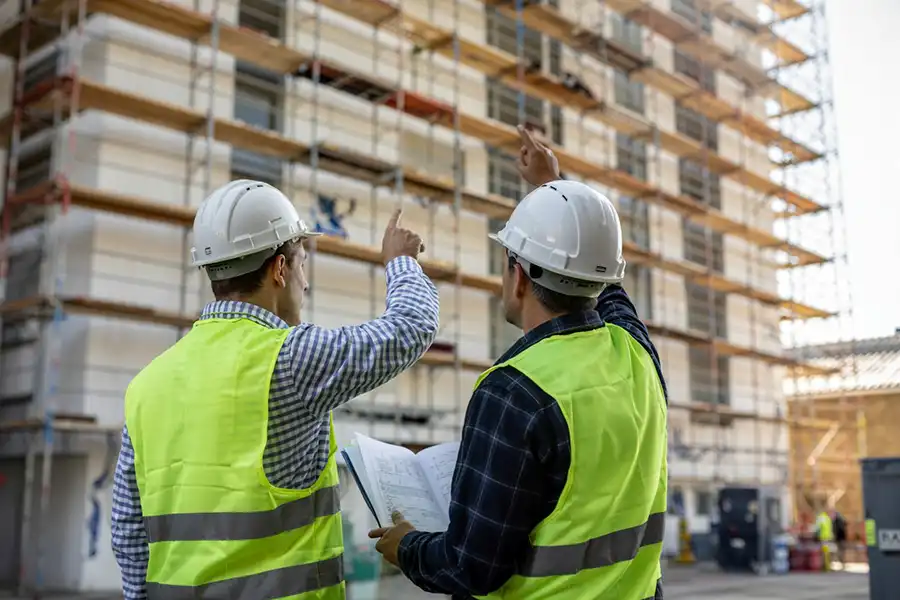
Compliance with these regulations is enforced through inspections and possible fines, making it imperative for construction sites to adhere strictly to OSHA’s standards. Regular training and audits can help maintain compliance and ensure that all safety measures are consistently applied, keeping the site safe for all workers.
Environmental Compliance
The EPA enforces several regulations regarding the disposal of construction debris, particularly materials that can harm the environment. For example, construction debris containing pollutants such as asbestos or lead must be handled and disposed of to prevent environmental contamination. These regulations ensure that harmful substances are not carelessly integrated into landfills or local ecosystems, where they can cause long-term damage.
In New York, additional state-specific environmental laws may tighten these requirements further. Contractors must be aware of and comply with federal and state guidelines to avoid legal repercussions and potential environmental harm. This might involve contracting with certified disposal companies that handle hazardous construction waste.
Adherence to environmental regulations complies with the law and promotes sustainability. Effective waste management practices, such as recycling non-hazardous construction debris and proper segregation and disposal of hazardous waste, can significantly reduce the environmental footprint of construction projects while enhancing community relations and project valuation.
Best Practices for Debris Management
Effective debris management on construction sites is critical for ensuring safety, enhancing efficiency, and complying with legal regulations. Here’s a list of best practices for managing construction debris, each accompanied by a detailed explanation:
- 1. Routine Clean-up Schedules: Following a regular clean-up schedule ensures that debris does not accumulate, reducing tripping hazards and maintaining a tidy workspace. This should include daily assessments and removal of waste materials from work areas, pathways, and exits.
- 2. Proper Segregation of Waste: Different waste materials should be segregated according to their disposal needs. Hazardous materials, recyclables, and general waste should each have separate containers. This not only facilitates recycling and proper disposal but also prevents contamination and mishandling of dangerous debris.
- 3. Use of Appropriate Containers: Debris should be disposed of in containers suitable for the type of waste they hold. Containers should be sturdy, appropriately sized, and clearly labeled to minimize the risk of overfilling and ensure that garbage is easily identifiable.
- 4. Clear Labeling and Signage: Clear and visible labels and signs should indicate what types of waste go into which containers. Signage should also warn of potential hazards from certain types of debris, such as sharp objects or hazardous chemicals.
- 5. Training and Awareness: Workers should be trained in proper debris disposal practices and the potential risks associated with mishandling of construction waste. Regular training sessions can help reinforce the importance of compliance with debris management protocols.
- 6. Safe Handling Procedures: Safe handling procedures should be established, particularly for hazardous waste. This includes wearing appropriate personal protective equipment (PPE), such as gloves and goggles, and following specific protocols for handling, transporting, and disposing hazardous materials.
- 7. Regular Audits and Inspections: Regular audits and inspections of waste management practices help ensure ongoing compliance with safety standards and regulations. These checks can identify areas for improvement and help prevent accidents before they occur.
- 8. Documentation and Record-Keeping: Maintaining detailed records of waste disposal, including dates, types of waste, and how it was handled, is crucial for regulatory compliance and can be essential in the event of an inspection or accident. Documentation should also include records of training sessions and audit results.
- 9. Emergency Preparedness: Plans should be in place for dealing with unexpected situations, such as hazardous material spills. Emergency procedures should include immediate containment and clean-up steps to prevent further hazards.
By implementing these best practices, construction sites can significantly reduce the risks associated with debris and maintain a safer, more efficient, and compliant workplace.
Training and Compliance
Training ensures all workers understand their roles in maintaining a safe work environment. Effective training programs should cover the identification, handling, and disposal of various types of construction debris. They should also emphasize the importance of routine site clean-up and the use of personal protective equipment when handling hazardous materials.
Documentation plays a crucial role in compliance. Construction sites should maintain records of training sessions, daily clean-up logs, and audits of waste management practices. These documents can be invaluable during regulatory authority inspections and can also serve as evidence of compliance in the event of legal issues arising from non-compliance.
Regular audits and inspections of waste management practices facilitate ongoing compliance. These checks help ensure that the construction site continues adhering to established safety standards and regulations, adjusting practices to address any identified deficiencies.
Common Hazards Associated with Poor Debris Management
Poor debris management on construction sites can lead to several hazardous conditions. The most common are tripping, slipping, and falling hazards, which can lead to severe injuries if workers encounter unexpected debris in walkways or work areas. Regular site clean-up reduces these risks by keeping areas clear and safe for movement.
Improper disposal of flammable materials can create serious fire hazards. If not correctly stored and disposed of, the accumulation of wood scraps, flammable liquids, and other combustible materials can increase fire risk, rapidly escalating on a construction site with catastrophic consequences.
Contact the Law Office of Irene H. Gabo, P.C. to Discuss Your Construction Accident Lawsuit
Managing debris on construction sites is critical for compliance with regulations and ensuring the safety and well-being of all site personnel. If you or someone you know has been injured due to poor debris management practices, it is crucial to seek legal advice. At the Law Office of Irene H. Gabo, P.C., our team is experienced in handling construction accident claims and can help you understand your legal options and pursue the compensation you deserve.
Do not hesitate to reach out. Contact us today at (800) 560-0214 to discuss your case, or visit our website to schedule a consultation. Let our experienced construction accident lawyers help you navigate your legal journey and secure the best possible outcome.

Irene H. Gabo is a dedicated personal injury attorney based in Brooklyn, specializing in a wide range of personal injury cases. With over a decade of experience, she has successfully represented thousands of clients who have suffered injuries from motor vehicle accidents, construction incidents, dog bites, and medical malpractice. Known for her expertise and commitment, Ms. Gabo has recovered millions of dollars for her clients, ensuring they receive the justice and compensation they deserve. If you or a loved one has been injured in Brooklyn, reach out to Irene for a free consultation and expert guidance on your personal injury claim.