Legal Obligations of Employers Under New York Law
In New York, employers have specific legal obligations to ensure the safety and well-being of their employees, particularly in construction, where equipment like scaffolding is used daily. Here are three critical legal obligations related to scaffolding safety:
- 1. Regular Inspection: Employers must regularly inspect scaffolding to ensure safety. Trained personnel should conduct inspections to identify potential hazards and assess structural integrity. Inspection frequency depends on the nature of work and environmental conditions.
- 2. Maintenance: Scaffolding requires ongoing maintenance, including proactive repairs and adjustments to ensure safety. All maintenance activities must be documented to comply with safety regulations.
- 3. Timely Replacement of Safety Equipment: Employers must ensure that all safety equipment, such as guardrails, toe boards, and personal fall arrest systems, is available and in good working condition. Any worn-out or damaged equipment must be promptly replaced to avoid potential liabilities in an accident.
These obligations are not just best practices but are enforced under state and federal laws to minimize risks and protect workers from preventable injuries and fatalities. Employers who neglect these duties may face legal consequences, including fines and compensation claims.
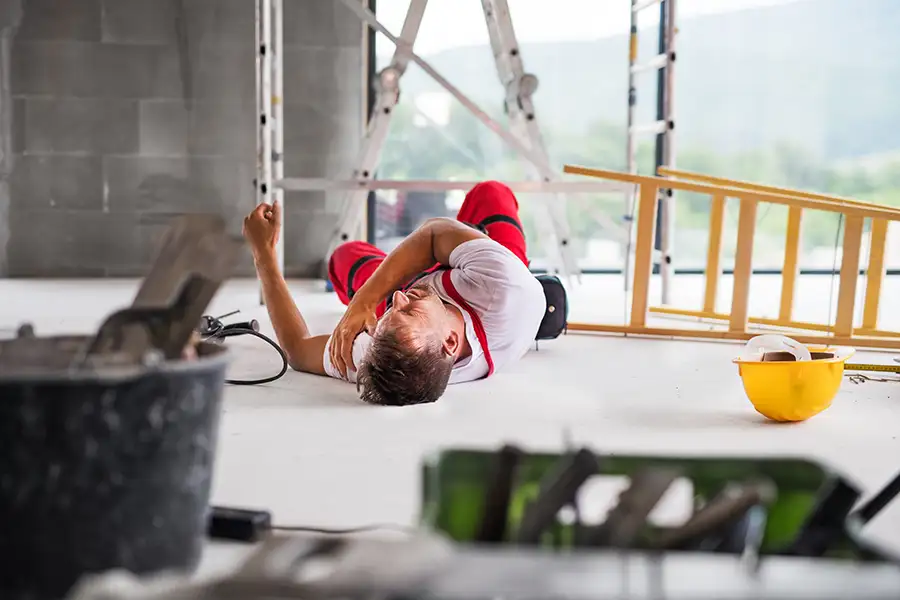
When employers neglect their responsibility to maintain safety equipment, they expose their workers to unnecessary risks. This negligence can lead to severe injuries, which can be grounds for legal action against the employer. Under New York law, employers who fail to provide safe working conditions, including well-maintained safety equipment, can be held liable for any resulting injuries.
Common Types of Safety Equipment That Require Regular Maintenance
Several types of safety equipment are essential on construction sites and other hazardous work environments. Protective gear such as helmets, gloves, and goggles must be in top condition to provide the necessary protection. Over time, this equipment can wear out or become damaged, reducing its effectiveness. Employers must implement a routine maintenance schedule to ensure all protective gear is safe.
Fall protection systems, including harnesses and guardrails, are critical in preventing falls from heights, a leading cause of workplace injuries. These systems must be regularly inspected to ensure they are secure and functioning correctly. Any signs of wear or damage should be addressed immediately to prevent accidents.
In addition to personal protective equipment, machinery and tools used in the workplace must also be adequately maintained. Regular inspections and maintenance are crucial to ensuring these tools operate safely. Employers must also train workers on the correct use of machinery and ensure that any defective equipment is taken out of service until repairs are made.
Signs of Negligence in Safety Equipment Maintenance
Negligence in safety equipment maintenance can often be identified through several warning signs. One clear sign is the need for regular inspections and maintenance schedules. If an employer does not have a consistent routine for checking and maintaining safety equipment, this negligence could lead to dangerous conditions in the workplace.
Another sign of negligence is ignoring or delaying repairs on reported issues. When workers report problems with safety equipment, employers must act swiftly to address these concerns. Delays in repairs or dismissing complaints can result in equipment failures that put workers at risk.
Using outdated or damaged equipment is also a common indication of negligence. Employers are responsible for ensuring all safety equipment is up to current standards and defects-free. Continued use of old, worn-out equipment can lead to preventable accidents and injuries, for which the employer may be liable.
Legal Implications of Employer Negligence
When an employer is negligent in maintaining safety equipment, they can be held legally responsible for any resulting injuries. In New York, employers who fail to provide a safe working environment, including maintaining safety equipment, may face liability under personal injury or workers’ compensation laws. Injured workers can seek compensation for their injuries, medical expenses, and lost wages.
Workers’ compensation is often the first avenue for injured workers to pursue compensation. However, a personal injury lawsuit may also be an option in cases where employer negligence is evident. This legal action can provide additional compensation beyond what workers’ compensation offers, including damages for pain and suffering.
In a personal injury case, proving that the employer’s negligence directly led to the injury is crucial. This requires gathering evidence, such as maintenance records and witness statements, to demonstrate that the employer failed to maintain safe equipment. Our firm can help you navigate this process and build a solid case to ensure you receive the compensation you deserve.
Steps Workers Should Take If Injured Due to Faulty Equipment
If you are injured on the job due to faulty or poorly maintained safety equipment, it is crucial to take immediate action to protect your rights. The first step is to immediately report the injury and defective equipment to your employer. This creates an official incident record, which can be vital if you pursue a legal claim. Remember, swift action is critical in these situations.
Documenting the condition of the equipment is also essential. If possible, take photographs of the faulty equipment and any visible damage. This evidence can be invaluable in proving that the equipment was improperly maintained and directly caused your injury.
Finally, seek legal advice to explore your options for compensation. Our firm can evaluate your case, help you understand your rights under New York law, and guide you through filing a claim. Whether through workers’ compensation or a personal injury lawsuit, we will work to ensure you receive the maximum compensation for your injuries.
Importance of Legal Representation in Negligence Cases
Proving employer negligence in court can be challenging, especially when dealing with large companies with extensive resources. Having experienced legal representation is crucial in these cases. Our firm handles negligence cases like these and can help you gather the necessary evidence, such as maintenance records and witness testimonies, to build a strong case.
Gathering evidence is critical to proving negligence. Our attorneys will work diligently to obtain all relevant documentation, including safety inspection records and reports of prior equipment failures. We will also interview witnesses who can testify about the employer’s negligence and its role in your injury.
Maximizing compensation for your injuries is our top priority. We will negotiate with insurance companies on your behalf and, if necessary, take your case to court to ensure you receive fair compensation. This includes covering your medical expenses and lost wages and compensating you for any pain and suffering caused by your injuries.
Contact the Law Office of Irene H. Gabo, P.C. to Discuss Your Workplace Injury Case
If you have been injured on the job due to employer negligence in maintaining safety equipment, it is crucial to seek legal advice as soon as possible. At the Law Office of Irene H. Gabo, P.C., we are dedicated to helping workers like you navigate the legal process and obtain the compensation they deserve.
Call us today at (800) 560-0214 to speak with an attorney about your case. Experienced lawyers will review your situation, explain your legal options, and guide you through filing a claim. Do not wait-contact us now to schedule a consultation and take the first step toward securing your rights and recovering the compensation you are entitled to receive.

Irene H. Gabo is a dedicated personal injury attorney based in Brooklyn, specializing in a wide range of personal injury cases. With over a decade of experience, she has successfully represented thousands of clients who have suffered injuries from motor vehicle accidents, construction incidents, dog bites, and medical malpractice. Known for her expertise and commitment, Ms. Gabo has recovered millions of dollars for her clients, ensuring they receive the justice and compensation they deserve. If you or a loved one has been injured in Brooklyn, reach out to Irene for a free consultation and expert guidance on your personal injury claim.