Ensuring Accountability: Company Responsibility in Workplace Accidents
In New York, employers have a legal obligation to ensure the safety of their workers. This duty includes providing adequate safety equipment and ensuring workers are adequately trained. When employers fail to meet these obligations, they can be held liable for accidents that occur as a result. The legal framework surrounding this issue is designed to protect workers and hold companies accountable for their negligence.
Legal standards require that all safety equipment meets specific regulatory guidelines. Employers must provide this equipment and ensure that it is used correctly. A failure in either aspect can lead to severe accidents, placing the responsibility squarely on the employer. Workers injured due to inadequate training have the right to seek compensation, highlighting the importance of understanding these legal requirements.
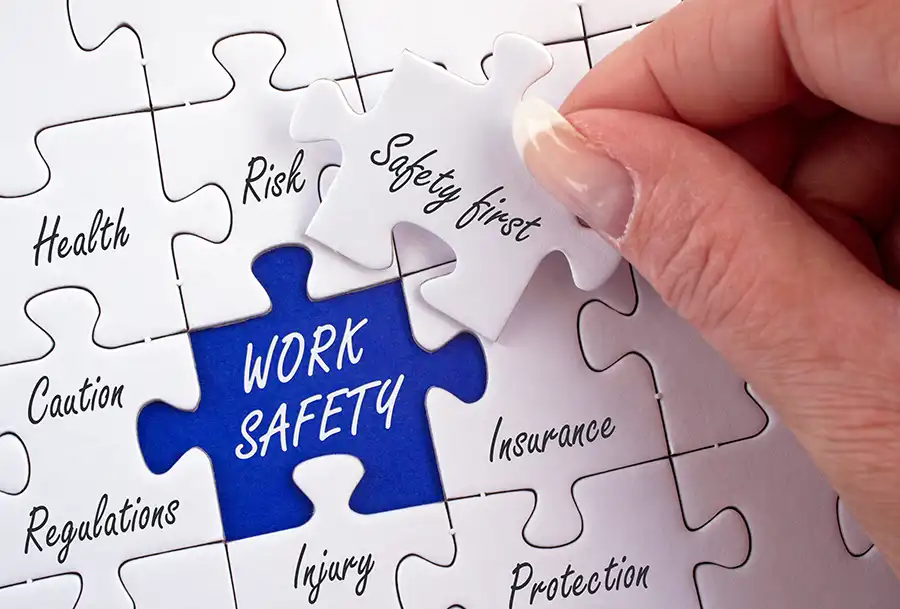
The impact of inadequate safety training cannot be overstated. Accidents resulting from a lack of proper training are common in the construction industry. These incidents often lead to severe injuries, long-term health issues, and, in some cases, fatalities. Understanding the legal implications of such negligence is crucial for anyone working in environments where safety equipment is essential.
Legal Requirements for Safety Equipment Training
OSHA (Occupational Safety and Health Administration) regulations are the cornerstone of workplace safety, especially in the construction industry. These regulations mandate that employers provide the necessary safety equipment and comprehensive training on its proper use. In New York, adherence to these regulations is critical to preventing accidents and ensuring worker safety.
Employers are legally required to conduct training sessions that cover all aspects of safety equipment use. This includes understanding how to operate the equipment, recognizing potential hazards, and knowing the procedures for reporting unsafe conditions. Failure to provide such training can lead to legal consequences, including fines and increased liability in the event of an accident.
Non-compliance with training standards can have severe consequences. When an accident occurs due to inadequate training, the employer may be found liable for any resulting injuries. This liability can cover medical expenses, lost wages, and other damages. It is essential for workers to be aware of their rights and for employers to understand the gravity of their responsibilities.
Common Accidents Resulting from Inadequate Safety Equipment Training
Inadequate safety equipment training is a leading cause of workplace accidents, particularly in the construction industry. Common accidents include falls from heights, machinery-related injuries, and accidents involving hazardous materials. These incidents often occur when workers are not adequately trained in using safety equipment or when equipment is not correctly maintained.
Falls from heights are one of the most frequent accidents in construction. These accidents often result from improper use of fall protection equipment, such as harnesses and guardrails. Without proper training, workers may not know how to secure their equipment correctly, leading to catastrophic injuries or death.
Machinery-related injuries are another significant concern. Workers who operate heavy machinery without adequate training are at a higher risk of accidents. These accidents can result in severe injuries, including amputations, fractures, and even fatalities. The lack of proper training not only endangers the worker but also increases the liability for the employer.
Proving Liability in Accidents Caused by Insufficient Training
Proving liability in cases of insufficient training requires gathering substantial evidence. This evidence may include training records, witness statements, and accident scene documentation. In New York, the injured worker bears the burden of proof, making it crucial to have thorough and accurate documentation.
Examining the employer’s training records is one of the most effective ways to prove inadequate training. These records should detail the type of training provided, the frequency of training sessions, and the qualifications of the trainers. A lack of comprehensive records can strongly indicate negligence, strengthening the worker’s case.
Expert testimony can also play a vital role in establishing liability. Experts in workplace safety can evaluate the training provided and determine if it meets industry standards. If the training is insufficient, the employer could be liable for the resulting injuries. Our firm can assist in securing the necessary expert testimony to support your claim.
Employer Defenses Against Claims of Inadequate Training
Employers may defend themselves against claims of inadequate training by arguing that the worker was at fault or that sufficient training was provided. These defenses often involve blaming the worker for not following procedures or claiming that the worker was aware of the risks and chose to proceed anyway.
Thorough documentation and legal representation are essential to counter these defenses. Documenting every aspect of the training provided, or lack thereof, can undermine the employer’s defense. Additionally, witness statements from other workers can corroborate claims of inadequate training, further strengthening the case.
Our firm is experienced in handling cases where employers attempt to deflect blame onto the injured worker. We understand the tactics and how to build a robust case highlighting the employer’s negligence. By focusing on the facts and presenting clear evidence, we can help you overcome these defenses and secure the compensation you deserve.
Compensation for Injuries Caused by Lack of Training
You may be entitled to compensation if you are injured due to inadequate safety training. Compensation can cover various damages, including medical expenses, lost wages, and pain and suffering. In New York, workers’ compensation may cover some of these costs, but additional compensation may be available through a personal injury claim.
Workers’ compensation is typically the first avenue for recovering damages. However, if the employer’s negligence is severe or a third party is involved, you may be able to pursue a personal injury claim. This type of claim can provide compensation beyond what workers’ compensation offers, including damages for pain and suffering.
Our firm is dedicated to helping injured workers maximize their compensation. We will evaluate your case, determine the best legal strategy, and pursue the total damages you are entitled to. If you have been injured due to inadequate safety training, do not hesitate to contact us to discuss your legal options.
Contact the Law Office of Irene H. Gabo, P.C. to Discuss Your Workplace Accident Case
If you have been injured in a workplace accident due to inadequate safety training, it is crucial to take action immediately. Law Office of Irene H. Gabo, P.C. is here to help you navigate the complexities of New York construction law and fight for the compensation you deserve.
Do not let employer negligence go unchallenged. Contact us today to schedule a consultation and learn how we can assist you in holding your employer accountable. Call (800) 560-0214 to speak with one of our experienced attorneys and take the first step toward securing your future.

Irene H. Gabo is a dedicated personal injury attorney based in Brooklyn, specializing in a wide range of personal injury cases. With over a decade of experience, she has successfully represented thousands of clients who have suffered injuries from motor vehicle accidents, construction incidents, dog bites, and medical malpractice. Known for her expertise and commitment, Ms. Gabo has recovered millions of dollars for her clients, ensuring they receive the justice and compensation they deserve. If you or a loved one has been injured in Brooklyn, reach out to Irene for a free consultation and expert guidance on your personal injury claim.