Inside Brooklyn’s Surrogate Court: How Estate Disputes Are Resolved
Brooklyn’s Surrogate Court plays a crucial role in resolving sensitive legal matters that often follow the loss of a loved one. From probating wills to addressing family disagreements over inheritances, the Surrogate Court ensures that estates are managed according to New York law. But for many families, navigating this system can feel overwhelming – especially when emotions and complex legal rules collide.
This post explains how Brooklyn’s Surrogate Court operates, the most common types of disputes it handles, and how our lawyers at Gabo Law guide clients through the process with care and determination.
The Role of Brooklyn’s Surrogate Court
The Surrogate Court in Brooklyn handles all matters related to estates, wills, and guardianships. Located at 2 Johnson Street, the court has jurisdiction over:
- Probating wills and appointing executors or administrators
- Distributing assets to heirs and beneficiaries
- Resolving disputes involving estate assets
- Appointing guardians for minors and incapacitated adults
Under New York’s Surrogate’s Court Procedure Act (SCPA), these proceedings must adhere to strict procedural and filing requirements. If paperwork is filed incorrectly or deadlines are missed, cases can be delayed – or even dismissed.
Common Types of Disputes in Brooklyn’s Surrogate Court
While many estate cases proceed smoothly, it’s not uncommon for families to disagree over important issues. The most common types of Surrogate Court disputes include:
1. Will Contests
Challenges to the validity of a will often arise when someone believes the document was forged, signed under undue influence, or executed while the deceased lacked mental capacity. For example, a caregiver might be accused of pressuring an elderly person to change their will. Our lawyers help collect medical records, witness testimony, and financial evidence to protect your rights.
2. Executor or Administrator Misconduct
Executors have a fiduciary duty to manage estate assets responsibly. When they fail to account for funds, misuse property, or delay distributions, beneficiaries can file a petition for accounting or removal. Our team ensures transparency and pursues legal remedies when fiduciary breaches occur.
3. Kinship and Inheritance Disputes
In cases without a will, determining who the rightful heirs are can become complicated. Brooklyn’s diverse population often leads to situations involving relatives from other states or countries. Through DNA testing and genealogical proof, the court determines rightful heirs under New York’s Estates, Powers and Trusts Law (EPTL).
The Process of Resolving Cases in Surrogate Court
Surrogate Court matters follow structured procedures, but timelines depend on the type and complexity of the case. Generally, the process includes:
- Filing a petition: Initiates probate or administration proceedings.
- Notification: Interested parties are served notice and given a chance to object.
- Hearing and discovery: The court reviews testimony, documents, and evidence.
- Settlement or trial: Most cases resolve through negotiation, but some proceed to a judicial decision.
At Gabo Law, our lawyers assist with every step – from gathering documentation to preparing for hearings and protecting your interests during negotiations.
How Probate Litigation Differs From Standard Estate Administration
When disputes arise, a simple probate matter can escalate into full litigation. Probate litigation may involve multiple hearings, expert witnesses, and formal discovery similar to civil court. Examples include:
- A son alleging that his father’s second wife coerced changes to the will
- A missing asset dispute involving real estate or offshore bank accounts
- A conflict between siblings over who should serve as administrator
Our Brooklyn lawyers handle these emotionally charged cases with professionalism, ensuring clients’ rights are preserved while seeking practical, cost-efficient resolutions.
Guardianship Proceedings in Brooklyn’s Surrogate Court
Another key function of Surrogate Court involves Article 17 and 17-A guardianships – proceedings that appoint a responsible adult to manage the affairs of a minor or an incapacitated person. Disputes often arise when family members disagree about who should serve as guardian, or when allegations of neglect or misuse of funds surface.
Our team provides guidance for petitioners, respondents, and proposed guardians to ensure compliance with court requirements and the protection of vulnerable individuals.
Timelines, Notice Requirements, and the Importance of Acting Promptly
Like other New York legal proceedings, Surrogate Court cases are subject to strict time limits. For example:
- A Notice of Objection to a will must be filed before the court admits the document to probate.
- Petitions for removal of a fiduciary must be supported by evidence of misconduct or neglect.
- Appeals from Surrogate Court decisions generally must be filed within 30 days of the order.
Missing these deadlines can permanently affect your rights. The lawyers at Gabo Law ensure all filings meet procedural standards and that clients understand their responsibilities at every stage.
Alternative Dispute Resolution in Estate Matters
Not every Surrogate Court case requires litigation. Many families benefit from mediation or negotiated settlements, which can preserve relationships and reduce costs. Our lawyers frequently represent clients in estate mediations, crafting agreements that distribute assets fairly without prolonged courtroom battles.
For example, siblings disputing a deceased parent’s Brooklyn brownstone may agree to sell the property and divide the proceeds, avoiding months of costly litigation.
Why Choose Gabo Law for Brooklyn Surrogate Court Litigation
At Gabo Law, our approach combines legal precision with compassion. We understand that probate and estate disputes are not only legal matters but deeply personal ones. Our lawyers are committed to helping families reach fair outcomes, whether through negotiation or courtroom advocacy. We’ve handled complex probate litigation across Brooklyn’s neighborhoods, from Brooklyn Heights to Flatbush and beyond.
If you’re facing a dispute in Brooklyn’s Surrogate Court, contact our team today to discuss your situation and protect your family’s interests.
Call us today for a free consultation at (800) 560-0214 or complete the contact form to schedule a call.
Frequently Asked Questions About Brooklyn’s Surrogate Court
What types of cases does the Brooklyn Surrogate Court handle?
The court oversees estate administration, probate of wills, guardianships, and disputes over inheritances or fiduciary conduct. It also manages adoptions and conservatorships under New York’s Surrogate’s Court Procedure Act.
How long does it take to resolve a probate case in Brooklyn?
Simple estates can close within six months, but contested cases may take a year or more. Factors such as disputes, missing documents, or international heirs can extend the process.
Can I challenge a will after it’s been probated?
Generally, challenges must be made before probate is finalized. However, under certain conditions, you may file to vacate or modify a decree if new evidence of fraud or undue influence emerges.
What happens if an executor refuses to act?
You can file a petition to compel the executor to account for the estate’s assets or request their removal if they’re mismanaging funds or violating fiduciary duties.
Do I need a lawyer to appear in Surrogate Court?
While individuals can represent themselves, Surrogate Court proceedings involve complex rules and filings. Having experienced counsel ensures your rights are fully protected and deadlines are met.
Can estate disputes be settled without going to court?
Yes. Mediation or negotiated settlements often lead to faster and less adversarial outcomes. Courts encourage resolution when possible to save time and preserve family relationships.
Where is Brooklyn’s Surrogate Court located?
The court is located at 2 Johnson Street, Brooklyn, NY 11201. It’s open to the public during regular business hours and operates under the New York State Unified Court System.
How can I contact Gabo Law for help with a Surrogate Court dispute?
You can reach our lawyers through the contact form or by calling the office to schedule a free consultation. Our team will review your case and guide you through your next steps with care and clarity.
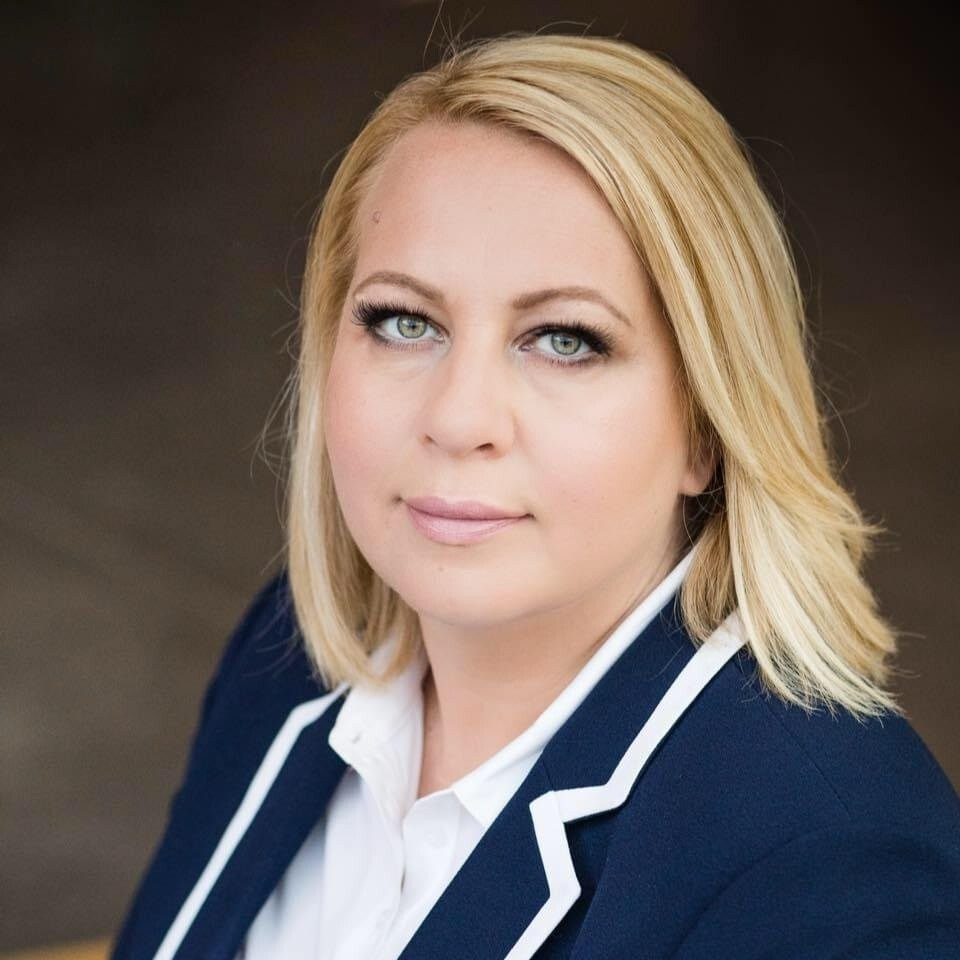
Irene H. Gabo is a dedicated personal injury attorney based in Brooklyn, specializing in a wide range of personal injury cases. With over a decade of experience, she has successfully represented thousands of clients who have suffered injuries from motor vehicle accidents, construction incidents, dog bites, and medical malpractice. Known for her expertise and commitment, Ms. Gabo has recovered millions of dollars for her clients, ensuring they receive the justice and compensation they deserve. If you or a loved one has been injured in Brooklyn, reach out to Irene for a free consultation and expert guidance on your personal injury claim.