Identifying Electrical Hazards on Construction Jobs
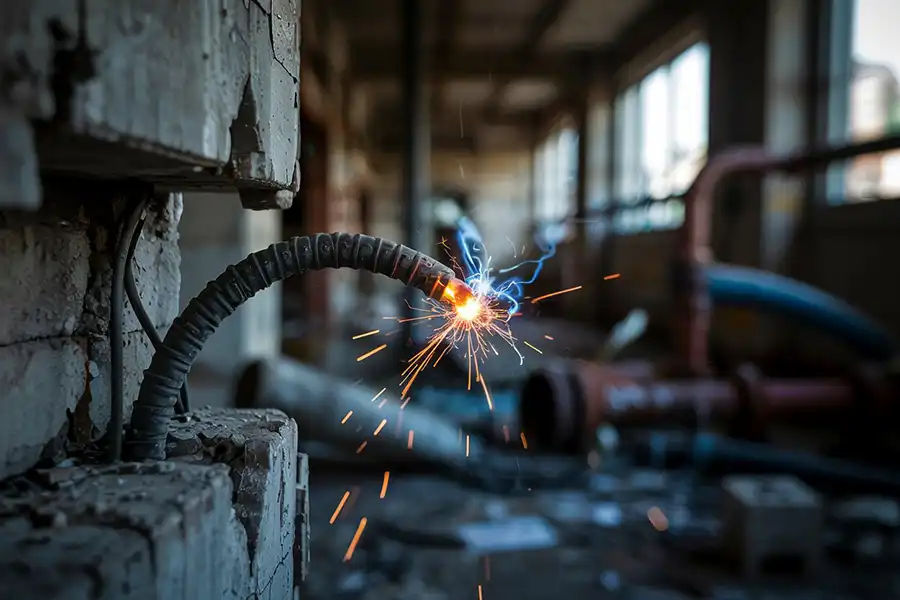
It is crucial on construction sites to identify electrical hazards before they result in injury. Familiar sources of these hazards include exposed wires, unfinished electrical systems, and proximity to power lines. It is essential to recognize signs of potential electrical risks such as frayed cords, unusual buzzing or humming noises from electrical tools or panels, and circuit breakers that frequently trip. These can all indicate underlying issues that require immediate attention to prevent accidents.
Each site should have clear markings and warnings around high-risk areas, and all workers should know where these dangers are most prevalent. Awareness is your first line of defense against electrical injuries. For example, power lines near a construction site should be identified, and work planned to ensure that equipment and personnel remain at a safe distance, as mandated by New York safety regulations.
Water and electricity create a particularly hazardous mix, often found on construction sites. You must be vigilant about using electrical tools near water and ensure that all equipment is suitable for use in damp conditions. Ground-fault circuit interrupters (GFCIs) should be used to protect against shock hazards, especially in wet or unstable environments.
Safety Practices for Electrical Hazard Prevention
Adhere to established safety practices to minimize the risk of electrical accidents. First and foremost, ensure that all electrical tools and machinery are properly grounded or double-insulated. This is a simple yet effective way to reduce the risk of electrical shock. Additionally, using tools and extension cords rated for the job’s power needs can prevent overheating and electrical fires.
Personal Protective Equipment (PPE) is critical in safeguarding workers against electrical hazards. Insulated gloves and boots can provide an essential barrier against electrical shock, mainly when working directly with or near live electrical components. Regular checks and maintenance of PPE are also necessary to ensure their effectiveness.
Organizational safety practices such as lockout/tagout procedures protect workers by ensuring that machinery is properly shut off and not accidentally re-energized during maintenance or construction work. Training all team members on these procedures can prevent severe injuries and save lives, emphasizing the need for strict adherence to safety protocols.
Legal Regulations and Standards
In New York, strict regulations govern electrical safety on construction sites. The Occupational Safety and Health Administration (OSHA) sets forth guidelines that include installing and maintaining electrical systems. New York’s specific safety codes further mandate using protective measures and safety equipment that meet or exceed federal standards.
Employers are required by law to provide workers with a safe working environment free from recognized hazards, including electrical risks. This includes conducting regular risk assessments and implementing appropriate safety measures based on the findings. Failure to comply with these regulations can lead to hefty fines and increased liability in the event of worker injuries.
Understanding these regulations can empower you to ensure your safety and hold your employer accountable. Should you encounter non-compliance or witness unsafe practices, it is within your rights to report these to your supervisor or directly to OSHA without fear of retaliation.
Emergency Response to Electrical Accidents
If an electrical accident occurs, knowing how to respond can significantly affect the outcome. Immediate steps include disconnecting the power source, if safely possible, and calling for medical help. Administering first aid for electrical burns and shocks should only be done by someone trained in dealing with such injuries, as improper handling can worsen the situation.
Reporting and documenting the incident thoroughly are essential for receiving appropriate medical care and legal purposes. Detailed records can support workers’ compensation claims or further legal action if negligence played a role in the accident. Documentation should include details of the hazard, how the accident occurred, and the actions taken in response.
Employers should have an emergency plan that includes training workers on dealing with electrical injuries and the immediate steps to take following an accident. This plan should be regularly reviewed and practiced to ensure everyone is prepared in an emergency.
Training and Education for Workers
Continuous training and education on electrical safety are paramount for preventing accidents. Regular safety training sessions help keep safety knowledge fresh and ensure all workers know the latest safety practices and regulatory requirements. These sessions should cover risk identification, the correct use of safety equipment, emergency procedures, and legal rights.
Certification programs in electrical safety can provide a deeper level of understanding and are often recommended for workers who frequently interact with electrical systems. These programs also demonstrate an employer’s commitment to safety and can be instrumental in cultivating a culture of safety within the organization.
Encouraging ongoing education and maintaining open communication about electrical safety can significantly reduce the likelihood of accidents. Workers should feel empowered to speak up about potential hazards and participate in safety discussions without fear of reprisal.
Contact the Law Office of Irene H. Gabo, P.C. to Discuss Your Electrical Injury Lawsuit
If you have suffered from an electrical accident on a construction site, it is crucial to understand your legal options. Our attorneys at the Law Office of Irene H. Gabo, P.C. focus on construction accident claims and are here to help you navigate the complexities of your case. We are committed to advocating for your rights and ensuring you receive the compensation you deserve for any injuries sustained.
Do not hesitate to seek legal advice. Call us today at (800) 560-0214 to speak with an experienced attorney, or visit our website to submit a consultation request. Let us help you secure the justice and compensation you are entitled to by law.

Irene H. Gabo is a dedicated personal injury attorney based in Brooklyn, specializing in a wide range of personal injury cases. With over a decade of experience, she has successfully represented thousands of clients who have suffered injuries from motor vehicle accidents, construction incidents, dog bites, and medical malpractice. Known for her expertise and commitment, Ms. Gabo has recovered millions of dollars for her clients, ensuring they receive the justice and compensation they deserve. If you or a loved one has been injured in Brooklyn, reach out to Irene for a free consultation and expert guidance on your personal injury claim.