Trip and Fall Hazards Associated with the Dyker Heights Christmas Light Display
The Dyker Heights Christmas Lights display is a celebrated holiday attraction in New York, drawing thousands of visitors annually. As one of the most popular seasonal displays, the area is known for its large crowds and elaborate decorations. While the lights create a festive atmosphere, the crowds, and seasonal hazards also present risks for trip and fall accidents, particularly for those navigating the area at night or in cold weather.
Common causes of trip and fall accidents in this area include uneven sidewalks, obstructive decorations, and poor lighting. With increased pedestrian traffic during the holiday season, injuries can occur when people trip on cracked sidewalks or slip on icy patches. Understanding the unique risks associated with these public display areas can help visitors stay safe and take action if they’re injured due to hazardous conditions.
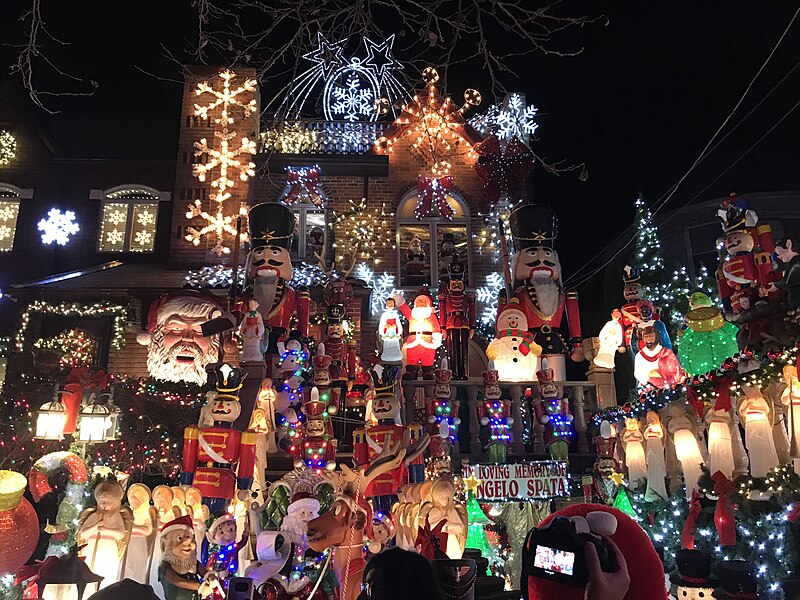
Image from Wikimedia.org
If you have suffered a trip and fall injury in Dyker Heights during the holiday season, you may have a right to pursue compensation for medical expenses, lost income, and other damages. Knowing your rights is essential, and this guide covers the critical steps to take and the legal rights available to injury victims.
Causes of Trip and Fall Accidents in Crowded Holiday Displays
The popularity of the Dyker Heights Christmas Lights attracts significant crowds, and this increase in foot traffic can create specific hazards. Some of the primary causes of trip and fall accidents in crowded holiday display areas include:
- Uneven sidewalks: Cracked or uneven pavement can become hidden among decorations or underfoot traffic, leading to trips and falls.
- Poor lighting: Although the Christmas lights illuminate certain areas, parts of the walkway can remain poorly lit, making it difficult to see hazards.
- Decorative obstacles: Seasonal displays often include inflatables, light stands, and extension cords that create tripping hazards if placed near walkways.
- Weather-related risks: Ice, snow, or rain can create slippery surfaces, particularly on untreated walkways during the winter months.
Each of these conditions can increase the chances of a trip and fall accident. Visitors should exercise caution and be mindful of their surroundings to avoid these common hazards, but ultimately, property owners and event organizers are responsible for maintaining safe conditions.
Injuries Sustained in Trip and Fall Accidents
Injuries from trip and fall accidents can vary widely, from minor scrapes and bruises to more severe injuries that impact a person’s ability to work or perform daily activities. Common injuries sustained in these accidents include:
For example, fractures and sprains are among the most common outcomes, particularly for falls that occur on hard surfaces. Wrist, ankle, and hip fractures can result in extended recovery times, impacting mobility and quality of life. Head injuries, including concussions, can also occur if a person strikes their head on the ground or an object, potentially leading to cognitive issues that require long-term care.
More serious injuries, such as spinal cord damage or severe joint injuries, can lead to chronic pain and permanent disability. For some individuals, these injuries result in prolonged medical treatment, physical therapy, or modifications to daily routines. Victims facing such long-term consequences may be eligible for compensation to cover these extensive damages, making it crucial to take legal action if negligence is involved.
Premises Liability in Public Display Areas in New York
Under New York’s premises liability laws, property owners and event organizers must ensure their properties are safe for visitors, particularly in high-traffic public display areas like the Dyker Heights Christmas Lights. Premises liability is the legal principle that holds property owners accountable when hazardous conditions on their property cause injury to lawful visitors.
Regarding trip and fall accidents during holiday events, property owners, organizers, or even the City of New York may be responsible if they fail to maintain a safe environment. This includes addressing known hazards such as broken sidewalks, unsecured decorations, or slippery pathways due to weather. Owners or managers of public displays are expected to regularly inspect their premises and promptly address safety issues, especially with high pedestrian volumes.
While proving premises liability can be straightforward in cases of apparent negligence, the festive and temporary nature of the Dyker Heights displays may complicate liability determinations. Experienced legal representation is often essential to navigate these complexities and ensure victims’ rights are protected under New York law.
Identifying Liability for Trip and Fall Accidents in Dyker Heights
Establishing liability for a trip and fall accident at the Dyker Heights Christmas Lights display requires determining who was responsible for the hazardous condition. Possible liable parties may include private property owners, event organizers, or even municipal entities like the City of New York, depending on where the incident occurred and who controls the area.
For example, if a trip and fall accident occurs on a cracked public sidewalk, the city may be responsible if they fail to repair known damage. On the other hand, if a privately owned property has decorations obstructing a walkway, the owner may be liable for failing to keep the area safe. Liability can also extend to event organizers if they address foreseeable hazards or if crowd control measures need to be improved.
Gathering evidence is crucial to determining liability. This evidence may include photographs of the accident scene, maintenance records, witness statements, and expert testimony on the safety standards for public events. These elements help establish that a party was negligent in maintaining a safe environment, which is essential in pursuing a successful claim.
Filing a Notice of Claim Against Public Entities for Holiday Display Injuries
Victims must follow specific procedures to pursue a claim if a trip and fall accident occurs on property managed by a public entity, such as a city-owned sidewalk near the Dyker Heights Christmas Lights display. In New York, filing a Notice of Claim is required when seeking compensation from a public entity like the City of New York. This notice alerts the city to the injury and allows them to investigate.
The Notice of Claim must be filed within 90 days of the accident. This document must detail the location, time, and cause of the injury, along with an account of the damages suffered. Missing this deadline could jeopardize the victim’s ability to recover compensation, so filing promptly is essential.
For those who have sustained serious injuries and are dealing with recovery, completing the Notice of Claim process can be challenging. Working with a knowledgeable attorney ensures that all necessary details are included and deadlines are met, allowing the claim to proceed without complications.
Statute of Limitations for Trip and Fall Claims in New York
New York enforces a statute of limitations on personal injury claims, including those resulting from trip and fall accidents. Generally, victims have three years from the date of injury to file a lawsuit. However, when a public entity, such as the City of New York, is involved, different timelines apply, making it essential to act swiftly.
For cases involving public property or events organized by the city, a Notice of Claim must be filed within 90 days, as mentioned, and a lawsuit must be initiated within one year and 90 days from the accident. Missing these deadlines can mean forfeiting the right to pursue compensation, even in serious injury cases. These strict time limits emphasize the importance of early legal guidance to ensure all necessary steps are taken on time.
Failing to adhere to these time-sensitive procedures may bar a claim, regardless of the injury’s severity. To protect your rights and maintain eligibility for compensation, it’s essential to consult with an attorney as soon as possible to navigate these complex timelines.
Proving Negligence in a Trip and Fall Case
Proving negligence is key in any trip and fall case. To win a claim, victims must demonstrate that the property owner or responsible party failed to uphold a duty of care, leading to unsafe conditions that directly caused the injury. On the busy sidewalks and streets of Dyker Heights, this might involve proving that the responsible party was aware of a hazard, such as a broken sidewalk or obstructive holiday decorations, but did not address it.
Evidence is critical in proving negligence. Victims can strengthen their case by taking photos of the hazard immediately after the accident, securing witness statements, and collecting medical records documenting injuries. Maintenance records and inspection logs can also be valuable in showing that unsafe conditions were neglected when dealing with public display areas.
In some cases, expert testimony may be beneficial. A safety expert can explain to the court or insurance adjuster how standard safety protocols were breached, underscoring the property owner’s responsibility in preventing such incidents. With solid evidence, victims increase their chances of proving negligence and securing compensation for their injuries.
Types of Damages Recoverable in a Trip and Fall Claim
Trip and fall victims may be eligible for various types of compensation, depending on the severity and impact of their injuries. Typical damages include:
- Medical expenses: Coverage for hospital bills, ongoing treatment, medications, and physical therapy.
- Lost wages: Compensation for income lost due to the injury and, in severe cases, diminished future earning capacity.
- Pain and suffering: Monetary relief for physical pain and emotional distress experienced as a result of the accident.
In cases involving serious injuries, such as fractures or head trauma, damages may also cover long-term treatment costs and any necessary lifestyle adjustments. New York applies contributory negligence rules, meaning that if a victim is partially responsible for their fall (e.g., they ignored a warning sign), their compensation may be reduced proportionally. An attorney can help evaluate and maximize the potential damages recoverable in your claim.
Steps to Take After a Trip and Fall Accident at Dyker Heights Christmas Lights
Taking immediate steps following a trip and fall accident at the Dyker Heights Christmas Lights display can help protect your health and strengthen any potential claim. First and foremost, seek medical attention promptly. Even if injuries appear minor, it is essential to have them documented, as some injuries, like concussions or soft tissue damage, may not show immediate symptoms but could worsen over time.
Once medical needs are addressed, gather evidence at the scene if possible. Take photographs of the hazard that caused your fall, such as an uneven surface, decorations, or poorly lit areas. Capturing images of the surrounding environment, especially if it is crowded or poorly marked, can provide important context for your case. Gather their contact information and a brief statement if there are any witnesses, as their accounts can substantiate your claim.
Finally, consult with an attorney experienced in New York trip and fall cases. An attorney can help guide you through the complex process of filing a claim, including adhering to strict deadlines, identifying liable parties, and gathering crucial evidence. Prompt legal guidance can make a significant difference in ensuring your rights are protected and maximizing potential compensation.
The Law Office of Irene H. Gabo, P.C. Can Help with a Trip and Fall Case in Dyker Heights
Trip and fall accidents in high-traffic areas like the Dyker Heights Christmas Lights display often involve unique challenges, from crowded conditions and seasonal hazards to complex liability questions. At the Law Office of Irene H. Gabo, P.C., we understand the specific legal nuances of these cases and are prepared to help you navigate the process. Our firm has experience handling trip and fall claims that involve public property, holiday events, and temporary displays, allowing us to anticipate potential complications and advocate effectively on your behalf.
Our attorneys can assist with filing the necessary Notice of Claim if public entities are involved, gathering compelling evidence, and ensuring all legal procedures are followed to preserve your rights. We are committed to building a solid case for our clients, seeking the compensation they deserve for medical expenses, lost income, pain, and suffering.
If you or a loved one has been injured in a trip and fall accident at the Dyker Heights Christmas Lights, Contact the Law Office of Irene H. Gabo, P.C. today. Our team is here to help you understand your legal options and pursue a fair resolution to your case. Call us at (800) 560-0214 or complete our online contact form for a consultation.

Irene H. Gabo is a dedicated personal injury attorney based in Brooklyn, specializing in a wide range of personal injury cases. With over a decade of experience, she has successfully represented thousands of clients who have suffered injuries from motor vehicle accidents, construction incidents, dog bites, and medical malpractice. Known for her expertise and commitment, Ms. Gabo has recovered millions of dollars for her clients, ensuring they receive the justice and compensation they deserve. If you or a loved one has been injured in Brooklyn, reach out to Irene for a free consultation and expert guidance on your personal injury claim.