Trip and Fall Accidents in the New York Transit Museum
The New York Transit Museum, located in a historic decommissioned subway station, offers a unique glimpse into New York’s public transit history through exhibits and displays of vintage subway cars, buses, and artifacts. While the museum is an exciting destination for visitors of all ages, it presents certain trip and fall risks due to its design, crowded spaces, and uneven surfaces. Visitors may encounter hazards like dimly lit stairways, raised platform areas, and narrow walkways throughout the museum.
As a public museum, the New York Transit Museum must keep its premises safe and free from hazards that could cause injuries. However, accidents still happen, often due to conditions that could have been prevented. Understanding your rights and the steps to take if you are injured in a trip and fall accident at the museum can help you pursue compensation and navigate the legal process.
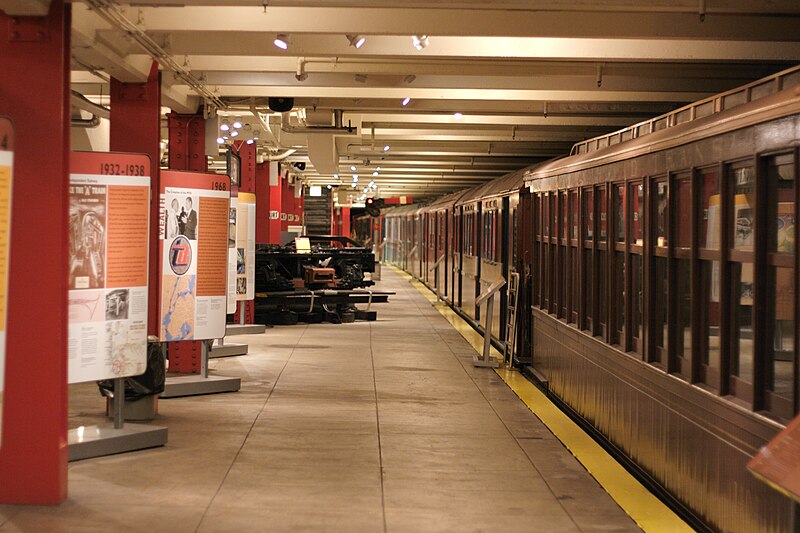
Image from Wikimedia.org
Causes of Trip and Fall Accidents in Museums
Museums are typically designed to showcase artifacts and exhibits, but they often feature unique layouts, dim lighting, and design elements that may pose hazards. In the New York Transit Museum, common causes of trip and fall accidents include:
- Uneven or raised flooring: The museum’s vintage subway platforms and historical setup may have raised or uneven surfaces that can catch visitors off guard.
- Dim lighting: To enhance the experience of certain exhibits, lighting may be subdued, making it difficult to see potential tripping hazards in stairways or exhibit areas.
- Wet or slippery surfaces: In areas where spills or tracked-in water from rainy weather occur, slippery surfaces can increase the risk of falls.
- Narrow walkways: The confined space of the museum’s platform areas can create crowding, which may lead to trip and fall incidents, especially during peak visiting hours.
While museums may be designed for aesthetic and historical preservation, public spaces like the New York Transit Museum are still responsible for regularly inspecting their premises and addressing unsafe conditions. Injured visitors may have grounds to pursue a claim under New York’s premises liability laws when they fail to do so.
Types of Injuries Sustained in Museum Trip and Fall Accidents
Trip and fall accidents can result in various injuries, from minor bruises to severe trauma that necessitates long-term medical care. Common injuries due to trip and fall incidents in museums include:
- Fractures and sprains: Falls onto hard surfaces, such as tile or concrete floors, can result in broken bones or sprained ankles, wrists, or hips.
- Head injuries: Concussions and other head injuries may occur if a person hits their head during a fall, which can have lasting cognitive and physical effects.
- Back and spinal injuries: A trip and fall incident can result in injuries to the back or spine, causing chronic pain, reduced mobility, or even permanent disability in severe cases.
These injuries can affect a victim’s ability to work, perform daily tasks, and enjoy life, often leading to significant medical expenses and lost income. If the museum’s negligence contributed to the unsafe conditions, injured individuals may be entitled to seek compensation for these losses.
Premises Liability in Public Museums
Under New York’s premises liability laws, public museums like the New York Transit Museum have a legal duty to maintain safe conditions for all visitors. This duty of care includes regular inspections, addressing known hazards, and ensuring that walkways, exhibit areas, and stairways are well-lit and free of obstacles. If the museum fails to fulfill this responsibility, they may be liable for injuries resulting from unsafe conditions.
In the case of the New York Transit Museum, unique design elements, such as historical artifacts and subway platforms, can increase the risk of accidents. While these features enhance the visitor experience, they also require extra attention to ensure visitor safety. Failing to take reasonable steps to prevent hazards, such as wet floors or dimly lit stairwells, can create dangerous conditions for museum-goers.
Proving liability in a public museum setting can be challenging, particularly given the nature of historical exhibits and unique architectural features. Consulting with an experienced premises liability attorney can help injured parties understand their rights and determine whether they have a valid claim against the museum.
Determining Liability in a Trip and Fall Accident at the New York Transit Museum
To establish liability in a trip and fall case at the New York Transit Museum, the injured party must identify the responsible parties and show that they failed to maintain safe conditions. Potentially liable entities may include museum management, maintenance staff, or third-party contractors responsible for exhibit installations or cleaning.
Evidence is essential in proving negligence. Photographs of the accident scene, especially showing hazards like uneven floors, wet areas, or inadequate lighting, can be powerful evidence. Witness statements, maintenance logs, and incident reports may also demonstrate whether the museum conducted regular inspections and responded to known hazards appropriately.
An attorney can help obtain and organize this evidence, making it easier to show that the museum’s negligence directly caused the injury. By establishing a clear link between the hazardous condition and the accident, injured individuals can improve their chances of a successful claim for compensation.
Filing a Notice of Claim for Injuries in New York Museums
If the New York Transit Museum is operated by a public entity, filing a Notice of Claim is required to pursue legal action. Under New York law, injured parties must file the Notice of Claim within 90 days of the accident, detailing the incident, location, injuries, and any medical treatment received. This step is essential, as you must file within 90 days to avoid taking further legal action against the museum.
For a well-prepared Notice of Claim, including accurate information about the incident and any supporting evidence, such as photos or witness contact information, is crucial. Consulting with an attorney helps ensure that all details are properly documented and submitted on time, preserving your right to seek compensation for injuries sustained.
Statute of Limitations for Trip and Fall Claims in New York
In New York, trip and fall cases involving public property, such as the New York Transit Museum, have specific filing deadlines. After submitting the Notice of Claim within the required 90-day period, the injured party generally has one year and 90 days from the accident date to file a lawsuit. You must complete this deadline to seek compensation, regardless of the severity of your injuries.
Acting promptly allows time to gather important evidence and obtain witness statements while memories are fresh. Consulting with an attorney soon after the accident ensures all deadlines, including the statute of limitations, are met. Timely action also helps build a stronger case by preserving the evidence to prove negligence and the resulting damages.
Proving Negligence in a Museum Trip and Fall Case
To successfully pursue a trip and fall claim, the injured party must demonstrate that the New York Transit Museum was negligent. This requires proving four key elements: duty of care, breach of duty, causation, and damages. As a public venue, the museum must keep its premises safe, including inspecting exhibits, walkways, and stairwells and addressing known hazards.
Evidence is critical in proving negligence. Photographs of the hazard that caused the fall, witness statements, and medical records documenting the injuries are essential for building a solid case. For instance, if the museum failed to place caution signs around a wet area, this oversight could support a claim of negligence if it contributed to the fall.
Expert testimony may also help explain safety standards and how the museum’s practices fell short of these expectations. By working with an attorney, injured individuals can collect the necessary evidence to demonstrate that the museum’s negligence directly led to their injuries.
Categories of Damages Claimable in a Trip and Fall Case
In a successful trip and fall claim, victims may recover several damages based on their injuries’ severity and impact on their lives. Common types of compensation include:
- Medical expenses: Coverage for costs related to emergency care, surgeries, medications, and any ongoing physical therapy.
- Lost income: Compensation for wages lost due to time away from work, as well as potential future lost earnings if the injury affects long-term employment prospects.
- Pain and suffering: Damages for physical pain, emotional distress, and any reduction in quality of life caused by the injury.
In cases involving severe or lasting injuries, additional compensation may be awarded for long-term care, necessary assistive devices, or home modifications. New York’s contributory negligence rule may impact the total compensation if the injured party is found partially responsible for the accident. An attorney can help assess potential damages and work to maximize the recovery available in your case.
Actions to Take After a Trip and Fall Incident at the New York Transit Museum
After a trip and fall accident at the New York Transit Museum, taking specific steps promptly can help protect your health and support a potential legal claim. Here are key actions to consider:
1. Seek Immediate Medical Attention: Your health is the top priority. Even if your injuries appear minor, see a healthcare provider immediately. Some injuries, like concussions or soft tissue damage, may not show symptoms immediately but could worsen over time. Medical documentation also provides valuable evidence if you decide to pursue a claim.
2. Report the Accident: Notify museum staff or management about your accident. Ask if an incident report can be completed, which records important details like the accident’s time, location, and circumstances. Request a copy of this report, as it can support your claim.
3. Gather Evidence: Take photos or videos of the accident scene, capturing hazards such as uneven flooring, poor lighting, or wet areas. Collect contact information from any witnesses who saw the incident or can confirm the unsafe condition that led to your fall.
4. Consult an Attorney: Working with a lawyer experienced in premises liability and public museum cases can help protect your rights. An attorney can guide you through filing a Notice of Claim, gather critical evidence, and ensure compliance with all deadlines, giving you the best chance at a successful claim.
These steps preserve evidence and strengthen your claim for compensation for medical bills, lost wages, and related damages.
How Law Office of Irene H. Gabo, P.C. Can Assist with Your Trip and Fall Case in the New York Transit Museum
Trip and fall cases in public museums like the New York Transit Museum often involve navigating complex legal requirements and strict filing deadlines. At the Law Office of Irene H. Gabo, P.C., our attorneys have extensive experience handling claims related to public attractions, city properties, and government-run facilities, helping clients pursue fair compensation for their injuries.
Our team assists with every aspect of your case, from filing a Notice of Claim on time to gathering essential evidence and representing you in negotiations or court if necessary. We are dedicated to protecting your rights and working toward the best possible outcome, allowing you to focus on recovery.
If you or a loved one has been injured in a trip and fall accident at the New York Transit Museum, Contact the Law Office of Irene H. Gabo, P.C. today at (800) 560-0214 or complete our online form to schedule a consultation. Our attorneys help you understand your options and pursue the compensation you deserve.

Irene H. Gabo is a dedicated personal injury attorney based in Brooklyn, specializing in a wide range of personal injury cases. With over a decade of experience, she has successfully represented thousands of clients who have suffered injuries from motor vehicle accidents, construction incidents, dog bites, and medical malpractice. Known for her expertise and commitment, Ms. Gabo has recovered millions of dollars for her clients, ensuring they receive the justice and compensation they deserve. If you or a loved one has been injured in Brooklyn, reach out to Irene for a free consultation and expert guidance on your personal injury claim.