Historical Landmarks in Home Crest
Homecrest, located in the southern part of Brooklyn, NYC, is a neighborhood rich in cultural diversity and historical significance. Though it may not boast as many renowned landmarks as some of its neighboring areas, Homecrest offers several notable sites that reflect its deep-rooted history and community spirit. These landmarks include St. Edmund’s Church, Edward R. Murrow High School, Homecrest Presbyterian Church, and the Kings Highway Library. Each of these institutions plays a vital role in the neighborhood’s identity, contributing to its unique character and charm.
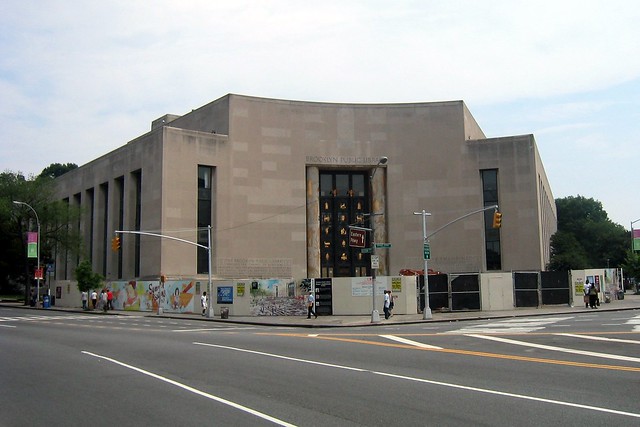
Image from Wally Gobetz (Flickr)
St. Edmund’s Church
St. Edmund’s Church, established in 1910, stands as a beacon of faith and architectural beauty in Homecrest. This Roman Catholic parish was founded to serve the growing Catholic community in the area, which had been expanding rapidly in the early 20th century. The church’s Gothic Revival architecture, characterized by its pointed arches, intricate stone carvings, and stunning stained-glass windows, is a testament to the craftsmanship of the era. The interior of St. Edmund’s Church is equally impressive, featuring a high vaulted ceiling, elegant woodwork, and detailed religious iconography. The stained-glass windows, which depict various biblical scenes and saints, are particularly noteworthy for their vibrant colors and intricate designs. These artistic elements not only enhance the spiritual atmosphere of the church but also highlight its historical and cultural significance.
St. Edmund’s Church has been a cornerstone of the Homecrest community for over a century, offering a wide range of religious services, community programs, and educational activities. The church hosts regular Masses, religious education classes, and sacramental celebrations such as baptisms, weddings, and confirmations. Additionally, St. Edmund’s is involved in various charitable initiatives, supporting local families in need and fostering a strong sense of community among its parishioners. The enduring presence of St. Edmund’s Church in Homecrest reflects the neighborhood’s rich cultural heritage and the deep-rooted faith of its residents. It remains a place of worship, community gathering, and historical significance, embodying the spirit and resilience of Homecrest.
Edward R. Murrow High School
Edward R. Murrow High School, named after the legendary broadcast journalist, is a prominent educational institution in Homecrest. Established in 1974, the school quickly gained a reputation for its innovative approach to education and its commitment to academic excellence. It serves a diverse student body, drawing pupils from various cultural and socio-economic backgrounds, and is known for its strong arts programs, particularly in theater and music. The school’s architecture is modern, reflecting the design trends of the 1970s, with spacious classrooms, well-equipped laboratories, and extensive arts facilities. The Edward R. Murrow High School campus includes an auditorium, a theater workshop, and music rehearsal spaces, underscoring its focus on the performing arts. These facilities provide students with ample opportunities to explore and develop their creative talents.
Edward R. Murrow High School has produced numerous notable alumni who have gone on to achieve success in various fields, particularly in the arts and entertainment industries. The school’s emphasis on fostering creativity and critical thinking has made it a standout institution within the New York City public school system. Beyond its academic achievements, Edward R. Murrow High School plays a significant role in the Homecrest community. It hosts a variety of community events, including performances, exhibitions, and educational workshops, which are open to the public. The school’s commitment to community engagement and its role as a cultural hub make it an important landmark in Homecrest.
Homecrest Presbyterian Church
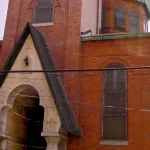
Homecrest Presbyterian Church, founded in 1893, is one of the oldest religious institutions in the neighborhood. This church has been a vital part of the community for well over a century, offering a place of worship, fellowship, and service. The church building, constructed in the early 20th century, is an example of traditional ecclesiastical architecture, featuring a stately brick exterior, large stained-glass windows, and a welcoming entrance. The interior of Homecrest Presbyterian Church is warm and inviting, with wooden pews, a simple yet elegant altar, and beautiful stained-glass windows that bathe the sanctuary in colorful light. These windows depict various biblical scenes and symbols, adding to the spiritual ambiance of the church.
Homecrest Presbyterian Church has a long history of community involvement and outreach. It offers a range of services and programs designed to meet the needs of its diverse congregation. These include regular Sunday worship services, Bible study groups, youth programs, and community service initiatives. The church is also known for its charitable activities, providing support to local families in need and partnering with other organizations to address broader social issues. The church’s commitment to serving the Homecrest community extends beyond its religious activities. It hosts various cultural and educational events, including concerts, lectures, and social gatherings, which bring together residents from different backgrounds. This emphasis on community building and inclusivity makes Homecrest Presbyterian Church a cornerstone of the neighborhood.
Kings Highway Library (Brooklyn Public Library)
The Kings Highway Library, part of the Brooklyn Public Library system, is a significant cultural and educational landmark in Homecrest. Opened in 1954, this library has been serving the community for decades, providing access to a vast collection of books, periodicals, and digital resources. The library’s mid-century modern architecture, with its clean lines and functional design, reflects the architectural trends of the time. Inside, the Kings Highway Library offers a welcoming and well-organized space for patrons of all ages. The library features separate sections for children, teens, and adults, each stocked with materials tailored to their interests and needs. The children’s section is particularly inviting, with colorful decor, comfortable seating, and a wide selection of books and educational games.
The library also offers a range of programs and services designed to support lifelong learning and community engagement. These include literacy programs, computer and technology workshops, cultural events, and educational classes. The Kings Highway Library serves as a vital resource for students, families, and individuals seeking to improve their skills and knowledge. One of the library’s most significant contributions to the community is its role in supporting immigrants and non-English speakers. The Kings Highway Library offers English language classes, citizenship workshops, and resources in multiple languages, helping newcomers to the area integrate and thrive. The Kings Highway Library is more than just a place to borrow books; it is a community hub where residents can connect, learn, and grow. Its commitment to education, cultural enrichment, and community service makes it an indispensable part of the Homecrest neighborhood.
Conclusion
Homecrest, NYC, may not have the same level of historical notoriety as some of its neighboring areas, but it is home to several important landmarks that reflect its rich cultural and architectural heritage. St. Edmund’s Church, with its stunning Gothic Revival architecture and deep community roots, Edward R. Murrow High School, known for its academic excellence and vibrant arts programs, Homecrest Presbyterian Church, a longstanding institution of faith and service, and the Kings Highway Library, a vital resource for education and community engagement, all contribute to the unique character and history of Homecrest. These landmarks are not just buildings; they are the heart and soul of the neighborhood, embodying its spirit, resilience, and diversity.