Historical Landmarks in East New York
East New York, a neighborhood in the eastern section of Brooklyn, NYC, is a place of rich historical and cultural significance. Established in the 19th century, it has grown and evolved, shaped by waves of immigrants and changing social landscapes. Despite facing many challenges over the years, East New York remains a community with deep-rooted traditions and landmarks that tell the story of its past. One such landmark is the Holy Trinity Russian Orthodox Church, a beacon of faith and history.
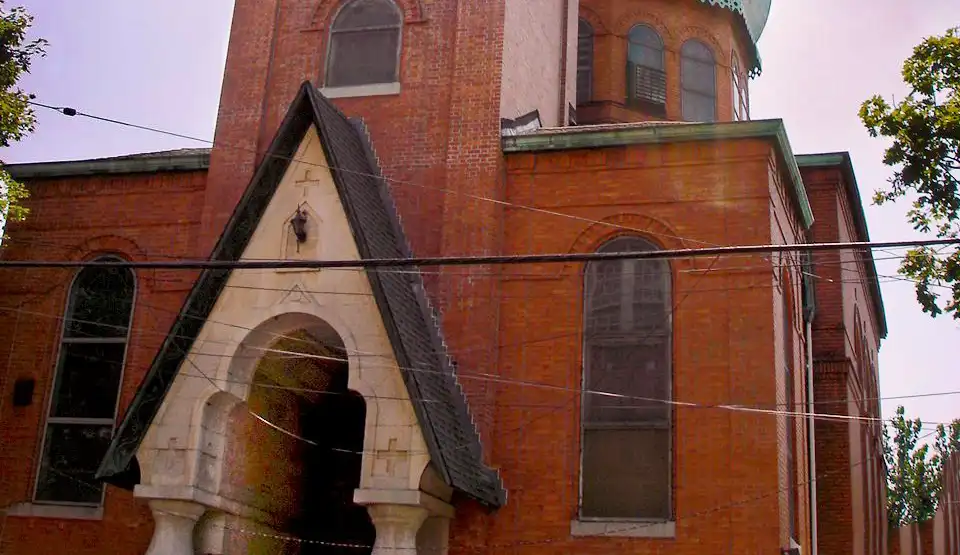
Image from Wikimedia.org
History of East New York
East New York’s origins date back to the mid-19th century when it was primarily farmland and a residential area for working-class families. Its development accelerated with the extension of public transportation lines, making it accessible to a larger population. The neighborhood experienced significant demographic shifts over the decades, welcoming immigrants from various parts of the world, including Europe, the Caribbean, and Latin America. Each wave of newcomers brought their own cultural heritage.
Throughout its history, East New York has faced numerous challenges, including economic downturns, crime, and urban decay. However, it has also been a community of resilience and renewal. Efforts to revitalize the neighborhood have led to improvements in housing, infrastructure, and community services. Amidst this backdrop of change and adaptation, historical landmarks like the Holy Trinity Russian Orthodox Church have remained steadfast, preserving the cultural and spiritual heritage of the community.
Holy Trinity Russian Orthodox Church
Holy Trinity Russian Orthodox Church, located at 400 Glenmore Avenue in East New York, is one of the most significant historical landmarks in the neighborhood. Established in the early 20th century, the church has been a spiritual home for generations of Russian Orthodox Christians and a symbol of faith, culture, and community resilience.
Origins and Early History
The origins of Holy Trinity Russian Orthodox Church can be traced back to the early 1900s when a group of Russian immigrants settled in East New York. Seeking to preserve their religious traditions and cultural identity, they established a small congregation. In 1919, the church was officially founded, marking the beginning of its long and storied history.
The early years of the church were marked by the efforts of dedicated parishioners who worked tirelessly to build a place of worship. The church’s architecture, characterized by its traditional Russian Orthodox design, features distinctive elements such as onion domes and ornate iconography. These architectural details not only reflect the church’s religious significance but also serve as a reminder of the cultural heritage of its founders.
Architectural and Artistic Features
The architecture of Holy Trinity Russian Orthodox Church is a testament to the rich traditions of the Russian Orthodox faith. The exterior of the church is adorned with iconic onion domes, which are a hallmark of Russian religious architecture. These domes are not only visually striking but also hold symbolic meaning, representing heaven and the divine.
Inside, the church is equally impressive, featuring intricate frescoes, religious icons, and ornate woodwork. The iconostasis, a screen decorated with icons that separates the sanctuary from the nave, is a central feature of the church’s interior. These icons depict various saints and religious scenes, serving as focal points for prayer and reflection. The artistry within the church is a testament to the skill and devotion of the craftsmen who created it. Each element of the church’s design is imbued with spiritual significance, creating an atmosphere that inspires reverence and contemplation.
Cultural and Community Role
Over the years, Holy Trinity Russian Orthodox Church has played a vital role in the cultural and spiritual life of East New York. It has been a place of worship, community gathering, and cultural preservation. The church’s services, conducted in both English and Church Slavonic, reflect the dual commitment to maintaining tradition and serving the needs of a diverse congregation.
The church has also been a center for cultural activities, hosting events that celebrate Russian heritage and Orthodox Christian traditions. Festivals, religious holidays, and community gatherings are integral parts of the church’s calendar, providing opportunities for parishioners to come together and strengthen their bonds.
In addition to its religious and cultural activities, the church has been involved in various charitable initiatives. From food drives to support for local families in need, the church’s outreach efforts embody the spirit of compassion and service that is central to its mission.
Challenges and Resilience
Like the neighborhood it serves, Holy Trinity Russian Orthodox Church has faced its share of challenges. Economic hardships, demographic shifts, and urban development pressures have all posed threats to the church’s stability. However, the resilience of the congregation and the broader community has ensured that the church remains a vital part of East New York.
Efforts to preserve and restore the church have been ongoing, with parishioners and community members working together to maintain its physical structure and spiritual mission. These efforts are a testament to the enduring importance of the church to those who call East New York home.
Conclusion
Holy Trinity Russian Orthodox Church stands as a testament to the rich history and cultural diversity of East New York. As a historical landmark, it embodies the faith, resilience, and community spirit that have defined the neighborhood for over a century. The church’s architecture, artistry, and cultural activities provide a window into the past, while its ongoing role in the community underscores its relevance to the present and future.
In a neighborhood that has experienced significant changes and challenges, Holy Trinity Russian Orthodox Church remains a beacon of continuity and hope. It is a place where history is preserved, traditions are celebrated, and community is nurtured. For anyone interested in the history and culture of East New York, a visit to Holy Trinity Russian Orthodox Church offers a meaningful and enriching experience.