







Slip and Fall Accidents in Marine Park
Across Brooklyn, public spaces like Marine Park see steady activity from walkers, families, cyclists, commuters, and residents using nearby sidewalks and paths. When a wet surface, icy walkway, uneven entrance, or poorly maintained public area is not addressed, a normal visit can turn into a painful fall.
A slip and fall accident in Marine Park raises more than one question. The key issues often include who controlled the area, how long the unsafe condition existed, whether anyone reported it before, and whether the City of New York or another public entity is involved.
For questions about evidence, deadlines, or who may be responsible, call Law Office of Irene H. Gabo, P.C. at 800-560-0214.
How Slip and Fall Accidents Happen at Marine Park
Marine Park includes walking paths, park entrances, sidewalks, recreation areas, and nearby street crossings. Rain, snow, leaves, mud, poor drainage, and heavy pedestrian use can all create slippery surfaces. These conditions become legally important when they are allowed to remain long enough that responsible parties should have fixed them.
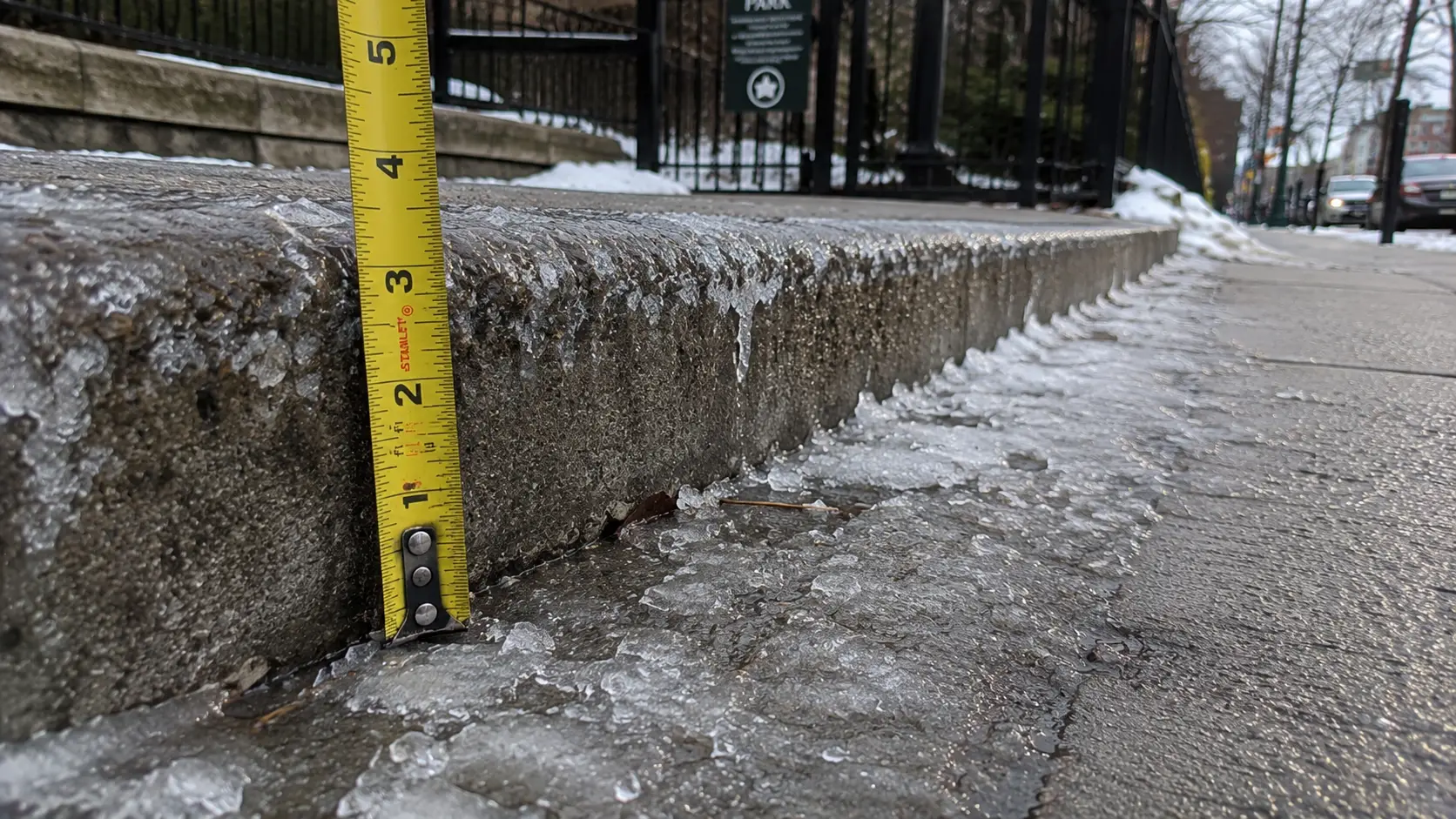
Common slip hazards in Marine Park may include wet pavement after storms, ice from melt-and-refreeze cycles, puddles near poorly drained areas, loose mats near facilities, or slippery residue from maintenance work. In busy Brooklyn public spaces, even a small hazard can become serious when many people pass through the same area every hour.
Slip and fall cases often overlap with broader premises liability rules. You can learn more about these claims on our Brooklyn slip and fall accident lawyers page.
Common Injuries After a Fall in Marine Park
Falls often cause wrist fractures, ankle injuries, knee damage, hip injuries, shoulder tears, back injuries, and head trauma. Some injuries are obvious right away. Others, such as herniated discs or ligament tears, may become more painful over several days.
The medical record matters because it connects the fall to the injury. Doctors may order X-rays, MRIs, CT scans, or specialist evaluations. Gaps in treatment can give insurers or city defendants an argument that the injury was not serious or was caused by something else.
In Marine Park cases, lawyers also look at how the injury affected daily life. Trouble walking, climbing stairs, working, caring for family, or returning to normal activities can help show the real impact of the fall.
Who Is Legally Responsible for a Slip and Fall at Marine Park?
Under New York premises liability law, the injured person must usually show that a dangerous condition existed and that the responsible party knew or should have known about it. This is called actual or constructive notice. Liability may also exist when the responsible party created the hazard.
Marine Park adds an important layer because parts of the area may be controlled by NYC Parks or another city agency. Claims involving city-owned or city-maintained property follow different rules than claims against private stores, landlords, or management companies.
A lawyer will review ownership, maintenance responsibility, prior complaints, inspection practices, weather history, and whether the dangerous condition was visible. For sidewalk-related hazards, New York City rules can also involve adjacent property owners, depending on where the fall happened and who had legal responsibility for that specific location.
When fault is disputed, New York’s comparative negligence rule may apply. This means your recovery can be reduced if you are found partly responsible, but you are not automatically barred from compensation. For more detail, see our guide on comparative negligence in New York.
What Happens After a Slip and Fall in Marine Park
The first days after a fall often shape the entire claim. The surface may dry, ice may melt, leaves may be cleared, and temporary repairs may happen before anyone documents the condition. Witnesses may also become difficult to locate.
When Marine Park or another city-controlled area is involved, evidence may need to be requested through agency channels. FOIL requests can be used to seek maintenance records, prior complaints, inspection logs, and incident reports. These records may show whether the city knew about a recurring hazard.
Photos are especially valuable because they freeze the condition as it existed at the time. A close-up image helps, but a wider photo showing the exact location in Marine Park can be just as important. Lawyers often compare those photos with weather data, 311 complaints, and maintenance records.
One common mistake is waiting until pain becomes severe before reporting the fall. Another is giving a recorded statement without understanding how insurers or city representatives may use it later. Clear reporting, prompt treatment, and early preservation requests can protect the claim.
Special New York Rules That May Apply
Most New York personal injury claims have a three-year statute of limitations. Slip and fall cases involving New York City, NYC Parks, or another municipal entity are different. A Notice of Claim generally must be filed within 90 days, and the lawsuit deadline is usually one year and 90 days.
These municipal deadlines are strict. They can apply when a fall happens on city-owned park property, a public sidewalk controlled by the city, or another government-maintained area. Missing the Notice of Claim deadline can prevent an otherwise valid case from moving forward.
New York also recognizes the storm-in-progress doctrine. Property owners and public entities may have a defense when snow or freezing rain is still actively falling. But once the storm ends, maintenance duties can arise. In New York City, snow and ice generally must be cleared within four hours after snowfall ends, or by 11 a.m. if the snow ends overnight.
Marine Park slip and fall claims therefore require careful timing analysis. The weather timeline, maintenance response, and exact location of the fall can all affect whether the responsible party had a fair chance to correct the hazard.
What To Do After a Slip and Fall at Marine Park
Start by getting medical attention, even if you think the injury may be minor. Pain can increase after swelling sets in. Medical records also help document the timing and cause of the injury.
Report the fall to the proper office, agency, property manager, or responding personnel. Ask for a copy or record of the report if possible. If the fall happened on city property, note the exact location, including nearby entrances, paths, intersections, landmarks, or park features.
Take photos and videos before the condition changes. Include the hazard, your footwear, lighting, weather conditions, and surrounding area. Get names and phone numbers for witnesses who saw the fall or noticed the hazard before it happened.
A practical checklist can help protect your rights. Our guide on what to do after a fall accident explains steps that often matter in New York claims.
How Our Lawyers Can Help With a Marine Park Slip and Fall Claim
Law Office of Irene H. Gabo, P.C. can investigate who controlled the area where the fall occurred. That may include reviewing whether the claim belongs against NYC Parks, another city agency, a private contractor, an adjacent property owner, or more than one party.
Our lawyers look for proof that connects the unsafe condition to the injury. That includes photographs, medical records, witness statements, weather records, 311 complaints, inspection logs, repair history, and surveillance when available. In city-related cases, early requests can be important because agency records and camera footage may not be kept forever.
We also prepare cases for the defenses that are commonly raised. A defendant may argue the condition was open and obvious, that the fall was your fault, that the hazard appeared moments before the incident, or that the weather made cleanup impossible at that time.
A strong claim often depends on early evidence preservation. Call Law Office of Irene H. Gabo, P.C. at 800-560-0214 to discuss what records, photos, or deadlines may matter in your case.
Compensation You May Recover
The damages available depend on the nature of your injuries and how they have affected your life. Compensation may include medical bills, physical therapy, medication costs, lost income, reduced earning ability, and out-of-pocket expenses.
Non-economic damages may also be available. These address pain and suffering, loss of enjoyment of life, emotional distress tied to the injury, and the daily limitations caused by the fall. A Marine Park resident who can no longer walk comfortably, work full shifts, or care for family may have losses that go beyond bills.
Future damages can be important when injuries require surgery, ongoing therapy, injections, mobility devices, or long-term treatment. Lawyers often use medical opinions and employment records to show how the fall may affect your future.
Limits and Case Viability
Not every fall results in a viable legal claim. A case usually depends on proof that a dangerous condition existed, that the responsible party had notice or created it, and that the condition caused real injury.
Marine Park cases can be limited by timing, missing photographs, unclear location details, lack of witnesses, or municipal deadlines. They can also be affected by arguments that the hazard was obvious or that the injured person failed to watch where they were walking.
Those issues do not always defeat a claim. They do show why careful investigation matters. The stronger the evidence, the harder it is for a defendant to dismiss the fall as unavoidable.
Contact a Marine Park Slip and Fall Lawyer
A slip and fall at Marine Park can involve public property rules, local maintenance records, weather evidence, and strict deadlines. Understanding those details early can help protect your options.
To discuss your case, call Law Office of Irene H. Gabo, P.C. at 800-560-0214.
Frequently Asked Questions About Marine Park Slip and Fall Claims
Does a Marine Park Slip and Fall Claim Have a Shorter Deadline?
It can. If NYC Parks or another city agency is responsible, a Notice of Claim generally must be filed within 90 days. The lawsuit deadline is usually one year and 90 days for municipal claims.
What Proof Helps Show the City or Property Owner Knew About the Hazard?
Helpful proof may include prior 311 complaints, inspection records, repair logs, incident reports, and witness statements. Photos showing the condition and its location are also important. The goal is to show the hazard was known, recurring, or present long enough to be fixed.
Can I Still Recover Compensation If I Was Not Watching the Ground?
Possibly. New York uses pure comparative negligence, so partial fault reduces recovery but does not automatically end the claim. The facts matter, including lighting, visibility, crowding, and whether the hazard was reasonably noticeable.
What Should I Do If Ice or Snow Caused My Fall in Marine Park?
Document the exact location, weather conditions, and time of the fall. Snow and ice cases often depend on when the storm ended and whether there was enough time to clear the area. Medical treatment and photos should be obtained as soon as possible.
How Is the Value of a Slip and Fall Case Determined?
Case value depends on liability, injury severity, medical treatment, lost income, permanency, and available insurance or municipal responsibility. A fracture or surgery usually changes the analysis. So does strong evidence showing the hazard should have been corrected before the fall.