Historical Landmarks in Manhattan Beach
The Holocaust Memorial Park on Emmons Avenue in Brooklyn, New York, is a tribute to the millions of Jews and other victims who perished during the Holocaust. Located in the Sheepshead Bay neighborhood, this memorial park is a space dedicated to remembrance, education, and reflection.
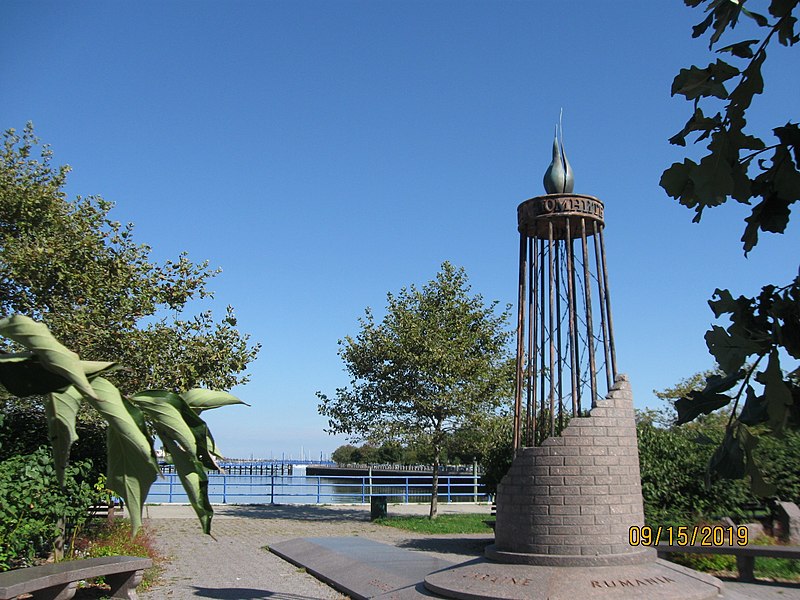
Image from Wikimedia.org
History and Creation of the Memorial
The establishment of the Holocaust Memorial Park was driven by the dedicated efforts of Holocaust survivors, their descendants, and members of the local community. The idea for the memorial originated in the early 1980s, when a group of survivors recognized the importance of creating a permanent site to honor those who were lost and to educate future generations about the atrocities of the Holocaust. In 1985, the New York City Council approved the allocation of a parcel of land on Emmons Avenue, along the waterfront, for the creation of the memorial. The project gained support from various community organizations, local officials, and philanthropists, who worked tirelessly to bring the vision to fruition. The park was officially dedicated on June 22, 1997, in a ceremony attended by dignitaries, survivors, and community members.
Design and Features
Holocaust Memorial Park is designed to evoke a sense of contemplation and reverence. The central feature of the park is a large granite memorial wall, inscribed with the names of concentration camps and the significant dates of the Holocaust. This wall serves as a powerful reminder of the brutality of the genocide. In addition to the memorial wall, the park includes several smaller monuments and plaques that commemorate specific aspects of the Holocaust. These include dedications to the children who perished, the righteous among the nations who risked their lives to save Jews, and the six million Jews who were systematically murdered. The inscriptions are poignant and serve to educate visitors about the various facets of the Holocaust.
The park’s design incorporates landscaped gardens, benches, and pathways, creating a serene environment where visitors can reflect on the tragic history. The waterfront location adds to the contemplative atmosphere, with the gentle sounds of the water providing a backdrop for reflection.
Educational Impact
One of the primary purposes of Holocaust Memorial Park is to educate the public about the Holocaust and to ensure that the memory of the victims is preserved. The park serves as an outdoor classroom, where school groups, community organizations, and individuals can learn about the historical events and the human stories behind the statistics. The memorial is a frequent site for educational programs, guided tours, and commemorative events. Holocaust survivors often share their personal stories with visitors, providing a powerful and direct connection to history. These interactions help to humanize the events of the Holocaust and to instill the importance of tolerance, empathy, and vigilance against hatred and bigotry.
Commemorative Events
Holocaust Memorial Park hosts various commemorative events throughout the year, most notably Yom HaShoah, or Holocaust Remembrance Day. These events bring together survivors, their families, community leaders, and the general public to honor the memory of the victims and to reaffirm the commitment to never forget. The ceremonies often include speeches by survivors and dignitaries, the lighting of memorial candles, and the recitation of the Kaddish, the Jewish prayer for the deceased. These gatherings provide an opportunity for the community to come together in solidarity and to reflect on the enduring lessons of the Holocaust.