Historical Landmarks in Bushwick
Bushwick, a neighborhood located in northern Brooklyn, New York, is a place steeped in history and rich in cultural heritage. Originally settled by the Dutch in the 17th century, Bushwick has evolved significantly over the centuries, becoming a melting pot of cultures and communities. Its industrial roots, immigrant influences, and recent gentrification have all contributed to the neighborhood’s unique character. Amidst its urban landscape, Bushwick boasts several historical landmarks that offer a glimpse into its past. Among these, the Vander Ende-Onderdonk House, the William Ulmer Brewery Complex, and the Evergreens Cemetery stand out as significant testaments to Bushwick’s diverse and storied history.
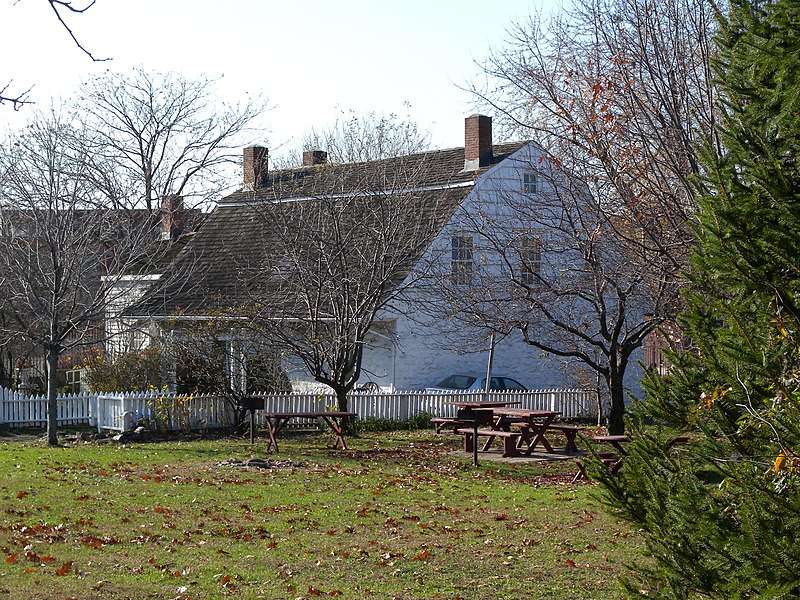
Image from Wikimedia.org
The Vander Ende-Onderdonk House
The Vander Ende-Onderdonk House, located at 1820 Flushing Avenue, is the oldest remaining Dutch colonial house in New York City. Built in 1709, this historic house is a remarkable example of Dutch colonial architecture and a valuable link to Bushwick’s early European settlement. The house was constructed by Paulus Vander Ende, a Dutch settler, and later came into the possession of the Onderdonk family, who were prominent figures in the community. The house has survived various changes in ownership and use, including periods as a private residence, a farm, and even an industrial site.
Architectural Significance
The Vander Ende-Onderdonk House is characterized by its traditional Dutch architectural elements, including a gambrel roof, thick fieldstone walls, and Dutch doors. These features are indicative of the building techniques and styles brought to America by Dutch settlers in the early 18th century. The house’s preservation offers a tangible connection to this period, providing insight into the domestic life and architectural practices of early Dutch settlers in the region.
Cultural and Educational Role
Today, the Vander Ende-Onderdonk House operates as a museum and cultural center, managed by the Greater Ridgewood Historical Society. It hosts a variety of educational programs, tours, and community events that highlight the history and heritage of Bushwick and the surrounding areas. Visitors can explore the house’s period rooms, view historical exhibits, and participate in hands-on activities that bring the past to life.
William Ulmer Brewery Complex
The William Ulmer Brewery Complex, located at 31 Belvidere Street, is a prominent reminder of Bushwick’s industrial past. This brewery, established in the late 19th century, played a significant role in the neighborhood’s economic and social development. Founded by William Ulmer in 1872, the brewery was part of Brooklyn’s booming brewing industry during the late 19th and early 20th centuries. At its peak, Bushwick was known as the “beer capital of the Northeast,” with numerous breweries operating in the area. The Ulmer Brewery was renowned for its high-quality beers and became a central hub for the local German-American community.
Architectural Significance
The William Ulmer Brewery Complex is notable for its distinctive architecture, designed by prominent brewery architect Theobald Engelhardt. The complex features a striking combination of Romanesque Revival and round arch styles, characterized by ornate brickwork, arched windows, and decorative detailing. These architectural elements reflect the aesthetic preferences of the period and the importance placed on brewery design.
Preservation
Although the brewery ceased operations during Prohibition, the complex has been preserved and repurposed over the years. Today, the buildings house a variety of commercial and residential spaces, contributing to the neighborhood’s ongoing revitalization. The preservation of the William Ulmer Brewery Complex highlights the adaptive reuse of historical industrial sites, demonstrating how these structures can be integrated into contemporary urban life while retaining their historical significance.
The Evergreens Cemetery
The Evergreens Cemetery, located on the border of Bushwick and Queens, is one of the most historically significant cemeteries in New York City. Established in 1849, the cemetery spans over 225 acres and serves as the final resting place for many notable individuals, as well as ordinary citizens whose lives collectively tell the story of the city. The Evergreens Cemetery was designed as a rural cemetery, part of a movement that sought to create serene, park-like burial grounds away from the crowded and unsanitary conditions of urban graveyards. The cemetery’s founders aimed to provide a peaceful and dignified resting place that also offered a natural retreat for the living.
Notable Burials
Among the thousands buried at the Evergreens Cemetery are several notable figures from various walks of life. These include:
Lester Young: A legendary jazz saxophonist who played a significant role in the development of jazz music.
James Weldon Johnson: An influential writer, civil rights activist, and the author of the Negro National Anthem, “Lift Every Voice and Sing.”
Charles L. Reason: An African American mathematician, educator, and abolitionist who was a prominent advocate for the education of Black Americans in the 19th century.
The cemetery is also the final resting place for many victims of the 1911 Triangle Shirtwaist Factory fire, a tragic event that highlighted the need for labor reforms and improved factory safety standards.
Landscape and Monuments
The Evergreens Cemetery is known for its beautiful landscape, featuring rolling hills, mature trees, and meticulously maintained grounds. The cemetery is home to numerous monuments and mausoleums, each with unique architectural and artistic significance. These structures reflect the cultural and historical diversity of the individuals buried there, providing a visual and symbolic representation of the community’s heritage.
Preservation
The Evergreens Cemetery continues to play an active role in the community, offering historical tours, educational programs, and events that celebrate the cultural and historical significance of the site. Efforts to preserve and maintain the cemetery ensure that it remains a place of reflection, remembrance, and learning for future generations.
Conclusion
The Vander Ende-Onderdonk House, the William Ulmer Brewery Complex, and the Evergreens Cemetery each offer unique insights into different aspects of this history. From the early Dutch settlers and their architectural legacy, through the industrial boom and the thriving brewing industry, to the stories of those buried in one of the city’s most significant cemeteries, these landmarks collectively tell the story of Bushwick’s past.
The preservation and celebration of these historical sites not only honor the neighborhood’s heritage but also provide valuable educational and cultural resources for the community. As Bushwick continues to evolve, these landmarks stand as enduring reminders of the neighborhood’s rich and diverse history, ensuring that the stories of the past remain an integral part of its present and future.