







Trip and Fall Injuries at Salt Marsh Nature Trail
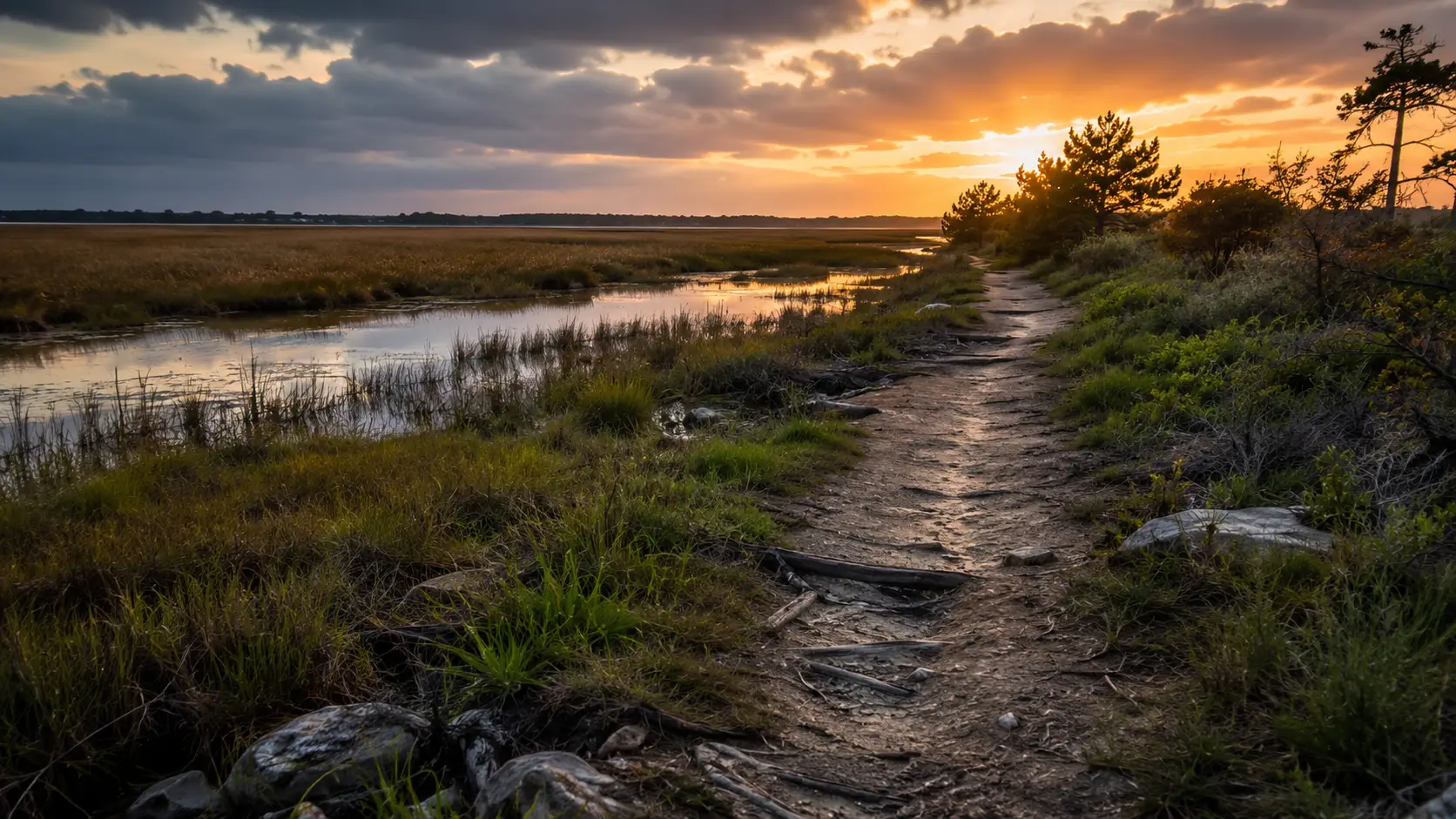
Imagine visiting Salt Marsh Nature Trail for a walk near the water, only for an uneven path, broken surface, or hidden trail defect to cause a sudden fall. This is not a classic boardwalk setting. It is a walking trail and waterfront nature area, where weather, soil movement, heavy foot traffic, and maintenance practices can all affect safety.
A trip and fall at Salt Marsh Nature Trail can raise questions about who controlled the area, how long the hazard existed, and whether the responsible party had a fair chance to fix it. In a public park or nature trail setting, those questions often become more complex because a city agency may be involved.
If the injury happened on public property or may involve a city agency, deadlines can be shorter than expected. Contact Law Office of Irene H. Gabo, P.C. at 800-560-0214 for guidance.
How Trip and Fall Accidents Happen at Salt Marsh Nature Trail
Salt Marsh Nature Trail has conditions that differ from an indoor store, apartment lobby, or paved commercial sidewalk. A walking trail near wetlands can develop uneven surfaces from rain, erosion, tree roots, shifting soil, worn pavement, loose stones, or damaged path edges. These risks are not always obvious until a foot catches on a raised or broken area.
Trail accidents often happen when a defect blends into the natural setting. A crack, rut, exposed root, sunken surface, or raised transition may be difficult to see in changing light. After rain, water can collect in low spots and hide a depression. During colder months, freeze-thaw cycles can worsen uneven areas and create recurring trip hazards.
Because Salt Marsh Nature Trail is a known walking area, regular use matters. The more visitors a trail receives, the more important inspection and repair practices become. Prior complaints, maintenance records, and photographs can help show whether a defect was isolated or part of a repeated condition that should have been addressed.
For broader information about similar claims, our page on trip and fall accidents on sidewalks explains how uneven walking surfaces can become legally important in New York injury cases.
Common Injuries After a Trail Fall in Brooklyn
Trip and fall injuries often involve the hands, wrists, shoulders, knees, ankles, hips, back, and head. Many people instinctively reach out to break the fall, which can cause fractures or ligament injuries. A fall on a hard trail surface can also lead to head trauma, facial injuries, or spinal pain.
The legal importance of an injury is not based only on how painful it feels on the day of the fall. Medical records, imaging studies, specialist evaluations, and physical therapy notes help show the seriousness of the harm. A small defect can still cause a serious injury when the fall mechanics are severe.
Functional limits also matter. If a person cannot walk normally, return to work, care for family, or use stairs after a fall at Salt Marsh Nature Trail, those facts help explain the real impact of the incident. Doctors often document range of motion, restrictions, surgery recommendations, and whether the injury may be permanent.
Some injuries worsen after the first day. Swelling, nerve pain, concussion symptoms, and back problems may become clearer over time. That is why prompt medical treatment creates a timeline linking the fall to the diagnosis.
Who May Be Legally Responsible for a Trip and Fall at Salt Marsh Nature Trail?
New York premises liability law focuses on control, notice, and reasonable care. The key question is not simply whether someone fell. The question is whether the party responsible for the trail knew or should have known about a dangerous condition and failed to correct it or warn visitors.
At a location like Salt Marsh Nature Trail, potential responsibility may involve a public entity, park department, maintenance contractor, or another party involved in inspection or repair. If the trail is controlled by New York City or NYC Parks, the claim follows special municipal procedures. That changes both the deadline and the evidence strategy.
Notice is often the central issue. Actual notice may exist if prior complaints, inspection reports, or work orders showed the specific hazard before the fall. Constructive notice may exist if the defect was visible and present long enough that reasonable inspections should have found it. If a maintenance crew created the unsafe condition, a separate notice showing may not be required.
Trail cases also require careful separation between ordinary outdoor conditions and legally unsafe defects. A nature trail is not expected to look like a polished indoor floor. But visitors still should not be exposed to preventable hazards caused by poor repair, neglected walking surfaces, missing warnings, or known dangerous transitions.
For a deeper discussion of how responsibility is evaluated in fall cases, see our resource on who may be responsible for a fall in Brooklyn.
What Happens After a Trip and Fall at Salt Marsh Nature Trail
The first days after a fall often decide whether the claim can be proven later. Trail conditions can change quickly. Rain can wash away loose debris, workers may repair a defect, lighting may differ by the hour, and seasonal growth can hide or reveal the area where the fall occurred.
Reporting the incident matters because public agencies and property managers rely heavily on written records. If there is no report, the defense may argue that the fall did not happen as described or that no one had notice of the hazard. A report does not prove the case by itself, but it helps create a date, location, and basic description.
Photos are especially important in a trail setting. A close-up photo may show the defect, but a wider photo shows where it was located on the path. Measuring the height difference with a coin, ruler, phone, or other object can help later, especially if the surface gets repaired before an expert can inspect it.
Witness information is often lost because trail visitors continue walking and may not know they will be needed. Names, phone numbers, and short written observations can become valuable if the city or another responsible party disputes the hazard. Nearby visitors may also have noticed prior problems on the same path.
When a public agency is involved, records may need to be requested through FOIL. Those records can include complaints, maintenance logs, inspection documents, prior accident reports, repair orders, and photographs. Camera footage may be limited in a nature trail setting, but nearby entrances, parking areas, or adjacent facilities may have video that is overwritten quickly.
Special New York Rules That May Apply to Salt Marsh Nature Trail Claims
Most New York personal injury cases must be filed within three years. But that general rule does not control when the responsible party is a municipal entity. If New York City, NYC Parks, or another public agency is legally responsible, a Notice of Claim generally must be filed within 90 days, and the lawsuit deadline is typically one year and 90 days.
That 90-day deadline is one of the biggest traps in public property cases. It applies even when the injured person is still receiving medical care or does not yet know the full extent of the injury. A late Notice of Claim can seriously limit or end the case.
Public trail and sidewalk cases may also involve prior written notice rules for certain city-owned defects. In practice, that means the investigation must look for earlier complaints, inspection records, repair requests, 311 reports, agency work orders, and maps showing who controlled the specific location. The exact spot of the fall can determine which rules apply.
New York also follows pure comparative negligence under CPLR §1411. A person can still recover damages even if they were partly at fault. The recovery is reduced by the percentage of fault assigned to them. In a Salt Marsh Nature Trail case, the defense may argue that the hazard was open and obvious, that the person was looking at the water or phone, or that footwear contributed to the fall.
Those arguments do not automatically defeat a claim. The response depends on the facts. A dangerous height differential, poor lighting, hidden rut, missing warning, or history of complaints can show that the condition was unsafe even if the visitor could have been more careful.
New York sidewalk and walking-surface standards may also make measurements important. Height variations around one-half inch or more can become significant in evaluating whether a surface defect was dangerous, especially when combined with poor lighting, irregular pavement, or heavy pedestrian use.
What To Do After a Trip and Fall at Salt Marsh Nature Trail
Start by getting medical attention. Even if you finish the walk or go home first, pain can worsen after adrenaline fades. Medical records help connect the fall to the injury and reduce the chance that an insurer claims something else caused the condition.
Next, document the exact location. Salt Marsh Nature Trail includes natural and paved areas where one part of the path may look similar to another. Take wide photos showing nearby signs, benches, turns, entrances, or landmarks. Then take close photos of the defect from several angles.
Report the fall to the proper agency, park office, property manager, or emergency personnel when possible. If city property is involved, note the time, date, and person or agency receiving the report. Keep copies of any report number, email, or written confirmation.
Preserve footwear and clothing from the day of the fall. Defense lawyers sometimes argue that shoes were unsafe or inappropriate for a trail. Keeping them in the same condition allows your attorney to respond to that claim with facts instead of assumptions.
Our guide on how to respond after a trip and fall accident covers practical steps that may help protect a claim after a fall in New York.
A strong claim often depends on early evidence preservation. Call Law Office of Irene H. Gabo, P.C. at 800-560-0214 to discuss what records, photos, or deadlines may matter in your case.
How Our Lawyers at Law Office of Irene H. Gabo, P.C. Can Help You
A trip and fall at Salt Marsh Nature Trail requires more than a basic accident report. Our lawyers look at who controlled the trail, how the surface was maintained, whether complaints existed, and whether the defect was visible before the fall. That investigation helps determine whether a private party, city agency, contractor, or maintenance provider may be responsible.
Evidence preservation is often the first step. We may seek photographs, inspection records, agency documents, FOIL materials, maintenance logs, repair history, and witness statements. If the trail condition changed after the fall, early photographs and measurements become even more important.
We also evaluate the medical side of the claim. That includes reviewing emergency care, diagnostic testing, specialist treatment, therapy records, work restrictions, and future care needs. A fall case becomes stronger when the injury timeline is clear and consistent.
When a municipal deadline may apply, timing drives strategy. Filing a timely Notice of Claim, identifying the correct public entity, and preserving agency records can make the difference between a case moving forward and being blocked by procedure. Public entities are not above responsibility, but the rules for suing them are strict.
Compensation You May Recover After a Trail Fall
The damages available depend on the nature of your injuries and how they have affected your life. Common categories include medical expenses, lost wages, pain and suffering, and reduced earning capacity. Future damages may also be available when the injury creates long-term limitations.
Economic damages cover financial losses. These may include ambulance care, emergency treatment, orthopedic visits, surgery, imaging, physical therapy, medication, medical equipment, and transportation to appointments. If you missed work after falling at Salt Marsh Nature Trail, lost income may also be part of the claim.
Non-economic damages address the human impact of the injury. Pain, reduced mobility, loss of enjoyment of outdoor activities, sleep disruption, anxiety about walking, and limits on daily life can all matter. These losses are proven through medical records, testimony, and a clear description of how life changed after the fall.
Future damages require careful support. A doctor may explain whether the injury is permanent, whether more treatment is likely, or whether the person will have lasting work restrictions. In serious cases, vocational evidence may help show reduced earning ability.
For additional information about fall-related injuries and compensation issues, visit our page on slip and fall injuries in Brooklyn.
Limits and Case Viability in Salt Marsh Nature Trail Cases
Not every fall on a trail creates a viable legal claim. Outdoor walking areas can have natural irregularities, and the law does not require every surface to be perfect. The strongest cases usually involve a dangerous condition that was preventable, documented, and connected to a specific injury.
Proof matters as much as harm. A serious injury may not be enough if the exact location is unclear, the defect cannot be shown, or the responsible entity had no notice. On the other hand, strong photographs, prior complaints, measurements, and medical records can turn a disputed trail fall into a well-supported claim.
Insurance and public-entity defenses also affect case value. The defense may claim the condition was open and obvious, too minor to be dangerous, naturally occurring, or unrelated to the injury. A lawyer evaluates those defenses early so the case can be built around the facts that matter most.
Contact a Salt Marsh Nature Trail Trip and Fall Lawyer
A fall at Salt Marsh Nature Trail can involve public-property rules, changing trail conditions, and strict evidence requirements. Speaking with a lawyer early can help preserve the facts and identify the correct deadline.
To discuss your case, call Law Office of Irene H. Gabo, P.C. at 800-560-0214.
Frequently Asked Questions About Salt Marsh Nature Trail Trip and Fall Claims
Does a Trail Defect Have To Be Reported Before My Fall?
Prior reports can be very helpful, especially when a public entity controls the trail. A claim may also rely on constructive notice if the defect was visible and existed long enough that reasonable inspections should have found it. The exact rule depends on who controlled the location and what type of defect caused the fall.
What Makes a Nature Trail Fall Different From a Sidewalk Fall?
A nature trail may include surfaces affected by weather, soil movement, roots, drainage, and erosion. The defense may argue that some irregularities are expected outdoors. The key issue is whether the specific hazard was unreasonable, preventable, and known or knowable before the fall.
How Fast Do I Need To Act if NYC Parks May Be Involved?
If New York City or NYC Parks is responsible, a Notice of Claim generally must be filed within 90 days. The lawsuit deadline is usually one year and 90 days. These deadlines are much shorter than the three-year deadline for many private personal injury cases.
What Evidence Should I Save From a Salt Marsh Nature Trail Fall?
Save photographs of the exact defect, wide shots of the location, medical records, witness information, and the shoes you wore. If possible, document the condition before repairs or weather changes it. Reports to agencies or park personnel should also be kept.
Can I Still Recover if I Was Looking Around While Walking?
Yes, depending on the facts. New York uses pure comparative negligence, so partial fault reduces compensation but does not automatically bar recovery. The condition of the trail, visibility of the defect, warnings, and maintenance history all matter.
How Is Compensation Evaluated After a Trail Trip and Fall?
Compensation depends on medical proof, lost income, pain, long-term limits, and how the injury affects daily life. A fracture, surgery, permanent limitation, or extended therapy can increase the value of a claim. Liability proof and deadlines are just as important as the injury itself.