







Protecting Brooklyn Seniors from Physical Abuse in Nursing Homes
When families entrust their loved ones to nursing homes in Brooklyn, they expect compassionate and professional care. Unfortunately, some facilities fail to meet these standards, resulting in residents experiencing physical abuse. Recognizing the signs of such abuse is vital to protect your loved ones and hold negligent parties accountable.
Physical abuse in Brooklyn’s nursing homes often goes unreported because victims may be too afraid or unable to speak out. By understanding the warning signs and taking immediate action, families can intervene to prevent further harm and ensure the safety of vulnerable residents.
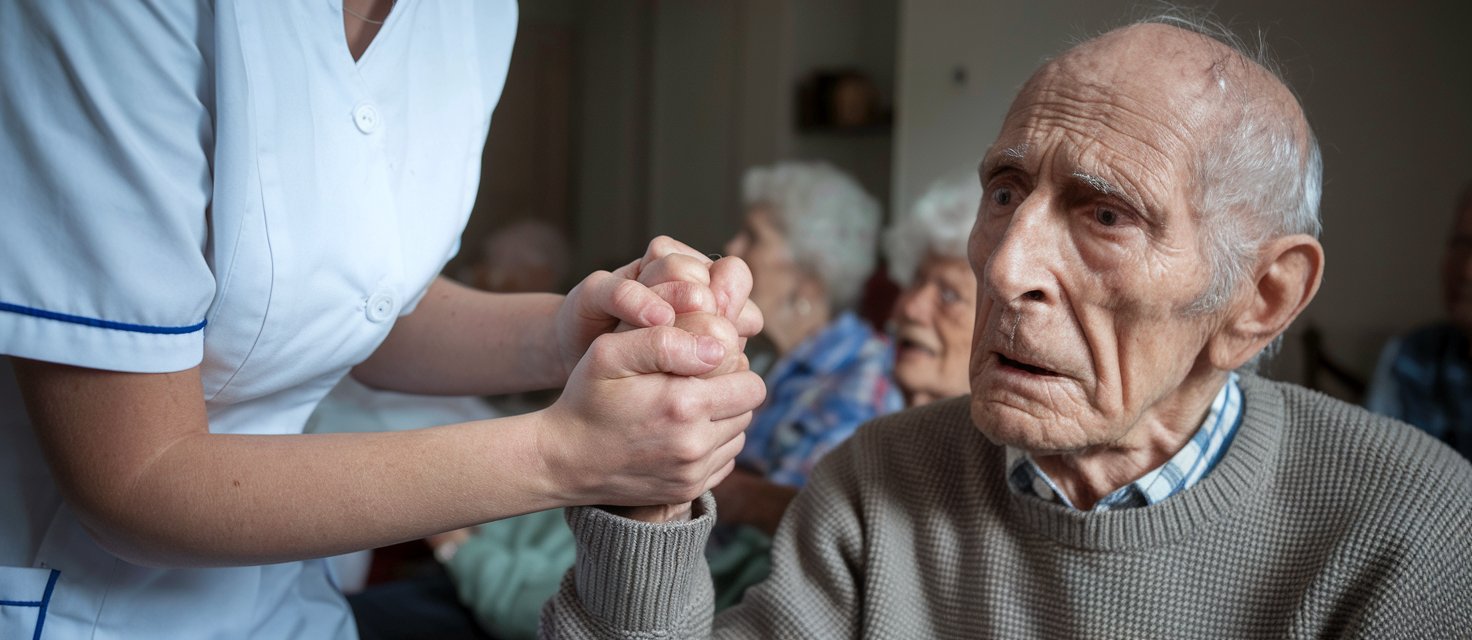
What Is Physical Abuse in Nursing Homes?
Physical abuse involves any intentional act that causes harm or injury to a resident. This can include hitting, slapping, improper use of restraints, or any forceful behavior that results in physical pain or impairment. In many cases, this abuse stems from understaffing in nursing homes, inadequate training, or unchecked aggression by caregivers.
For example, a resident in a Brooklyn nursing home was found with unexplained bruises and fractures after being roughly handled during transfers from their wheelchair to bed. Such injuries are clear indicators of physical abuse, which often coincides with neglect or emotional mistreatment.
Families must remain vigilant for signs of harm, especially when their loved ones are unable to advocate for themselves. Physical abuse not only causes immediate injuries but can also have lasting effects on a resident’s overall health and mental well-being.
Common Signs of Physical Abuse in Brooklyn Nursing Homes
Identifying physical abuse requires close observation and a willingness to address concerning patterns. While some injuries may appear accidental, repeated incidents or unexplained harm should raise red flags.
Indicators of physical abuse include:
- Bruises and cuts: Particularly in unusual locations such as the inner thighs, upper arms, or torso, which may suggest improper handling or restraint.
- Fractures or broken bones: These injuries are often caused by forceful handling or preventable falls.
- Burns: Marks from cigarettes, hot surfaces, or medical equipment mishandling.
- Restraint marks: Injuries around wrists, ankles, or torso from excessive or improper use of restraints.
- Fearful behavior: Residents flinching or recoiling when approached by staff can indicate a history of physical abuse.
By paying close attention to these signs, families can act quickly to investigate further and protect their loved ones from ongoing harm.
The Impact of Physical Abuse on Nursing Home Residents
Physical abuse in Brooklyn nursing homes can have devastating effects on residents, impacting their physical, emotional, and mental well-being. Many victims experience long-term consequences that extend far beyond the immediate injuries.
Physically, abuse can lead to chronic pain, permanent disabilities, and reduced mobility. For example, repeated falls caused by rough handling may result in fractured hips or spinal injuries, significantly impairing a resident’s independence. These injuries often require extensive medical treatment and rehabilitation, placing additional stress on victims and their families.
Emotionally, the trauma of abuse can lead to depression, anxiety, and feelings of helplessness. Many victims lose trust in caregivers and may withdraw from social activities, worsening their isolation. The psychological scars often linger long after physical wounds heal, underscoring the need for immediate intervention and support.
Families who suspect abuse should seek medical evaluations for their loved ones to document injuries and provide a clear basis for legal action. These steps are critical in holding facilities accountable and preventing further harm to residents.
Causes of Physical Abuse in Nursing Homes
Several factors contribute to this alarming issue, often stemming from inadequate management and oversight.
Key causes of nursing home abuse include:
- Understaffing: Many nursing homes operate with insufficient staff-to-resident ratios, leaving caregivers overburdened and unable to provide adequate attention to each resident.
- Lack of training: Untrained staff may lack the skills to handle residents with complex needs, such as those with dementia, leading to frustration and harmful behavior.
- Caregiver burnout: Overworked staff may become stressed and impatient, increasing the likelihood of aggressive actions toward residents.
- Weak regulatory oversight: Facilities that face little accountability may cut corners on staffing and training, creating an environment where abuse is more likely to occur.
- Failure to background checkt: Some facilities may fail to perform a background check, or performing an adequate background check failing to uncover prior issues with new hires.
By addressing these root causes, nursing homes can create safer environments for their residents. Families should research a facility’s staffing levels, caregiver training programs, and regulatory history before choosing care for their loved ones.
Steps to Take if You Suspect Physical Abuse
If you suspect that your loved one is a victim of physical abuse in a Brooklyn nursing home, taking prompt action is essential. Early intervention can prevent further harm and help secure justice for the victim.
What to do if you suspect abuse:
- Document evidence: Take photographs of visible injuries, such as bruises, cuts, or restraint marks. Record dates, observations, and any concerning incidents in a journal.
- Report the abuse: File a complaint with the New York State Department of Health or Adult Protective Services. These organizations can investigate and intervene to protect residents.
- Seek medical attention: Ensure your loved one receives prompt medical care to address injuries and obtain documentation of abuse-related harm.
- Contact our attorneys: Legal action can help hold the facility accountable, recover compensation for damages, and prevent further abuse. Our team focuses on nursing home abuse cases and can guide you through the process. Call (800) 560-0214 for a free consultation.
By taking these steps, you can protect your loved one and send a clear message that abuse will not be tolerated. Our attorneys are here to support you every step of the way.
Legal Rights for Nursing Home Residents in Brooklyn
Nursing home residents are entitled to safety, respect, and quality care under both state and federal laws. When facilities fail to uphold these standards, residents and their families have the right to take legal action.
In New York, the Nursing Home Residents’ Bill of Rights guarantees protection against abuse and neglect. This includes the right to receive proper medical care, live in a clean and safe environment, and be free from physical and emotional harm. Additionally, federal regulations under the Nursing Home Reform Act impose strict requirements on facilities receiving Medicare and Medicaid funding.
If these rights are violated, families can file complaints with state agencies or pursue civil lawsuits. Legal claims can seek compensation for medical expenses, pain and suffering, and other damages caused by abuse. Our attorneys have extensive experience in holding negligent nursing homes accountable and achieving justice for victims.
Pursuing Compensation for Physical Abuse Victims
Victims of physical abuse in Brooklyn nursing homes may be eligible for compensation to address the harm they have endured. These claims not only provide financial relief but also play a crucial role in holding negligent facilities accountable.
Compensation may cover:
- Medical expenses: Costs for treating injuries, including hospital stays, surgeries, and rehabilitation.
- Non-economic damages: Compensation for pain, suffering, and emotional trauma.
- Punitive damages: In cases of gross negligence, courts may award punitive damages to punish the facility and deter future misconduct.
Our firm works closely with families to build strong cases and secure the maximum compensation possible. By partnering with medical and legal expert witnesses, we ensure that every aspect of the victim’s suffering is thoroughly documented and addressed.
Contact Us for Help with Nursing Home Abuse Cases
If your loved one has suffered from physical abuse in a Brooklyn nursing home, it’s essential to take action. Our attorneys at the Law Office of Irene H. Gabo, P.C. are dedicated to protecting the rights of nursing home residents and holding negligent facilities accountable for their actions.
We offer free consultations to discuss your case, explain your legal options, and guide you through the process of seeking justice. Let us help you protect your loved one and secure the compensation they deserve. Call the Law Office of Irene H. Gabo, P.C. today at (800) 560-0214 or fill out our online contact form to get started.
Don’t wait-physical abuse in nursing homes must be addressed promptly to prevent further harm. Together, we can ensure that your loved one’s rights are upheld and that Brooklyn nursing homes provide the safe, compassionate care every resident deserves.
Frequently Asked Questions
What is physical abuse in nursing homes?
Physical abuse in nursing homes involves intentional actions that cause physical harm or injury to residents. This can include hitting, slapping, improper use of restraints, or rough handling during caregiving tasks.
What are the common signs of physical abuse in nursing homes?
Signs include bruises, cuts, fractures, burns, restraint marks, sudden changes in behavior, and fear or anxiety around specific caregivers. Observing these indicators is crucial to identifying abuse.
How common is physical abuse in nursing homes?
While exact statistics vary, physical abuse is a significant issue in nursing homes across New York. Many cases go unreported due to residents’ fear of retaliation or inability to communicate. It is estimated that 20 to 50% of people in nursing homes may face abuse and/or neglect.
Who is most at risk for physical abuse in nursing homes?
Residents with cognitive impairments, such as dementia, those who are socially isolated, or individuals heavily dependent on caregivers for daily needs are at higher risk of physical abuse.
What causes physical abuse in nursing homes?
Physical abuse often stems from factors such as understaffing, caregiver burnout, inadequate training, and poor facility management. Stress and frustration among staff can also contribute to abusive behavior.
What should I do if I suspect physical abuse in a Brooklyn nursing home?
If you suspect abuse, document evidence, speak with your loved one, report your concerns to the facility administration, and file a complaint with New York’s Adult Protective Services. Consulting our attorneys is an important first step.
What legal options are available for victims of physical abuse in nursing homes?
Victims and their families can file civil lawsuits to seek compensation for medical expenses, pain and suffering, and other damages. Criminal charges may also be pursued against the abuser if warranted.
Can nursing homes be held accountable for physical abuse?
Yes, nursing homes can be held liable if they failed to prevent abuse or contributed to it through negligence, such as inadequate staff training or supervision. Legal claims can target both individuals and the facility itself.
How can families prevent physical abuse in nursing homes?
Families can reduce the risk of abuse by visiting regularly, observing staff interactions, maintaining open communication with their loved ones, and choosing facilities with strong reputations and proper staffing levels.
How can The Law Office of Irene H. Gabo, P.C. assist with nursing home abuse cases?
Our attorneys help victims in nursing home abuse cases and can help investigate claims, gather evidence, and pursue compensation. We’re dedicated to ensuring justice for victims and holding negligent facilities accountable.