Exploring Brooklyn Heights: A Historical Overview
Brooklyn Heights, a gem in the heart of New York City, beckons you to explore its rich history. Originally farmland, this area transformed into a fashionable neighborhood by the 19th century, attracting notable residents and shaping its unique character. Stroll through its streets, and you will encounter a timeline that tells the story of its evolution from rural beginnings to an urban sanctuary.
Architectural enthusiasts will find Brooklyn Heights a treasure trove of 19th-century designs. The neighborhood boasts an array of architectural styles from Greek Revival to Gothic Revival, reflecting the changing tastes and influences over the years. This architectural diversity not only provides a visual feast but also narrates the historical progression of the area, making every walk through these streets a journey through time.
The neighborhood’s transition over centuries highlights its resilience and adaptability. From its roots as a simple farming community to its current status as a coveted residential area, Brooklyn Heights exemplifies the dynamic spirit of New York City. Its ability to retain its charm amidst the urban landscape is a testament to the neighborhood’s enduring appeal.
Famous Landmarks of Brooklyn Heights
The Brooklyn Heights Promenade is a crown jewel of this neighborhood. Offering breathtaking views of the Manhattan skyline, this esplanade is more than just a scenic walkway, it is a symbol of the area’s charm and elegance. As you wander along the Promenade, the panoramic views of the cityscape remind you of the close-knit relationship between Brooklyn Heights and the rest of New York City.
Brooklyn Heights is also home to historic churches that are cornerstones of the religious and cultural heritage of the community. St. Ann’s and the Holy Trinity stand as magnificent examples of architectural grandeur. These churches are not just places of worship but are also pillars of history, showcasing the spiritual and architectural legacy of the neighborhood.
The significance of these landmarks extends beyond their aesthetic value. They are beacons of the community’s past, each telling a unique story of the neighborhood’s development and its people. From the serene ambience of the Promenade to the solemn grandeur of the churches, these landmarks are integral to the identity of Brooklyn Heights.
Cultural Impact and Famous Residents
Brooklyn Heights has long been a hub for literary giants and artistic minds. It was here that Truman Capote penned his famous works, infusing the neighborhood with a literary aura. Similarly, Arthur Miller’s presence in Brooklyn Heights added to its reputation as a cradle for creativity and intellect. The neighborhood’s picturesque streets and historic aura have inspired generations of writers, adding a rich literary layer to its cultural tapestry.
The neighborhood’s charm has also made it a sought-after location for film and television. Its quintessential New York streets and historic buildings provide the perfect backdrop for storytelling, capturing the essence of the city on screen. As you walk through Brooklyn Heights, you might recognize settings from your favorite movies or TV shows, adding a sense of familiarity and excitement to your exploration.
Brooklyn Heights’ cultural impact is not just limited to literature and film. It has been a melting pot of ideas, styles, and influences, contributing significantly to the broader cultural landscape of New York City.
Brooklyn Heights in Urban Development
The neighborhood’s history of preservation efforts is a key chapter in its story. Brooklyn Heights was designated as New York City’s first Historic District, a milestone in urban conservation. This move safeguarded its architectural gems and historic character, ensuring that the charm of the past continues to enrich the present.
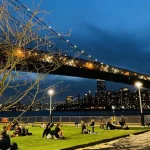
The transformation of the waterfront area reflects Brooklyn Heights’ adaptability to change. Once an industrial zone, this area has evolved into a vibrant recreational space, offering residents and visitors alike a place to relax and enjoy the scenic beauty of the East River. This transformation is a prime example of how urban development can enhance the quality of life while respecting historical roots.
Brooklyn Heights stands as a model of thoughtful urban planning. Its blend of historic preservation and modern amenities demonstrates how neighborhoods can evolve without losing their essence. The careful balance between the old and the new in Brooklyn Heights is a blueprint for urban development, showcasing how history and progress can coexist harmoniously.
Community Life and Local Highlights
The streets of Brooklyn Heights buzz with a vibrant community spirit. Montague Street, in particular, is the heart of the neighborhood where local eateries and quaint shops offer a glimpse into the everyday life of the residents. The street’s lively atmosphere is a testament to the close-knit community, where neighbors meet, shop, and dine, creating a warm and welcoming environment.
Green spaces like Cadman Plaza Park provide a serene escape within the urban setting. These areas are not just patches of greenery but vital community gathering spots where people can unwind, exercise, and socialize. The presence of such spaces in Brooklyn Heights underscores the neighborhood’s commitment to maintaining a balanced, healthy lifestyle amidst the bustling city life.
Brooklyn Heights’ community life is characterized by a blend of tradition and modernity. Annual events, local markets, and community gatherings keep the neighborhood’s traditions alive, fostering a sense of belonging and continuity. The fusion of historical charm with contemporary dynamism makes Brooklyn Heights a unique place to live, visit, and explore.