






Homecrest Pedestrian Accident Lawsuits
Pedestrians in Homecrest face serious risks on the commercial corridors that border the neighborhood. Kings Highway alone recorded 13 pedestrian injuries in a recent reporting period on the stretch between Coney Island Avenue and East 21st Street. When a pedestrian is struck by a vehicle in Homecrest, New York law provides strong protections — but strict filing deadlines can bar a claim if missed.
Pedestrian Hazards in Homecrest
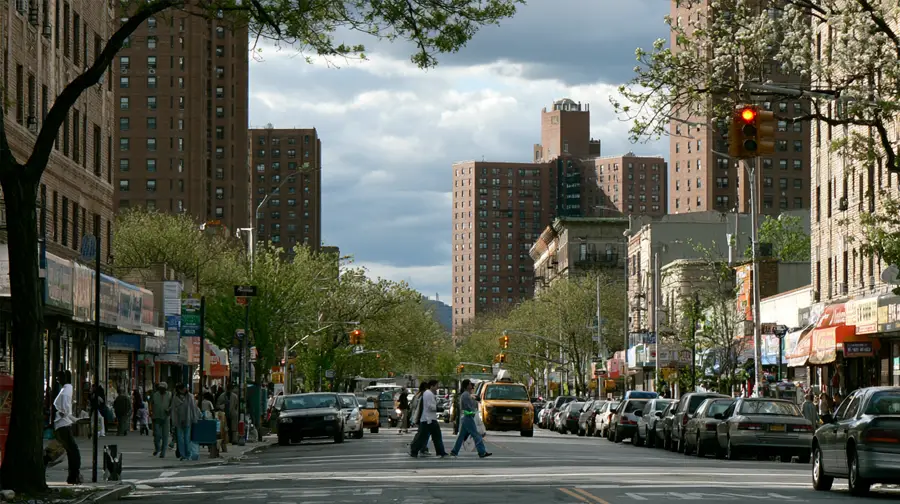
Homecrest’s approximately 44,000 residents rely heavily on walking to reach the B/Q subway stations along East 16th Street, the commercial districts on Kings Highway and Avenue U, and bus stops along Coney Island Avenue and Ocean Avenue. The density of foot traffic on these corridors, combined with high vehicle volumes and limited pedestrian infrastructure, creates persistent hazards.
Kings Highway: A Dangerous Corridor for Pedestrians
Kings Highway’s commercial stretch through Homecrest carries heavy vehicle, bus, and delivery truck traffic alongside dense pedestrian activity. The Department of Transportation has not implemented significant safety improvements on the stretch between Coney Island Avenue and East 21st Street despite documented crash patterns. Pedestrians must cross wide intersections with short signal cycles, navigate around double-parked delivery vehicles, and contend with drivers making turns into and out of commercial parking areas. An MTA bus struck and seriously injured a pedestrian near Kings Highway and East 18th Street — an intersection within Homecrest’s boundary that exemplifies the corridor’s dangers.
The B/Q subway stations at Kings Highway and Avenue U generate concentrated pedestrian flows at peak hours. Commuters crossing Coney Island Avenue, Ocean Avenue, and the intersections along East 16th Street face turning vehicles, buses pulling in and out of stops, and commercial traffic — all on roads without protected pedestrian crossings or leading pedestrian intervals at many intersections.
Liability for Pedestrian Crashes
Drivers who strike pedestrians in crosswalks, at intersections, or on sidewalks are typically liable under standard negligence principles. Common driver behaviors that cause pedestrian crashes in Homecrest include failing to yield to pedestrians in crosswalks, making turns without checking for foot traffic, speeding through residential streets, running red lights, and distracted driving near commercial areas.
The City of New York may also bear liability if dangerous road conditions — missing crosswalk markings, broken traffic signals, inadequate lighting, or poorly designed intersections — contributed to the crash. Claims against the city require filing a Notice of Claim within 90 days under General Municipal Law § 50-e.
Insurance Rules for Pedestrians
When a pedestrian is struck by a motor vehicle in New York, the pedestrian files a claim for basic economic loss (medical expenses and lost wages up to $50,000) under the vehicle driver’s PIP policy, regardless of who was at fault. If the pedestrian’s losses exceed the PIP limit, and the pedestrian’s injuries meet the “serious injury” threshold under Insurance Law § 5102(d), the pedestrian may pursue a full personal injury claim for pain and suffering, future medical costs, and other damages.
Common Pedestrian Injuries
Pedestrians struck by vehicles have no protection from the impact. The injuries are often catastrophic, particularly when larger vehicles like trucks or buses are involved.
Traumatic Brain Injury
Head impact against the vehicle or pavement can cause concussions, skull fractures, and severe brain injuries. Pedestrians who are thrown by the impact are at high risk for TBI regardless of age.
Lower Extremity Fractures
Broken legs, ankles, knees, and pelvic fractures are extremely common in pedestrian-vehicle collisions. The initial point of impact is often at bumper height, striking the legs directly.
Spinal Cord Injuries
The force of being struck and thrown can damage the spinal cord, potentially causing partial or complete paralysis. These injuries require lifelong medical care and dramatically affect the victim’s quality of life and independence.
Internal Organ Damage
Blunt force trauma from the vehicle impact can cause internal bleeding and organ damage. These injuries may not produce immediate symptoms but can become life-threatening within hours.
What to Do After Being Struck by a Vehicle
- Stay at the scene and call 911. Do not move if you are seriously injured — wait for EMS. The 61st Precinct covers Homecrest. A police report is essential evidence.
- Get emergency medical treatment. Go to the emergency room even if injuries seem minor. Internal injuries and brain trauma often have delayed symptoms.
- Identify the driver and vehicle. Get the driver’s name, license plate, insurance information. If the driver fled, note any details about the vehicle — make, model, color, direction of travel.
- Document everything. If able, photograph the intersection, traffic signals, crosswalk markings, the vehicle, and your injuries. Ask witnesses for their contact information.
- Contact a pedestrian accident attorney. An attorney can send immediate preservation notices for traffic camera footage, business surveillance video, and the driver’s vehicle data.
Filing Deadlines
Filing Deadline Alert
Personal injury claims must be filed within three years under CPLR § 214. If a city vehicle, city bus, or dangerous road condition contributed to the crash, a Notice of Claim must be filed within 90 days under General Municipal Law § 50-e. Wrongful death claims have a two-year deadline.
Struck by a Vehicle in Homecrest?
Pedestrian accidents cause devastating injuries. The Law Office of Irene H. Gabo, P.C. fights for pedestrian accident victims in Homecrest and throughout Brooklyn. Contact us for a free case evaluation. Call (800) 560-0214 today. Get a Free Consultation
Frequently Asked Questions
Yes. New York’s pure comparative negligence rule under CPLR § 1411 allows you to recover even if partially at fault. Your compensation is reduced by your percentage of responsibility. A pedestrian crossing outside a crosswalk may bear some fault, but the driver still has a duty to exercise care and avoid striking pedestrians.
Hit-and-run victims may be able to recover compensation through uninsured motorist coverage on their own auto policy or through the Motor Vehicle Accident Indemnification Corporation (MVAIC). You must report the hit-and-run to the police within 24 hours and file a MVAIC application within 180 days.
The City of New York may be liable if dangerous intersection design, missing crosswalk markings, broken traffic signals, or inadequate pedestrian crossing time contributed to the crash. A Notice of Claim must be filed within 90 days, and you must demonstrate the city had notice of the dangerous condition.
Compensation depends on the severity of injuries, medical costs, lost income, and impact on quality of life. Pedestrian accident victims who meet the serious injury threshold may recover medical expenses, lost wages, pain and suffering, emotional distress, and loss of enjoyment of life. Cases involving permanent injuries or disability often result in substantial recoveries.