







Trip and Fall Accidents Inside Brooklyn Apartment Buildings: What You Need to Know
If you were injured in a trip and fall accident inside a Brooklyn apartment building, you’re not alone. These cases are more common than most people realize-and they can lead to long-term physical, emotional, and financial struggles. Whether it happened in a dimly lit hallway, on broken stairs, or due to torn carpeting, the law may give you a right to hold the property owner accountable.
In New York, landlords and property managers have a legal duty to maintain safe conditions in their buildings. That includes both the common areas and often even parts of the premises within your unit, depending on the lease and local codes. When they fail to fix hazards or warn people about dangers, and someone gets hurt, that’s where premises liability law comes in.
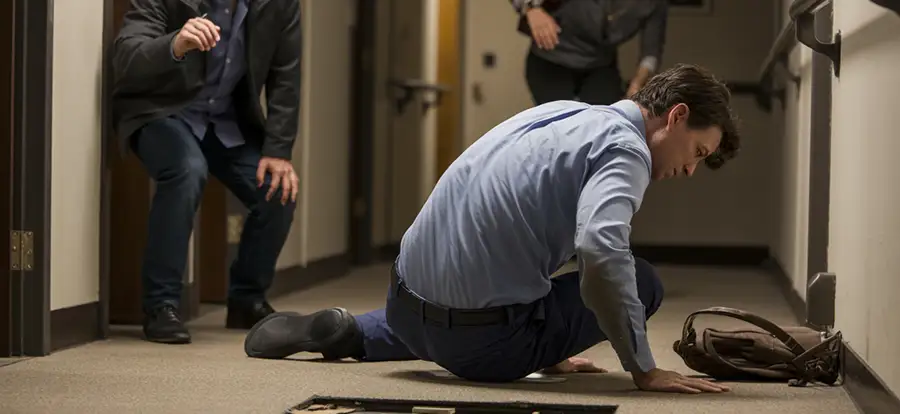
Trip and fall cases are very different from your typical Brooklyn car accident. These incidents usually involve proving the property owner knew-or should have known-about a dangerous condition and didn’t address it. That requires a careful investigation, strong documentation, and a legal strategy tailored to New York’s premises liability rules.
Our lawyers understand the impact these accidents have, especially in apartment buildings where maintenance problems are often ignored. If this happened to you, or someone you care about, we’re here to walk you through your rights and options.
Where Trip and Fall Accidents Happen Most Often in Brooklyn Apartment Buildings
In trip and fall cases, the specific location of the hazard matters. The property owner’s responsibility may vary based on where the fall occurred-inside the tenant’s unit, a shared hallway, or an outside stairwell. We’ve seen these accidents happen in almost every part of a building, and they often involve unsafe, preventable conditions.
Here are some of the most common locations in apartment buildings where serious apartment building accident injuries occur:
- Cracked or uneven staircases
- Loose or missing handrails in stairwells
- Poor lighting in hallways and entryways
- Torn or lifted carpeting in common areas
- Water leaks that create slippery floors
- Ice buildup in vestibules and entryways during winter
- Cluttered storage areas in basement or laundry rooms
- Warped or broken floorboards in older buildings
Many of these dangers are not just annoying-they’re serious hazards. When landlords ignore complaints about these conditions or delay repairs, it puts residents and visitors at risk. Even a minor slip on a loose step can lead to a fall with lifelong consequences.
In Brooklyn, it’s not unusual for large buildings to have ongoing repair issues. Our team has handled many Brooklyn slip and fall claims where tenants reported problems weeks-or even months-before an injury happened. That kind of delay can be key to proving legal liability.
Common Injuries from Trip and Fall Accidents in Apartment Buildings
A trip and fall inside an apartment building can result in far more than just embarrassment or minor bruises. These accidents can cause devastating, sometimes permanent injuries-especially for older adults and those with existing medical conditions. In many cases, the initial fall is just the beginning of a long recovery filled with doctor visits, rehabilitation, and time away from work.
Below is a comprehensive list of injuries we frequently see in premises liability Brooklyn cases related to falls in apartment buildings:
- Fractured wrists, ankles, or hips
- Traumatic brain injuries (including concussions)
- Spinal cord injuries and disc herniations
- Knee injuries such as torn meniscus or ACL
- Shoulder injuries including rotator cuff tears
- Neck and back strain or whiplash
- Facial lacerations and dental injuries from impact
- Internal bleeding or organ trauma
- Severe bruising and soft tissue damage
- Chronic pain conditions like Complex Regional Pain Syndrome (CRPS)
For example, we’ve seen cases where someone tripped on a raised tile in a hallway and shattered their wrist, requiring multiple surgeries and physical therapy. In another instance, a tenant fell down unlit stairs and sustained a concussion along with a broken hip. These injuries don’t just heal with time-they impact independence, mobility, and even long-term financial security.
If you were hurt in an unsafe stairwell injury or any other type of apartment building fall, your recovery may depend on holding the responsible party accountable. The sooner you speak with a lawyer, the better we can preserve the evidence and build a strong case.
Who’s Responsible for a Trip and Fall in a Brooklyn Apartment Building?
Determining who’s liable after a trip and fall in an apartment building can be more complex than many people think. In general, the property owner is responsible for maintaining safe conditions in common areas. But depending on the lease, local housing codes, and specific facts of the case, other parties may also share legal responsibility.
Here are some examples of who may be held liable:
- Landlords or property management companies
- Building superintendents who fail to perform timely repairs
- Maintenance contractors who did shoddy repair work
- Construction crews performing renovations
- Snow removal companies (if ice or snow was involved)
Let’s say a tenant tripped on a torn carpet that had been reported weeks earlier. If the landlord or superintendent failed to fix it or warn people, that’s clear negligence. In another case, a lighting contractor may be liable if they disconnected fixtures and left an entire stairwell in darkness. Liability depends on who had the duty to fix or warn about the hazard-and whether they acted reasonably.
In Brooklyn, proving that someone “knew or should have known” about the dangerous condition is essential. This might involve showing maintenance logs, tenant complaints, surveillance video, or even photos from before the fall. Our firm has handled many of these investigations and understands what it takes to prove fault under New York premises liability law.
What to Do After a Trip and Fall in an Apartment Building
If you were hurt in a trip and fall inside an apartment building, your actions in the hours and days after the accident can make a huge difference in your case. You might be in pain, embarrassed, or unsure of what to do next-but taking a few key steps can help protect your health and your legal rights.
Here’s what our lawyers recommend after a fall:
- Seek medical attention immediately. Even if the injury feels minor, get checked out. Symptoms like swelling, dizziness, or numbness can get worse over time.
- Report the accident to the landlord or property manager. Ask them to make a written incident report and get a copy if possible.
- Take photos of the hazard (e.g., loose carpet, broken stair, poor lighting). Try to do this before it’s repaired or changed.
- Get witness information. If anyone saw you fall or heard you complain about the hazard before, write down their name and phone number.
- Preserve your shoes and clothing. They may be useful evidence, especially if you slipped on a slick or wet surface.
Documentation is key in these cases. We’ve handled apartment building accident claims where video footage, maintenance logs, and even text messages between tenants helped establish a timeline of landlord negligence. These details often make the difference between a denied claim and a successful recovery.
Don’t wait too long to take action. Property owners often move quickly to fix the hazard after someone gets hurt-making it harder to prove your case. Contacting our lawyers early allows us to investigate and preserve critical evidence while it’s still available.
Legal Time Limits: New York’s Statute of Limitations and Notice of Claim Rules
One of the biggest mistakes people make after a trip and fall is assuming they have unlimited time to file a claim. In reality, New York law imposes strict deadlines. If you miss them, your right to compensation could be gone forever-even if your case is strong.
Here are the deadlines that apply in premises liability Brooklyn cases:
- Three years from the date of injury to file a personal injury lawsuit against a private landlord or building owner (CPLR § 214).
- 90 days to file a Notice of Claim if your fall involved a municipal building or public housing (such as NYCHA) (General Municipal Law § 50-e).
- One year and 90 days to file a lawsuit against a municipal entity after submitting the Notice of Claim.
It’s not always clear whether a building is owned privately or by a government agency. For example, if you fell on a stairwell in a NYCHA building, your case must follow the shorter municipal timeline. Missing the 90-day Notice of Claim window could cost you the entire case.
Our firm helps clients determine the proper deadline and handles all filing requirements to protect their rights. If you believe your injury may involve a city-owned building, contact us right away to make sure these crucial deadlines are met.
Proving Negligence in a Trip and Fall Case
Winning a trip and fall lawsuit in Brooklyn requires more than just showing that you got hurt. You have to prove that someone else’s negligence caused your injury. In legal terms, that means demonstrating that the property owner-or another responsible party-failed to keep the premises reasonably safe.
To establish negligence under New York law, you generally need to show four elements:
- Duty: The property owner or manager had a legal responsibility to maintain safe conditions.
- Breach: They failed to meet that responsibility-by ignoring a hazard, delaying repairs, or failing to warn tenants.
- Causation: That breach directly caused your fall and resulting injuries.
- Damages: You suffered actual harm-medical bills, lost wages, pain, and more.
One of the biggest challenges in these cases is proving the owner “knew or should have known” about the dangerous condition. This is often done through incident reports, surveillance footage, maintenance logs, or tenant complaints made before the fall. For instance, if multiple residents had reported a broken step weeks before your injury, that evidence could show the landlord was on notice and failed to act.
In some cases, expert testimony may also be needed. Building code violations, lighting measurements, or safety inspections can support your claim. The more documentation we gather early on, the stronger your case becomes. Our attorneys know what evidence courts and insurance companies look for, and we’ll make sure nothing is missed.
What Compensation Can You Recover?
If your injuries were caused by someone else’s negligence, you may be entitled to a full range of damages under New York personal injury law. These go beyond just your immediate medical expenses. Many victims of Brooklyn slip and fall accidents face long-term consequences that impact their lives for years.
Here’s what you may be able to recover:
- Medical expenses – hospital bills, surgery, therapy, medications, and future treatment
- Lost income – both current lost wages and reduced future earning capacity
- Pain and suffering – physical pain, emotional distress, and diminished quality of life
- Out-of-pocket costs – medical devices, transportation, and home care
- Permanent disability or disfigurement – when injuries result in lasting impairment
For example, a tenant who suffered a spinal injury after falling down a stairwell may require years of rehabilitation and could be unable to return to work. In another case, a fractured hip could leave an elderly resident permanently dependent on assistance. These life-altering consequences deserve fair compensation-and we fight to make sure victims aren’t left carrying the burden alone.
If you’ve suffered an unsafe stairwell injury or were hurt in any apartment-related fall, reach out to our team. We’ll evaluate your case, calculate the full extent of your damages, and pursue the maximum recovery available under the law.
Why These Cases Are Often Disputed-and How Our Firm Can Help
Property owners and their insurance companies rarely admit fault without a fight. In trip and fall cases, they often argue that the victim wasn’t paying attention, that the hazard wasn’t dangerous, or that they didn’t know about the problem. These defenses can derail your claim if you’re not prepared to respond with strong evidence.
Here are some common defenses we see in premises liability Brooklyn claims:
- “We didn’t know about the hazard.”
- “The condition was open and obvious.”
- “The tenant caused the hazard themselves.”
- “The person was distracted, wearing bad shoes, or not watching where they were going.”
New York follows a rule called *comparative negligence*. That means even if you were partially at fault, you can still recover compensation-as long as someone else’s negligence contributed to your injury. However, your damages will be reduced by your share of fault. For example, if you were found 30% responsible, your compensation would be reduced by 30%.
Our firm knows how to fight back against these tactics. We work with building code experts, inspect the property ourselves, and gather testimony from tenants who’ve dealt with the same hazard. We don’t let insurance companies shift blame to our clients-we hold landlords accountable for dangerous conditions they failed to fix.
Call Our Lawyers Today if You’ve Been Injured in a Brooklyn Apartment Building Fall
If you were hurt in a trip and fall in a Brooklyn apartment building, you may be facing a painful recovery, rising medical costs, and stress about missing work. You don’t have to handle this alone. Our attorneys at the Law Office of Irene H. Gabo, P.C. are here to help you pursue the compensation you deserve and hold negligent property owners accountable.
Whether your fall was caused by broken stairs, poor lighting, wet floors, or another hazard, we’re ready to investigate your case and fight for your rights. We understand New York’s premises liability laws and have helped many clients in Brooklyn recover damages after serious falls.
Contact us today for a free consultation. There’s no fee unless we win your case. Call (800) 560-0214 or use the contact form on our website to speak with a lawyer who understands what you’re going through and can help you move forward.
Frequently Asked Questions About Trip and Fall Accidents in Apartment Buildings
What should I do right after a trip and fall in my apartment building?
Report the accident to your landlord, get medical care, take photos of the hazard, and gather witness information. These steps help preserve evidence and support your claim.
Can I sue my landlord if I trip and fall in the hallway?
Yes, if the fall was caused by a hazardous condition that the landlord knew or should have known about, you may be able to file a premises liability claim against them.
What if the fall happened inside my own apartment?
If the hazard was caused by something the landlord was responsible for maintaining-like a broken step or a faulty light fixture-you may still have a claim.
Do I need to prove the landlord knew about the hazard?
Yes, you must generally show that the landlord had notice of the dangerous condition. This can be actual notice (they were told about it) or constructive notice (it existed long enough that they should have known).
What if the building is owned by NYCHA or another city agency?
You must file a Notice of Claim within 90 days and then have just one year and 90 days to file a lawsuit. These deadlines are strictly enforced in municipal claims.
How long do I have to file a trip and fall lawsuit in New York?
For private property owners, the statute of limitations is generally three years from the date of the injury. But if the building is publicly owned, the deadline is much shorter.
Can I still recover damages if I was partly at fault?
Yes. Under New York’s comparative negligence rule, your compensation will be reduced by your percentage of fault, but you can still recover as long as someone else also contributed to the accident.
What kinds of damages can I claim?
You may be entitled to compensation for medical bills, lost wages, pain and suffering, and long-term disability if your injury is severe.
How much is my case worth?
It depends on the severity of your injuries, how clearly fault can be proven, and how the injury affects your life. We evaluate each case individually.
How much does it cost to hire your firm?
We work on a contingency fee basis, meaning you don’t pay us unless we win your case. Consultations are free, and there’s no obligation to move forward.