



Is a Family Member in Brooklyn Suffering Nursing Home Abuse?
Nursing home abuse is a serious issue that affects countless residents and their families. In Brooklyn, families trust nursing homes to provide compassionate and respectful care. Unfortunately, some facilities fail to meet these expectations, leading to various forms of abuse and neglect. Recognizing the signs of nursing home abuse is crucial to protecting your loved ones from harm.
Abuse in nursing homes can take many forms, including physical, emotional, financial, and sexual abuse, as well as neglect. Each type of abuse has unique warning signs, which can range from visible injuries to subtle behavioral changes. Understanding these indicators empowers families to act quickly and address the problem.
Nursing home residents often rely on their families to advocate for their well-being. By staying vigilant and informed, you can help ensure your loved one is safe and receiving the care they deserve.
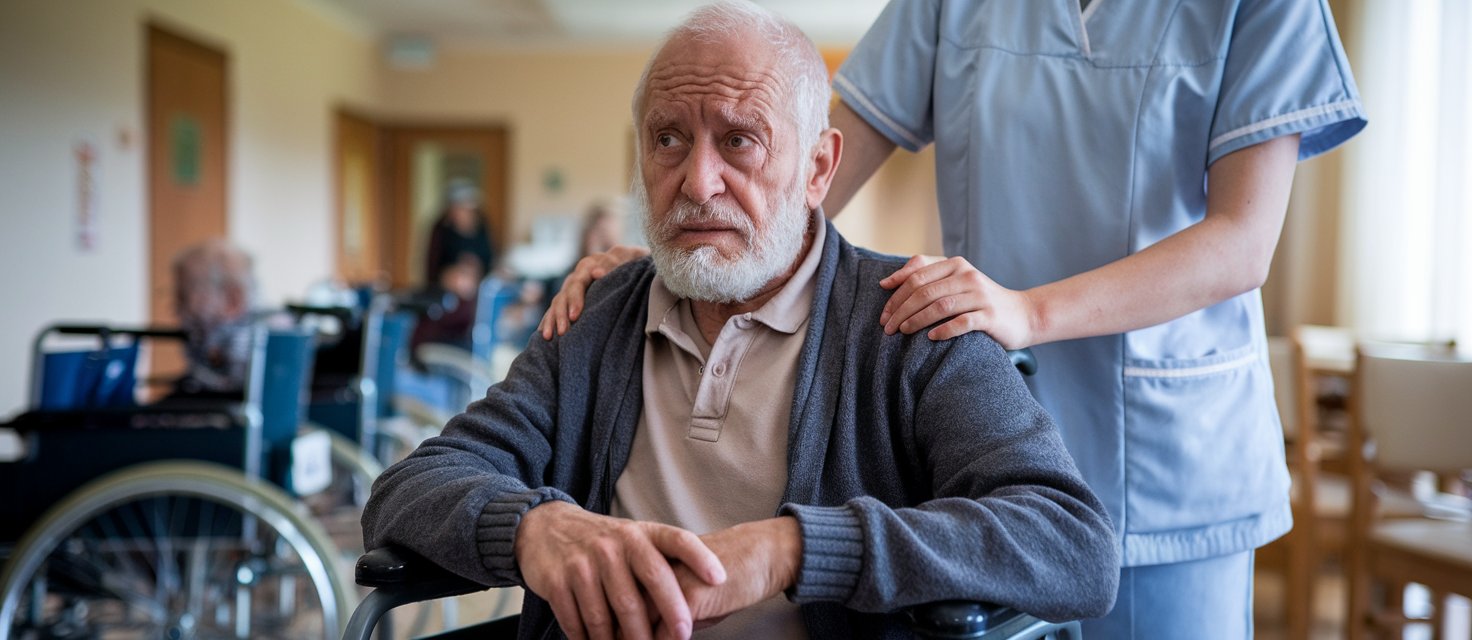
Types of Nursing Home Abuse and Their Warning Signs
Nursing home abuse encompasses a variety of harmful behaviors. The following are some of the most common types of abuse and their warning signs:
Physical Abuse in Brooklyn Nursing Homes
Physical abuse involves the intentional infliction of pain or injury, such as hitting, pushing, or improper use of restraints. Warning signs include:
- Bruises, cuts, or unexplained injuries
- Frequent falls or fractures
- Signs of overmedication or sedation
Emotional and Psychological Abuse in Brooklyn Nursing Homes
Emotional abuse can include yelling, intimidation, or isolating a resident from others. Warning signs may include:
- Sudden withdrawal or depression
- Fearfulness around staff
- Changes in sleep patterns or appetite
Neglect in Brooklyn Nursing Homes
Neglect occurs when caregivers fail to meet a resident’s basic needs, such as hygiene, nutrition, or medical care. Indicators of neglect include:
- Poor personal hygiene
- Malnutrition or dehydration
- Untreated medical conditions, such as bedsores
The Emotional Impact of Nursing Home Abuse
Beyond the physical harm, nursing home abuse takes a significant emotional toll on residents. Victims of abuse often experience anxiety, depression, and feelings of helplessness. For elderly individuals, the psychological impact can exacerbate existing health issues and lead to a decline in overall well-being.
For instance, a Brooklyn resident who endured verbal abuse from caregivers became withdrawn and stopped engaging in social activities. This isolation led to further mental health challenges and negatively impacted their physical health. Recognizing these emotional changes early can help families intervene before the situation worsens.
Addressing emotional abuse is just as important as treating physical injuries. Ensuring that residents have access to mental health support and a safe environment is key to their recovery.
Recognizing Behavioral Changes as a Sign of Abuse
One of the most telling indicators of nursing home abuse is a change in a resident’s behavior. While physical signs of abuse may be more noticeable, behavioral shifts often provide the first clues that something is wrong. Families visiting their loved ones should pay close attention to any unexplained emotional or social changes.
Common behavioral changes include:
- Withdrawal: Residents may stop participating in activities they once enjoyed or avoid interacting with staff and other residents.
- Fear or Anxiety: Visible nervousness, especially around certain caregivers, can indicate mistreatment.
- Outbursts of Anger or Frustration: Abrupt mood changes or irritability may stem from underlying emotional distress caused by abuse.
- Reluctance to Speak: Hesitation to answer questions about their care or living conditions may suggest fear of retaliation.
These behavioral changes may be subtle or gradual, but they are critical warning signs that should not be ignored. Open communication and regular visits are essential to identifying these issues early.
Steps to Take if You Suspect Nursing Home Abuse in Brooklyn
If you suspect your loved one is experiencing abuse or neglect in a nursing home, it’s essential to act quickly. Taking the right steps can protect your loved one and hold the facility accountable for its actions. Here’s what you should do:
Document Your Observations
Keep detailed records of any signs of abuse or neglect, including photographs of injuries, written accounts of conversations with staff, and notes about your loved one’s condition or behavior. This documentation can be invaluable if legal action becomes necessary.
Speak with the Nursing Home Staff
Address your concerns with the facility’s management. Ask for explanations about your observations and request a written care plan for your loved one. Be persistent and ensure your concerns are taken seriously.
Report the Abuse to Authorities
If the facility fails to address your concerns or if the situation is severe, report the abuse to the New York State Department of Health or Adult Protective Services. These agencies can investigate and take action to protect residents.
Consult with Our Attorneys
Contacting an attorney experienced in nursing home abuse cases is crucial. They can guide you through the legal process, ensure your loved one’s rights are protected, and help you pursue compensation for the harm caused.
Legal Recourse for Nursing Home Abuse Victims
Under New York law, nursing home residents have a right to be treated with dignity and respect. When facilities fail to meet their obligations, families have the right to pursue legal action to hold them accountable. This can include filing lawsuits for compensation and demanding systemic changes to prevent future abuse.
Compensation in nursing home abuse cases often covers medical expenses, pain and suffering, and emotional distress. In cases of extreme neglect or abuse, punitive damages may also be awarded to deter similar behavior by the facility in the future.
Legal action is not only about obtaining justice for your loved one but also about protecting other residents from suffering the same fate. By holding negligent facilities accountable, families can drive meaningful change in Brooklyn’s nursing home community.
How Our Lawyers Can Help You and Your Family
At the Law Office of Irene H. Gabo, P.C., we understand the heartbreak and anger that come with discovering a loved one has been subjected to nursing home abuse. Our attorneys are committed to fighting for justice and ensuring that negligent facilities are held accountable for their actions.
Our team thoroughly investigates claims of nursing home abuse, gathering evidence such as medical records, witness statements, and facility reports. We work closely with experts to demonstrate how the abuse or neglect occurred and the harm it caused to your loved one. This comprehensive approach allows us to build a strong case and seek the maximum compensation available under New York law.
If you suspect your loved one has been a victim of nursing home abuse in Brooklyn, contact us today at (800) 560-0214 for a free consultation. Let us guide you through the legal process and help your family achieve justice.
Call the Law Office of Irene H. Gabo, P.C. Today for Help
If you believe your loved one is experiencing abuse or neglect in a Brooklyn nursing home, don’t wait to take action. These cases require prompt attention to protect your loved one and preserve critical evidence. Call the Law Office of Irene H. Gabo, P.C. today at (800) 560-0214 to schedule a free consultation. We’re here to support you and fight for the justice your family deserves.
Frequently Asked Questions About Nursing Home Abuse
What are the most common signs of nursing home abuse?
Common signs include unexplained injuries, sudden behavioral changes, malnutrition, poor personal hygiene, and fearfulness around staff. Subtle clues, like withdrawal from social activities, can also indicate abuse.
What types of abuse occur in nursing homes?
Abuse can take many forms, including physical, emotional, financial exploitation, sexual abuse, and neglect. Each type has unique warning signs, but all require immediate attention and intervention.
How can I confirm my suspicions of abuse?
Start by documenting your observations, speaking with your loved one, and addressing your concerns with the facility’s management. If you suspect serious abuse, report it to the New York State Department of Health or Adult Protective Services.
What should I do if the nursing home denies the abuse?
If the nursing home denies your claims, gather as much evidence as possible and consult an attorney. An experienced legal team can investigate the situation, uncover the truth, and hold the facility accountable.
Can I file a lawsuit for nursing home abuse?
Yes, you can pursue legal action against the nursing home for neglect or abuse. Compensation may cover medical expenses, pain and suffering, emotional distress, and, in severe cases, punitive damages.
What legal protections do nursing home residents have in New York?
New York law mandates that nursing homes provide adequate care and treat residents with dignity. Facilities that fail to meet these standards may face fines, lawsuits, and other legal consequences.
How can I prevent nursing home abuse?
Choose reputable facilities, visit regularly, and maintain open communication with staff. Advocating for policy changes that improve oversight and training in nursing homes can also help prevent abuse.
What role does the Law Office of Irene H. Gabo, P.C. play in nursing home abuse cases?
Our attorneys investigate claims, gather evidence, and build strong cases to hold negligent nursing homes accountable. We aim to secure justice and compensation for families affected by abuse.
How quickly should I act if I suspect abuse?
It’s critical to act immediately if you suspect abuse. Reporting the issue and consulting an attorney as soon as possible can protect your loved one and strengthen your case.