






Has a Loved One Fallen in a Brooklyn Nursing Home?
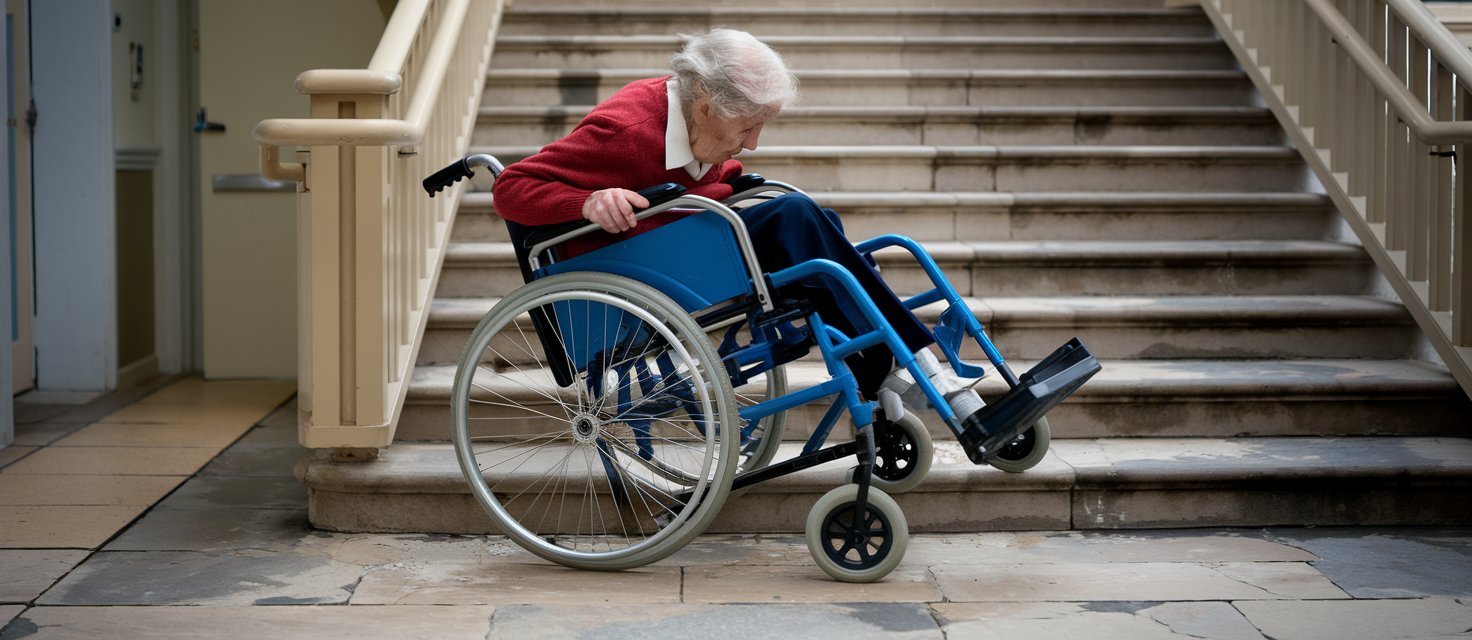
Falls in Brooklyn nursing homes are a serious issue that can lead to devastating injuries, particularly for elderly residents. While some falls are accidental, many result from neglect and inadequate care. Nursing homes abuse in New York should never occur – they have a duty to ensure their residents’ safety, and when they fail to do so, the consequences can be life-altering.
Neglect-related falls are preventable with proper attention, staffing, and safety measures. Families need to be aware of the risks and take action if their loved ones suffer harm due to negligence.
What Causes Falls in Nursing Homes?
Falls in nursing homes often stem from a lack of adequate care or failure to maintain a safe environment. When facilities cut corners or fail to prioritize resident safety, the risk of falls increases significantly.
Common causes of falls include:
- Understaffing: Insufficient staff means residents may not receive the supervision or assistance they need to move safely.
- Environmental hazards: Wet floors, poor lighting, or cluttered walkways create dangerous conditions for residents.
- Improper use of mobility aids: Caregivers may fail to provide or correctly use walkers, wheelchairs, or other assistive devices.
- Medication errors: Overmedication or failure to monitor medication side effects, such as dizziness, can lead to falls.
- Lack of individualized care: Residents with specific needs, such as those recovering from surgery, may not receive tailored support to prevent falls.
Each of these factors represents a failure to meet the basic standards of care required by nursing home facilities. When negligence results in a fall, the nursing home may be held legally accountable for the harm caused.
Injuries Caused by Falls in Nursing Homes
Falls in nursing homes can lead to severe and life-threatening injuries, particularly for elderly residents who may already have fragile bones or other health conditions. These injuries often require extensive medical treatment and can significantly impact the victim’s quality of life.
Common injuries from falls include:
- Fractures: Broken hips, wrists, or arms are common outcomes of falls and can require surgery or prolonged rehabilitation.
- Head trauma: Falls can lead to concussions or traumatic brain injuries (TBIs), which may cause permanent cognitive or physical impairments.
- Spinal cord injuries: Damage to the spine can result in chronic pain or, in severe cases, paralysis.
- Internal bleeding: Falls can cause internal injuries that may not be immediately apparent but can have fatal consequences if untreated.
- Emotional trauma: Fear of falling again can lead to anxiety, depression, and social withdrawal in elderly residents.
These injuries highlight the critical importance of proper care and safety measures in nursing homes. When facilities neglect their responsibilities, residents pay the price with their health and well-being.
Causes and Risk Factors for Neglect-Related Falls
Neglect-related falls in Brooklyn nursing homes often result from systemic issues within the facility, as well as individual caregiver oversight. Understanding the underlying causes and risk factors can help families identify potential red flags and take proactive measures to protect their loved ones.
Key risk factors include:
- Inadequate training: Staff who lack proper training in fall prevention techniques may fail to identify and mitigate risks.
- High staff turnover: Frequent changes in staff can lead to inconsistent care and a lack of familiarity with residents’ specific needs.
- Overcrowding: Facilities with too many residents and too few caregivers may struggle to provide adequate supervision and assistance.
- Medical conditions: Residents with conditions such as Parkinson’s disease, osteoporosis, or dementia are at increased risk of falling without proper care.
- Medication side effects: Drugs that cause dizziness, drowsiness, or loss of balance increase the likelihood of falls if not monitored carefully.
For example, a resident recovering from hip surgery might fall due to inadequate assistance while moving, highlighting the critical need for individualized care plans and attentive supervision.
Preventing Falls in Nursing Homes
Preventing falls in nursing homes requires a comprehensive approach that addresses both environmental and individual factors. Facilities must prioritize resident safety by implementing proactive measures and providing consistent care.
Effective fall prevention strategies include:
- Regular risk assessments: Evaluating each resident’s mobility, health conditions, and medication regimen to identify potential fall risks.
- Maintaining safe environments: Ensuring that hallways are clear of clutter, floors are dry, and lighting is adequate throughout the facility.
- Using proper mobility aids: Providing walkers, canes, or wheelchairs tailored to each resident’s needs and training staff to assist with their use.
- Staff education: Training caregivers in fall prevention techniques and emergency response protocols.
- Encouraging physical activity: Supervising exercise programs that help residents maintain strength, balance, and mobility.
By implementing these strategies, nursing homes can significantly reduce the risk of falls and ensure a safer environment for their residents.
Steps to Take If Your Loved One Falls in a Nursing Home
If your loved one suffers a fall in a Brooklyn nursing home, it is essential to address the situation promptly to prevent further harm and hold the facility accountable if negligence is involved.
What to do after a fall:
- Seek medical attention: Ensure your loved one receives a thorough medical evaluation to identify and treat any injuries.
- Document the incident: Take photographs of injuries, gather witness statements, and request a copy of the nursing home’s incident report.
- Ask questions: Speak with facility management to understand how the fall occurred and whether adequate safety measures were in place.
- Monitor your loved one: Keep track of their recovery and watch for signs of emotional trauma, such as fear or withdrawal.
- Consult an attorney: A nursing home abuse attorney can help you investigate the incident, determine whether negligence was involved, and pursue legal action if necessary.
Taking these steps can help protect your loved one’s health and rights while ensuring accountability for any lapses in care.
Legal Rights and Remedies for Nursing Home Falls
Nursing home residents in Brooklyn have the right to live in a safe environment where their mobility and health needs are adequately addressed. When facilities fail to provide proper care, resulting in preventable falls, residents and their families have legal options to seek justice.
Under New York law, nursing homes are obligated to meet specific care standards, including fall prevention measures. Federal regulations, such as the Nursing Home Reform Act, also require facilities receiving Medicare or Medicaid funding to maintain a safe and healthy environment for residents. Violations of these standards can result in civil liability, regulatory penalties, and even criminal charges in cases of gross negligence.
Legal remedies for neglect-related falls include:
- Compensatory damages: Recovery of medical expenses, rehabilitation costs, and other financial losses resulting from the fall.
- Non-economic damages: Compensation for pain, suffering, and loss of quality of life caused by the injuries.
- Punitive damages: In cases of severe negligence, courts may award punitive damages to penalize the facility and deter future misconduct.
Our attorneys are experienced in handling nursing home neglect cases and can help you understand your legal rights and pursue compensation for your loved one’s injuries.
Pursuing Compensation for Fall-Related Injuries
Falls caused by nursing home neglect can lead to significant physical, emotional, and financial burdens for residents and their families. Filing a legal claim is an essential step in addressing these challenges and ensuring accountability for negligent facilities.
Compensation may cover:
- Medical expenses: Costs for surgeries, hospital stays, physical therapy, and ongoing care required to recover from fall-related injuries.
- Long-term care: Expenses for additional support, such as mobility aids or home health care, necessitated by the injuries.
- Emotional distress: Damages for the psychological impact of the fall, including anxiety, depression, or fear of future falls.
- Pain and suffering: Compensation for the physical and emotional pain endured by the victim.
By pursuing a claim, families can secure financial relief and promote better care standards in Brooklyn nursing homes.
Contact Us for Help with Nursing Home Neglect Cases
If your loved one has suffered a fall due to neglect in a Brooklyn nursing home, Law Office of Irene H. Gabo, P.C. is here to help. We understand the challenges families face in these situations and are dedicated to holding negligent facilities accountable.
Contact us today at (800) 560-0214 for a free consultation. Our team will evaluate your case, explain your legal options, and guide you through every step of the process to ensure your loved one receives the justice and compensation they deserve.
Don’t wait-falls caused by neglect can have serious and lasting consequences. Call the Law Office of Irene H. Gabo, P.C. at (800) 560-0214 or complete our online contact form to get started. Together, we can ensure your loved one’s safety and dignity are protected.
Frequently Asked Questions
What causes falls in nursing homes?
Falls in nursing homes are often caused by understaffing , environmental hazards, medication errors, improper use of mobility aids, and lack of individualized care for residents.
Are falls in nursing homes preventable?
Yes, many falls are preventable with proper staffing, regular risk assessments, safe environments, and appropriate use of mobility aids. Facilities have a duty to implement these measures to protect residents.
What are the most common injuries caused by falls in nursing homes?
Common injuries include fractures (such as broken hips), head trauma, spinal cord injuries, internal bleeding, and emotional trauma such as anxiety or depression.
What should I do if my loved one falls in a nursing home?
Seek medical attention, document the incident, ask the facility for an incident report, monitor your loved one’s recovery, and consult an attorney to investigate whether negligence was involved.
Can nursing homes be held accountable for falls?
Yes, nursing homes can be held accountable if negligence, such as inadequate staffing or unsafe conditions, contributed to the fall. Legal claims can seek compensation and promote accountability.
What compensation is available for fall-related injuries?
Compensation may include medical expenses, rehabilitation costs, pain and suffering, emotional distress, and, in some cases, punitive damages for gross negligence.
How can I prove negligence in a fall case?
Evidence such as medical records, facility incident reports, witness statements, and expert testimony can help establish that the nursing home failed to meet its duty of care.
What is the statute of limitations for nursing home neglect cases in New York?
The statute of limitations is generally three years for personal injury cases in New York, but cases involving government-run facilities may require a Notice of Claim within 90 days.
How can Law Office of Irene H. Gabo, P.C. help with a nursing home fall case?
Our attorneys help victims of nursing home neglect cases. We can investigate the incident, gather evidence, and pursue compensation to ensure justice for your loved one and your family.