







Does Your Loved One Have Pressure Ulcers in a Brooklyn Nursing Home?
Bedsores, also known as pressure ulcers, are a preventable but all-too-common problem in Brooklyn nursing homes. These painful injuries occur when residents are left in one position for too long without adequate care or repositioning. For elderly and vulnerable individuals, bedsores can lead to severe complications, including infections and even death.
Nursing homes have a duty to ensure the health and safety of their residents, which includes taking steps to prevent bedsores. Unfortunately, neglect and understaffing often result in residents developing these injuries. Understanding the causes, risks, and legal options available can help families protect their loved ones and seek justice when negligence occurs.
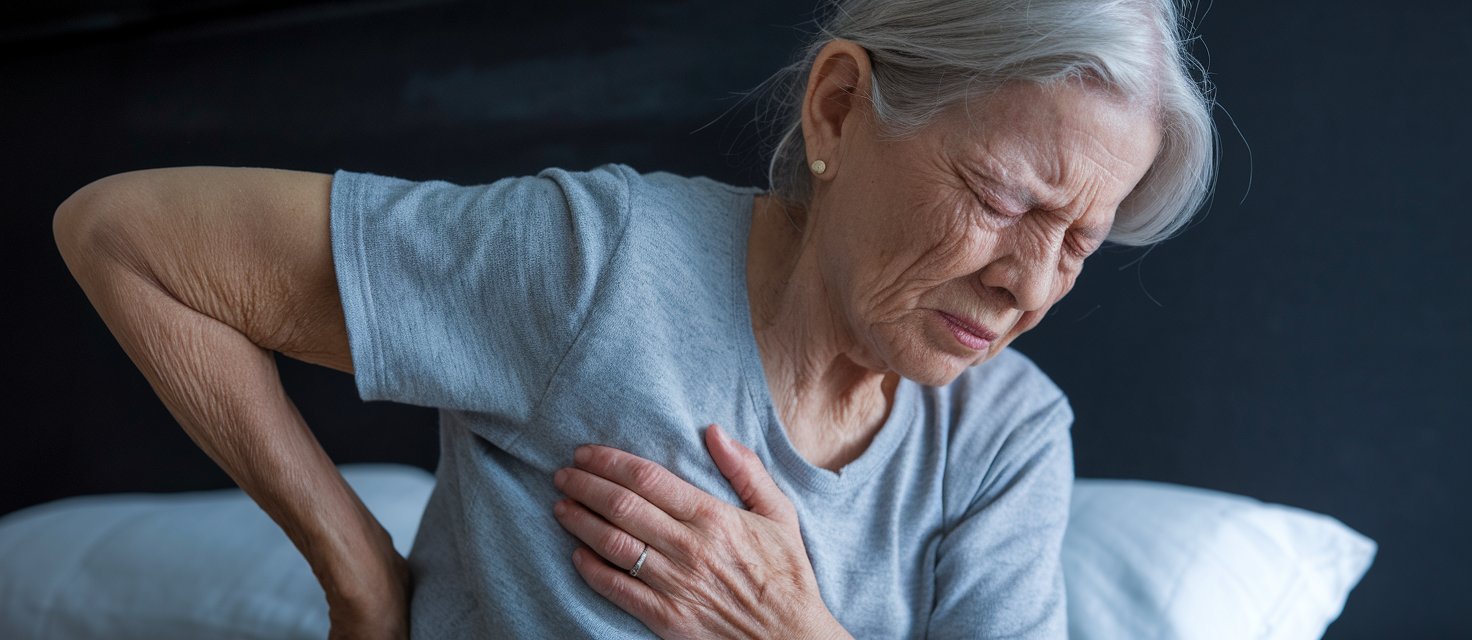
What Are Bedsores?
Bedsores are injuries to the skin and underlying tissue caused by prolonged pressure on the skin. They often develop in areas where the skin is close to the bone, such as the hips, heels, tailbone, and elbows. These injuries progress through four stages, from mild skin redness to deep wounds that expose muscle or bone.
For example, a nursing home resident in Brooklyn confined to a wheelchair might develop a bedsore on their lower back due to improper repositioning. Left untreated, the wound can become infected and lead to serious health complications, including sepsis.
Preventing bedsores requires consistent monitoring, regular repositioning, and proper hygiene. When these basic care practices are neglected, residents are at significant risk of developing these painful and life-threatening injuries.
Signs and Symptoms of Bedsores
Families visiting loved ones in nursing homes should be aware of the warning signs of bedsores. Early detection can make a significant difference in preventing further complications.
Common symptoms include:
- Redness or discoloration: Areas of the skin that appear red, purple, or darkened may indicate early-stage bedsores.
- Swelling: Puffiness or inflammation around pressure points can be a sign of developing sores.
- Open wounds: Advanced bedsores may appear as open sores, sometimes with visible muscle or bone.
- Pain or tenderness: Residents may complain of discomfort in areas where bedsores are forming.
- Signs of infection: Foul odors, pus, or fever may signal an infected bedsore that requires immediate medical attention.
By recognizing these signs and addressing them promptly, families can help ensure their loved ones receive the necessary care to prevent worsening injuries.
Causes of Bedsores in Nursing Homes
Bedsores are a clear indicator of neglect in nursing homes, often stemming from inadequate staffing, poor training, and improper care practices. When caregivers fail to meet basic standards of care, residents are left vulnerable to these painful injuries.
Common causes include:
- Failure to reposition residents: Immobile residents must be turned or repositioned regularly to relieve pressure on vulnerable areas. Neglecting this basic practice is one of the leading causes of bedsores.
- Poor hygiene: Infrequent bathing or changing of soiled bedding can exacerbate skin breakdown, creating the perfect environment for bedsores to develop.
- Inadequate nutrition and hydration: Proper nutrition and hydration are essential for maintaining healthy skin. Malnourished or dehydrated nursing home residents are at a higher risk of developing pressure ulcers.
- Lack of staff training: When nursing home staff are not trained to recognize or prevent bedsores, they may overlook early warning signs of abuse and neglect, leading to more severe injuries.
For example, a Brooklyn nursing home resident with limited mobility may develop a bedsore on their tailbone due to being left in a wheelchair for extended periods without repositioning. These situations underscore the importance of adequate staffing and attention to residents’ needs.
Health Risks and Complications of Bedsores
While bedsores are often dismissed as minor injuries, their complications can be life-threatening if left untreated. Advanced-stage pressure ulcers can lead to infections, chronic pain, and permanent tissue damage.
Potential complications include:
- Infections: Untreated bedsores can become infected, leading to cellulitis, sepsis, or even bone infections (osteomyelitis).
- Gangrene: Severe cases of tissue death caused by infection or lack of blood flow can require amputation.
- Chronic wounds: Deep bedsores may never fully heal, resulting in ongoing pain and the need for specialized care.
- Reduced mobility: Pain and damage from bedsores can make it harder for residents to move, increasing their dependence on caregivers.
For families in Brooklyn, these risks highlight the need for proactive care and swift intervention to address bedsores. If you suspect your loved one is suffering from these injuries due to neglect, it is important to take action immediately.
Steps to Take If Your Loved One Has Bedsores
If you discover that your loved one has developed bedsores in a Brooklyn nursing home, it is essential to address the issue promptly to prevent further harm. Early intervention can help mitigate the damage and hold the facility accountable for neglect.
What to do:
- Document the condition: Take photographs of the affected areas, note any visible signs of neglect, and keep records of your loved one’s medical treatment and complaints.
- Report the issue: Notify the nursing home administration and demand immediate action to improve care. You can also file a complaint with the New York State Department of Health.
- Seek medical care: Ensure your loved one receives proper medical attention, including wound care, pain management, and treatment for any infections.
- Consult with an attorney: A legal professional experienced in nursing home neglect cases can help you pursue compensation for medical expenses, pain and suffering, and other damages caused by the facility’s negligence. Call Irene Garbo today for a free consultation at (800) 560-0214.
By taking these steps, families can advocate for their loved one’s health and well-being while holding negligent nursing homes accountable for their failures.
Legal Rights for Nursing Home Residents in Brooklyn
Nursing home residents in Brooklyn have the right to live in a safe environment where they receive proper care and attention. When facilities fail to meet these obligations, resulting in bedsores or other injuries, families have legal recourse to hold them accountable.
Under New York law, nursing homes are required to provide adequate care, including measures to prevent bedsores. Federal regulations, such as the Nursing Home Reform Act, also mandate that facilities maintain residents’ quality of life and protect them from neglect. Violations of these laws can result in penalties, lawsuits, and other corrective actions.
If a resident develops bedsores due to neglect, families can pursue legal action to seek compensation for medical expenses, pain and suffering, and other damages. Additionally, legal action can drive systemic changes, ensuring that other residents are protected from similar harm.
Our firm has extensive experience in representing victims of nursing home neglect and can guide you through the legal process to ensure your loved one’s rights are upheld.
Pursuing Compensation for Bedsores
Victims of neglect resulting in bedsores are entitled to compensation for the harm they have suffered. Legal claims can help cover the costs of treatment, address the emotional abuse impact on residents, and hold facilities accountable for their negligence.
Compensation may include:
- Medical expenses: Costs for wound care, surgeries, hospitalization, and rehabilitation.
- Non-economic damages: Compensation for pain, suffering, and loss of quality of life caused by the injuries.
- Punitive damages: In cases of gross negligence, courts may award punitive damages to penalize the facility and deter future misconduct.
By pursuing compensation, families not only secure financial relief but also contribute to improving care standards in nursing homes across Brooklyn. Our attorneys are dedicated to helping you achieve justice and ensure that your loved one receives the support they need.
Contact Us for Help with Nursing Home Neglect Cases
If your loved one has developed bedsores in a Brooklyn nursing home, you don’t have to face this situation alone. Law Office of Irene H. Gabo, P.C. is here to help you hold negligent facilities accountable and secure the compensation your family deserves.
Contact us today at (800) 560-0214 for a free consultation. Our team will evaluate your case, explain your legal options, and guide you through the process of pursuing justice for your loved one. With our help, you can take the necessary steps to protect their health and well-being.
Don’t wait-bedsores are a clear sign of neglect that must be addressed promptly. Call the Law Office of Irene H. Gabo, P.C. or complete our online contact form to get started. Together, we can ensure that nursing homes in Brooklyn meet the standards of care every resident deserves.
Frequently Asked Questions
What are bedsores?
Bedsores, also known as pressure ulcers, are injuries to the skin and underlying tissue caused by prolonged pressure on certain areas of the body. They commonly occur on bony areas like the hips, tailbone, and heels.
What causes bedsores in nursing homes?
Bedsores are often caused by neglect, including failure to reposition immobile residents, poor hygiene, inadequate nutrition or hydration, and insufficient staff attention to residents’ needs.
What are the stages of bedsores?
Bedsores progress through four stages: Stage 1 involves redness and irritation, Stage 2 includes skin breakdown, Stage 3 exposes deeper tissues, and Stage 4 can expose muscles or bones, often accompanied by infection.
How can families identify bedsores in nursing home residents?
Common signs include redness, swelling, open wounds, foul odors, pain or tenderness, and signs of infection like pus or fever. Regularly inspecting your loved one’s skin can help detect bedsores early.
What health risks do bedsores pose?
Untreated bedsores can lead to serious complications such as infections, sepsis, gangrene, and chronic pain. In severe cases, they can result in permanent disability or even death.
Are bedsores preventable?
Yes, bedsores are largely preventable with proper care. This includes regular repositioning, maintaining hygiene, providing adequate nutrition and hydration, and monitoring residents’ skin condition closely.
What should I do if my loved one has bedsores in a Brooklyn nursing home?
If you discover bedsores, document their condition, report the issue to nursing home management, and seek medical care for your loved one. Consider consulting an attorney to address potential neglect or abuse.
Can nursing homes be held accountable for bedsores?
Yes, nursing homes can be held liable if bedsores result from neglect or inadequate care. Legal action can help recover damages and hold the facility accountable for failing to meet care standards.
What compensation is available for bedsores caused by nursing home neglect?
Victims may be entitled to compensation for medical expenses, pain and suffering, emotional distress, and punitive damages in cases of severe neglect or misconduct.
How can The Law Office of Irene H. Gabo, P.C. help with bedsore cases?
Our attorneys fight for seniors in nursing home abuse cases, including those involving bedsores. We can help investigate the situation, gather evidence, and pursue compensation to ensure justice for your loved one.