



Protecting Brooklyn Seniors: Nursing Home Abuse Lawyers
Brooklyn’s nursing homes are meant to provide a safe haven for elderly and vulnerable residents, offering care and dignity in their twilight years. However, some facilities fall tragically short of this ideal, exposing residents to abuse, neglect, and mistreatment. When the safety and well-being of loved ones are compromised, families deserve answers and justice. Our Brooklyn nursing home abuse lawyers fight for your loved ones.
From cases of malnutrition in nursing homes to financial exploitation in nursing homes, abuse is a pervasive issue that affects thousands across New York each year. Our firm is dedicated to advocating for victims and holding negligent facilities accountable for the harm they cause. Understanding the different forms of abuse and recognizing the warning signs of nursing home abuse can help families take the necessary steps to protect their loved ones.
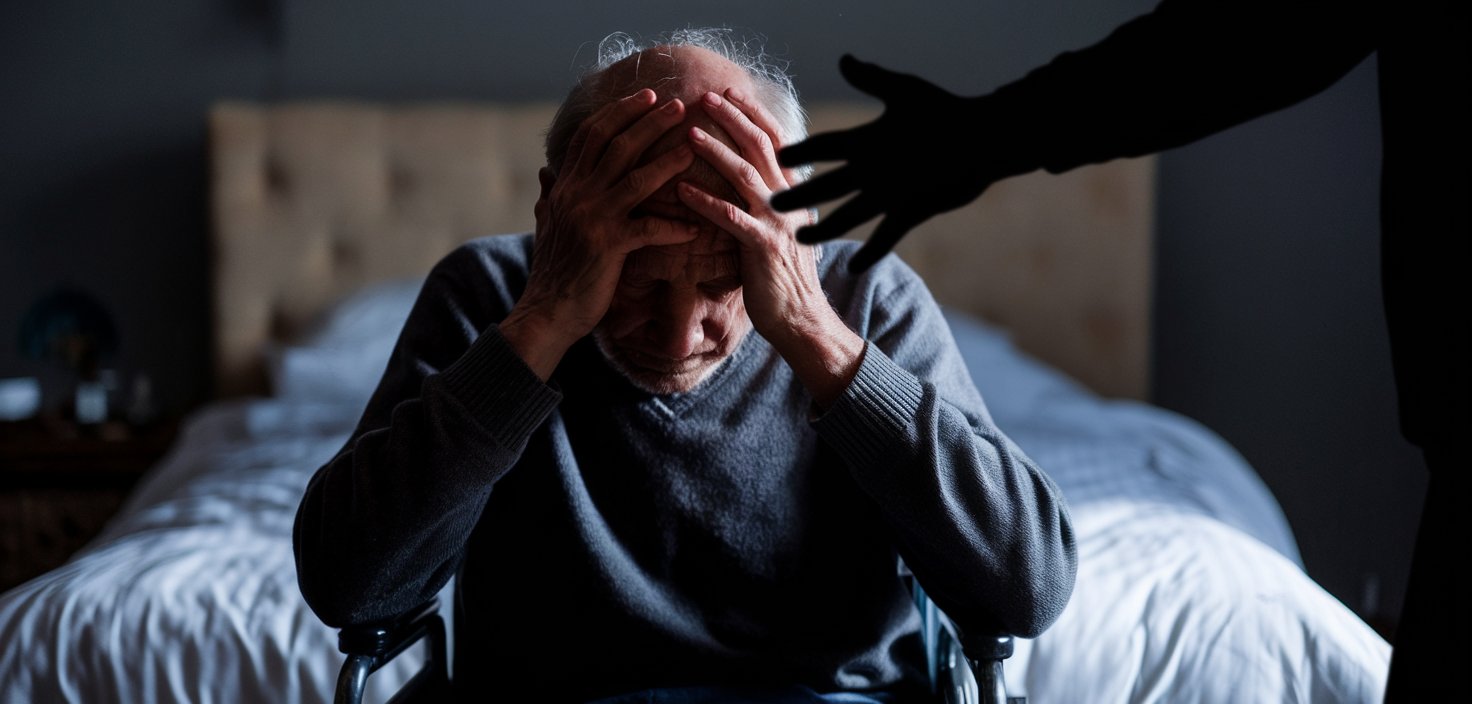
What Constitutes Nursing Home Abuse?
Nursing home abuse encompasses a wide range of harmful actions or neglect, intentionally or unintentionally inflicted on residents. It can take the form of physical harm, emotional torment, financial exploitation, or basic neglect of essential needs. Unfortunately, many cases go unreported, leaving victims without the help they need.
Abuse can be physical, such as hitting or improper restraint; emotional, including verbal threats or isolation in a nursing home facility; or financial, such as theft of personal belongings or misuse of funds. Additionally, neglect-like failing to provide proper hygiene, nutrition, or medical care-is a common and equally damaging issue in some nursing homes.
For example, a Brooklyn nursing home resident developed severe bedsores because staff ignored their basic needs for repositioning. In another instance, families reported stolen valuables, a sign of financial exploitation. These are just some of the situations that demonstrate the urgent need for oversight and legal recourse.
Common Types of Nursing Home Abuse
- Physical abuse: Includes hitting, shoving, improper use of restraints, and other acts that cause physical harm.
- Emotional or psychological abuse: Verbal insults, intimidation, isolation, or humiliation.
- Sexual abuse: Non-consensual acts or harassment, particularly among vulnerable residents.
- Financial exploitation: Theft, fraudulent billing, or unauthorized access to personal funds.
- Neglect: Failing to provide proper hygiene, medication, or nutritional care.
Recognizing each of these forms of abuse is critical to protecting residents. Physical injuries, sudden emotional changes, and financial irregularities are warning signs families should not ignore.
The Devastating Effects of Nursing Home Neglect
Neglect is one of the most common and harmful forms of abuse, leading to serious health problems and even death. Residents who do not receive proper care often suffer from dehydration, malnutrition, and untreated medical conditions. For instance, untreated infections can lead to sepsis, a life-threatening condition that could have been prevented with timely intervention.
In Brooklyn, some facilities have faced allegations of failing to staff adequately, leaving residents without basic assistance. This lack of care often results in falls, bedsores, and a rapid decline in overall health. The psychological impact of neglect, including feelings of abandonment and loss of dignity, can be equally severe.
Addressing neglect requires immediate action. Family members must stay vigilant, document concerns, and report suspected issues to authorities. Our firm can guide you through this process to ensure your loved one’s rights are upheld.
Injuries Commonly Linked to Nursing Home Abuse
Nursing home abuse can result in severe physical and emotional injuries that drastically affect the quality of life for residents. These injuries often require extensive medical care, leading to financial strain for families and long-term health challenges for victims.
Frequent injuries in nursing home abuse cases include:
- Broken bones and fractures: These are often the result of falls in a nursing home or improper handling by staff. Elderly residents are particularly susceptible to fractures due to osteoporosis and other age-related conditions.
- Pressure sores: Also known as bedsores, these injuries develop when residents are left in one position for too long without assistance. Severe cases can lead to infections and sepsis.
- Dehydration and malnutrition: Signs include significant weight loss, weakness, and confusion, often caused by neglect in providing adequate meals and hydration.
- Medication errors: Overmedication or incorrect dosages can lead to adverse drug reactions and long-term health complications.
- Head trauma: Falls due to neglect or lack of supervision often result in traumatic brain injuries or concussions.
Each of these injuries can have lasting effects on a resident’s health and well-being. Addressing these cases promptly with legal intervention can prevent further harm and secure compensation for damages.
Understanding the Causes of Nursing Home Abuse
The underlying causes of nursing home abuse are often linked to systemic issues within the facility. These include understaffing, lack of proper training, and inadequate oversight by management. Financial pressures on nursing home operators can also lead to cost-cutting measures that compromise resident care.
Key contributing factors include:
- Understaffing: When there are too few caregivers for the number of residents, essential tasks such as feeding, bathing, and repositioning residents are often neglected.
- Inadequate training: Staff who are not trained to handle specific needs, such as dementia care, may resort to harmful practices or fail to address residents’ health issues.
- Burnout: Overworked staff can become stressed, leading to neglect or abusive behavior.
- Poor management: Administrators who fail to implement proper protocols or address complaints contribute to a culture of neglect.
In Brooklyn, facilities facing these challenges often experience higher rates of complaints and legal actions. Our attorneys work tirelessly to hold these institutions accountable and improve standards of care.
Recognizing Signs of Abuse and Neglect
Family members play a crucial role in identifying and addressing nursing home abuse. Often, residents are unable or afraid to report mistreatment themselves, making it essential for loved ones to stay vigilant for warning signs.
Common indicators of abuse include:
- Behavioral changes: Fear, anxiety, or sudden withdrawal from social activities can signal emotional abuse or neglect in the nursing home.
- Unexplained injuries: Bruises, fractures, or burns that lack a clear explanation should raise immediate concerns.
- Unsanitary conditions: Signs such as dirty bedding, poor personal hygiene in the nursing home, or unclean living spaces point to neglect.
- Financial irregularities: Missing valuables, sudden changes in bank accounts, or unexplained charges may indicate financial exploitation.
If you suspect abuse, it’s important to document your observations and report them promptly. Speaking with our team can help you navigate the process and ensure your loved one’s safety.
Steps to Take if You Suspect Nursing Home Abuse
If you believe your loved one is experiencing abuse or neglect in a Brooklyn nursing home, immediate action is crucial. Reporting the issue and seeking legal support can help protect the victim and hold the facility accountable.
Steps to address suspected abuse:
- Document evidence: Take photographs of visible injuries, unsanitary conditions, or anything else that raises concerns. Keep detailed notes of incidents, conversations, and observations.
- Report to authorities: File a report with New York’s Adult Protective Services or the New York State Attorney General’s office. These agencies are equipped to investigate and address such claims.
- Seek medical attention: Ensure that the victim receives proper medical care for any injuries or illnesses caused by the abuse. A healthcare provider’s documentation can serve as evidence.
- Consult our firm: Our attorneys can evaluate your case, help gather evidence, and pursue compensation on behalf of the victim. Legal intervention is often necessary to enforce accountability and secure justice.
Acting quickly can make a significant difference in preventing further harm and ensuring your loved one’s rights are upheld.
Pursuing Compensation for Victims of Nursing Home Abuse
Victims of nursing home abuse and neglect in Brooklyn have the right to seek compensation for the harm they have suffered. These damages can help cover medical expenses, provide for necessary ongoing care, and compensate for pain and suffering.
Types of compensation available:
- Economic damages: These include medical bills, rehabilitation costs, and financial losses due to theft or fraud.
- Non-economic damages: Victims can seek compensation for emotional distress, loss of dignity, and diminished quality of life.
- Punitive damages: In cases of gross negligence or intentional harm, punitive damages may be awarded to deter future misconduct.
In cases of wrongful death, surviving family members may also pursue legal action to address the loss of their loved one. Our attorneys can help navigate this challenging process with care and professionalism.
Preventing Nursing Home Abuse in Brooklyn
Prevention is the most effective way to combat nursing home abuse and protect vulnerable residents. Families, advocacy groups, and government agencies must work together to ensure that facilities meet high standards of care.
Key prevention strategies include:
- Screen nursing homes carefully: Research state databases for facility ratings, reviews, and histories of violations.
- Visit regularly: Frequent, unannounced visits can help ensure that your loved one is receiving proper care and discourage neglect.
- Build relationships with staff: Positive interactions with caregivers can encourage accountability and collaboration.
- Advocate for reforms: Support legislation that increases oversight, mandates staff training, and enhances protections for residents.
Taking these steps can significantly reduce the risk of abuse and improve the quality of life for nursing home residents in Brooklyn.
The Role of Law Office of Irene H. Gabo, P.C. in Nursing Home Abuse Cases
At the Law Office of Irene H. Gabo, P.C., we are committed to standing up for nursing home abuse victims and their families. Our attorneys understand the complex legal, emotional, and logistical challenges these cases present, and we work tirelessly to provide compassionate, effective representation.
How we assist:
- Conduct thorough investigations to gather evidence of abuse or neglect.
- Work with medical and financial experts to build a strong case for compensation.
- Advocate for reforms at negligent facilities to prevent future harm.
By holding nursing homes accountable, we aim to secure justice for victims and promote safer environments for all residents.
Contact Us for Help with Nursing Home Abuse in Brooklyn
If your loved one has been a victim of nursing home abuse or neglect in Brooklyn, you don’t have to face this situation alone. Law Office of Irene H. Gabo, P.C. is here to help you navigate the legal process and ensure your family receives the justice and compensation you deserve.
Contact us today at (800) 560-0214 to schedule a free consultation. Our team will review your case, explain your legal options, and provide the guidance you need during this challenging time. Together, we can work toward a resolution that holds negligent parties accountable and protects vulnerable residents from future harm.
Don’t wait – call the Law Office of Irene H. Gabo, P.C. or complete our online form to get started. Let us help you make a difference for your loved one and others in our community.
Frequently Asked Questions
What is nursing home abuse?
Nursing home abuse involves intentional or unintentional harm caused to residents by caregivers, staff, or other individuals. It can include physical harm, emotional abuse, financial exploitation, neglect, or sexual abuse.
What are common signs of nursing home abuse?
Signs include unexplained injuries, sudden behavioral changes, fear or anxiety around staff, malnutrition, unsanitary living conditions, and financial irregularities. Observing these warning signs is critical to identifying potential abuse.
How common is nursing home abuse in Brooklyn?
Nursing home abuse is a widespread issue, with thousands of cases reported annually across New York State. However, many cases go unreported, making it essential for families to remain vigilant.
What types of injuries are commonly associated with nursing home abuse?
Common injuries include bruises, broken bones, bedsores, malnutrition, dehydration, head trauma, and infections. In severe cases, abuse can lead to long-term disabilities or wrongful death.
What should I do if I suspect nursing home abuse?
If you suspect abuse, document evidence, report the issue to the facility administration, and file a complaint with the New York State Department of Health or Adult Protective Services. Consulting an attorney can help you take legal action.
Who can be held accountable for nursing home abuse?
Nursing home facilities, staff members, administrators, and in some cases, other residents or third parties can be held accountable for abuse. Legal claims may target individuals or the facility itself for negligence or misconduct.
What legal options are available for nursing home abuse victims?
Victims and their families can file civil lawsuits to seek compensation for medical expenses, pain and suffering, and other damages. Punitive damages may also be awarded in cases of gross negligence or intentional harm.
How can families prevent nursing home abuse?
Preventive steps include carefully researching facilities, visiting regularly, building relationships with staff, and monitoring the resident’s physical, emotional, and financial well-being. Being actively involved helps reduce the risk of abuse.
What is the statute of limitations for nursing home abuse cases in New York?
The statute of limitations for filing a lawsuit varies depending on the type of claim but is generally three years for personal injury cases. Cases involving government-run facilities may have shorter deadlines, requiring a Notice of Claim within 90 days.
How can Law Office of Irene H. Gabo, P.C. help with nursing home abuse cases?
Our firm helps victims in nursing home abuse cases and can help investigate claims, gather evidence, and pursue compensation. We’re committed to holding negligent parties accountable and ensuring justice for victims and their families.