Trip and Fall Risks at LeFrak Center at Lakeside
The LeFrak Center at Lakeside in Prospect Park is a year-round recreational facility offering activities like ice skating, roller skating, and seasonal events that draw large crowds. While the center is a popular destination, it presents specific trip and fall risks due to high-traffic areas, wet or icy surfaces, and frequently changing conditions. Visitors may encounter hazards ranging from slippery pathways near rink entrances to uneven flooring that can lead to accidents.
Like any public venue, LeFrak Center ensures that pathways and activity areas are well-maintained and free from hazardous conditions. However, given the center’s popularity and the variety of activities it hosts, these risks are heightened. Knowing what to do if you are injured in a trip and fall accident at LeFrak Center can be essential to protecting your rights and obtaining compensation for your injuries.
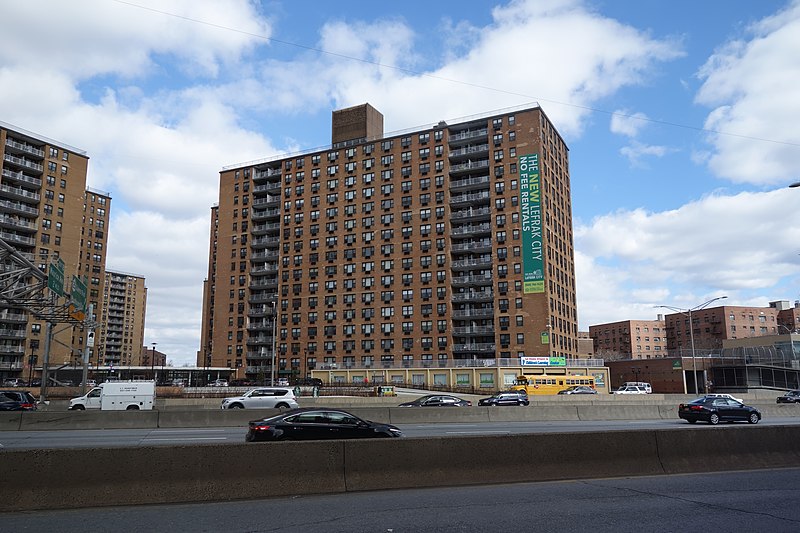
Image from Wikimedia.org
Injuries Frequently Seen in Trip and Fall Accidents
Trip and fall accidents can lead to a range of injuries, from minor bruises to severe trauma requiring medical intervention. Common injuries resulting from trip and fall accidents in recreational areas include:
- Fractures and sprains: Falls onto hard surfaces often lead to broken bones, particularly in the wrists, ankles, or hips, which may require surgery or extended recovery time.
- Head injuries: Concussions and other traumatic brain injuries can occur if a person strikes their head during a fall, potentially resulting in long-lasting cognitive effects.
- Soft tissue injuries: Sprains, strains, and other soft tissue injuries can be painful and may need physical therapy for a full recovery.
These injuries can impact mobility, quality of life, and ability to work, leading to financial strain from medical bills and lost income. If these injuries were due to negligence, seeking compensation can help cover the costs associated with recovery and long-term care.
Common Causes of Trip and Fall Accidents in Recreation Centers
In busy recreation centers like LeFrak, trip, and fall accidents are often caused by various environmental and maintenance-related factors. Common causes of these accidents include:
- Wet or icy surfaces: Ice rinks and entrances often have wet floors due to melted ice, which can make pathways slippery and increase the risk of falls.
- Uneven or cracked flooring: High foot traffic can lead to wear and tear on floors, resulting in uneven surfaces or cracks that pose trip hazards.
- Poorly marked steps and curbs: In dimly lit areas or zones with steps that aren’t marked, visitors may easily miss a step and fall.
- Personal belongings and equipment: Items like skates, bags, and rental equipment left on the floor can create obstacles in crowded areas.
While some of these hazards are part of the recreational experience, LeFrak Center is responsible for regularly inspecting, maintaining, and addressing unsafe conditions to prevent accidents. Injured individuals may have grounds for a legal claim if the facility fails to uphold these standards.
Premises Liability for Public Recreation Facilities in New York
Under New York’s premises liability laws, operators of public facilities like the LeFrak Center at Lakeside have a legal duty to maintain safe conditions for visitors. This duty includes regular inspections, addressing hazardous conditions, and providing adequate warnings when areas pose a risk. Failure to meet these responsibilities can result in liability for injuries sustained by visitors.
For instance, if floors around the ice rink are routinely wet and slippery, the facility must take reasonable steps to prevent falls, such as placing caution signs, ensuring proper drainage, and maintaining non-slip surfaces. When facility operators are aware of potential hazards but do not act to prevent accidents, injured parties may be entitled to pursue a claim under premises liability law.
To establish liability in a trip and fall case at LeFrak Center, the injured party must prove that the facility was negligent in maintaining safe conditions. This requires identifying the responsible parties, including facility management, contracted maintenance crews, or even third-party vendors, if the hazard was related to their equipment or operations.
Evidence is critical in proving negligence. For example, documentation of hazardous conditions, such as photos of wet floors or broken steps, can substantiate a claim. Maintenance logs, inspection records, and witness statements may also reveal lapses in safety protocols that contributed to the accident.
Filing a Claim for Injuries in a Public Recreation Facility
After a trip and fall accident at LeFrak Center, the injured party may file a personal injury claim to seek compensation for damages. The first step in this process is to gather all necessary documentation, including medical records, photos of the accident site, incident reports filed with facility staff, and witness statements. Detailed documentation can provide a strong foundation for a successful claim.
Our attorneys can also help assess the damages incurred, including medical expenses, lost income, and compensation for pain and suffering. In cases involving public recreational facilities, legal guidance ensures that procedural requirements are met, timelines are observed, and the claim is supported with the appropriate evidence.
Filing a claim promptly is important, as delays can weaken the case and risk the loss of key evidence. By consulting with an experienced premises liability attorney, injured individuals improve their chances of a favorable outcome and secure the compensation they deserve.
Statute of Limitations for Trip and Fall Cases in New York
In New York, the statute of limitations for filing a personal injury lawsuit after a trip and fall accident is generally three years from the date of the injury. This time limit applies to cases involving private and certain public facilities, like the LeFrak Center. Fitting within this timeframe typically results in losing the right to pursue compensation.
Three years might seem like ample time, but acting quickly to preserve evidence and ensure accurate witness statements is critical. If the facility is city-owned or operated by a government agency, additional requirements may apply, such as filing a Notice of Claim within 90 days. Consulting an attorney promptly ensures you meet all deadlines and helps you build a strong case.
Acting within the statute of limitations also improves the likelihood of gathering effective evidence and securing compensation for your injuries. Working with an attorney ensures your rights are protected, and all procedural requirements are met on time.
Proving Negligence in Recreation Center Trip and Fall Cases
To win a trip and fall case, the injured party must prove that the LeFrak Center was negligent, demonstrating four key elements: duty of care, breach of duty, causation, and damages. As a public facility, the center must maintain a safe environment for all visitors, including regular inspections and promptly addressing hazards.
Evidence is essential in proving negligence. Photographs of the hazard, witness statements, and maintenance records can help show how a specific breach of duty led to the injury. For example, if a visitor slips on an unmarked wet floor near the rink, this may indicate negligence if the center fails to provide adequate warnings.
In certain cases, expert testimony on safety standards may be useful in establishing that the facility’s practices fell short of what is reasonably expected. With well-documented evidence and a clear link between the breach and the injury, victims can strengthen their case and improve their chances of compensation.
Recoverable Damages in a Trip and Fall Claim
Trip and fall victims may seek various types of compensation, depending on the extent of their injuries and the impact on their daily lives. Common types of recoverable damages include:
- Medical expenses: Coverage for emergency care, hospital stays, medications, and any necessary physical therapy.
- Lost wages: Compensation for income lost due to missed work, as well as diminished future earning capacity if the injury affects long-term employment prospects.
- Pain and suffering: Damages for physical pain, emotional distress, and the negative impact on quality of life caused by the injury.
For severe injuries, additional damages may be awarded to cover long-term care needs or adaptations to one’s home or lifestyle. In New York, contributory negligence may affect the compensation awarded; if the injured party is found partially responsible for their accident, their compensation may be reduced proportionally. A skilled attorney can help assess potential damages and work to maximize recovery based on the full scope of your injuries.
Steps to Take After a Trip and Fall Accident at LeFrak Center
Taking the proper steps immediately after a trip and fall accident at the LeFrak Center at Lakeside can help protect your health and strengthen any potential legal claim. Here are essential actions to consider:
1. Seek Medical Attention: Your health is the top priority, so get medical care promptly, even if injuries seem minor. Some conditions, like head or internal injuries, may not be immediately visible. Documenting your injuries with a healthcare provider can also provide valuable evidence if you pursue a claim.
2. Report the Incident: Notify the LeFrak Center staff or management about the accident and request that an incident report be completed. This document is an official accident record and can support your claim by establishing the fall’s location, time, and circumstances. Ask for a copy of the report if possible.
3. Gather Evidence: If you can, take photos or videos of the area where you fell, including any hazards like wet floors, uneven surfaces, or insufficient lighting. Collect the contact information of any witnesses who saw the accident or can provide statements about the conditions at the center.
4. Consult with Our Attorneys: Working with a lawyer experienced in premises liability cases can be crucial in navigating the legal process and strengthening your claim. An attorney can help you gather additional evidence, comply with deadlines, and build a case to pursue compensation for medical bills, lost wages, and other expenses.
These steps protect your well-being and help preserve key evidence, making it easier to hold the responsible parties accountable for your injuries.
The Law Office of Irene H. Gabo, P.C. Can Assist You with Your Trip and Fall Case at LeFrak Center
Trip and fall cases in public recreation facilities like the LeFrak Center require detailed knowledge of New York premises liability law and experience handling cases with complex liability issues. At the Law Office of Irene H. Gabo, P.C., our attorneys have the skills and experience to support clients injured at public venues and protect their rights.
Our team will work diligently to investigate your accident’s circumstances, gather essential evidence, and build a compelling case to pursue the compensation you deserve. From filing paperwork and negotiating with insurers to representing you in court if needed, we are here to guide you through every step of the process.
If you or a loved one has suffered a trip and fall injury at the LeFrak Center, Contact the Law Office of Irene H. Gabo, P.C. today at (800) 560-0214 or fill out our online form to schedule a consultation. Our attorneys are committed to helping you understand your legal options and work toward a fair resolution for your case.

Irene H. Gabo is a dedicated personal injury attorney based in Brooklyn, specializing in a wide range of personal injury cases. With over a decade of experience, she has successfully represented thousands of clients who have suffered injuries from motor vehicle accidents, construction incidents, dog bites, and medical malpractice. Known for her expertise and commitment, Ms. Gabo has recovered millions of dollars for her clients, ensuring they receive the justice and compensation they deserve. If you or a loved one has been injured in Brooklyn, reach out to Irene for a free consultation and expert guidance on your personal injury claim.