







Why Choose Law Office of Irene H. Gabo, P.C. as Your Great Neck Slip and Fall Accident Lawyers?
Slip and fall accidents can lead to serious injuries, often leaving victims with extensive medical bills, lost wages, and ongoing physical challenges. When property owners neglect to maintain safe conditions, they can be held accountable. The Great Neck slip and fall accident lawyers at the Law Office of Irene H. Gabo, P.C. are dedicated to advocating for those injured due to unsafe premises, ensuring that victims receive the compensation they need to recover.
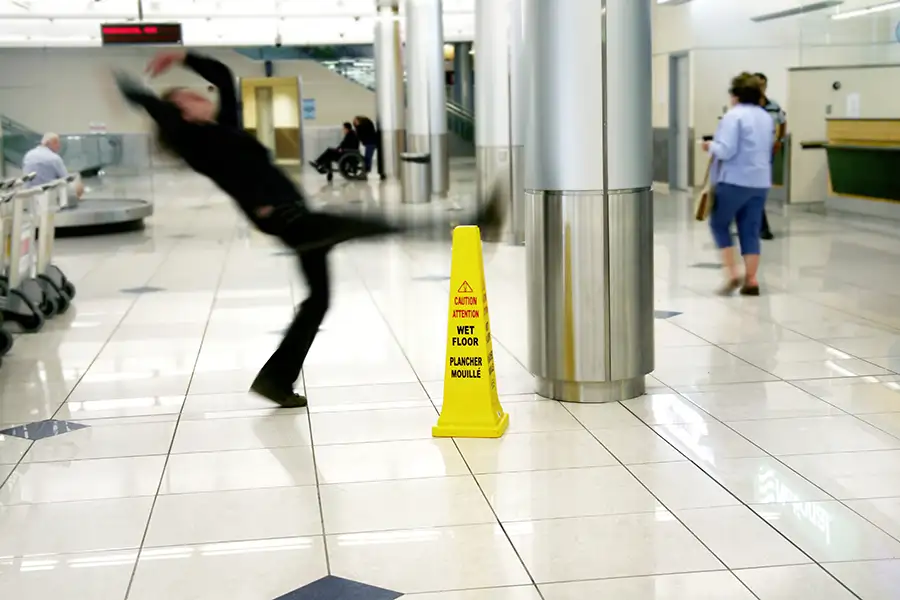
Our team understands the complexities of slip and fall cases, including the standards for proving negligence and the evidence needed to build a strong claim. Whether you were injured in a store, a restaurant, a public venue, or an office building, we have the experience to guide you through the legal process, handle insurance negotiations, and, if necessary, represent you in court.
Our Great Neck personal injury law firm takes pride in being a reliable advocate for our clients, ensuring that property owners are held accountable and that victims receive fair compensation for their injuries and losses.
Common Slip and Fall Hazards in Great Neck
Slip and fall hazards are common in many environments, particularly in areas with high foot traffic or where maintenance may be neglected. These accidents can happen in a variety of places, including stores, restaurants, hotels, and entertainment venues, as well as on sidewalks and in parking lots. Some of the most common slip and fall hazards include:
- Ice and Snow: During the colder months, property owners must ensure walkways, entryways, and parking lots are cleared and treated for ice and snow. Failing to salt icy patches or shovel snow in a reasonable timeframe can lead to serious injuries for pedestrians.
- Wet or Polished Surfaces: Spills or recently polished floors can create a slick surface. Property owners should post warning signs for wet floors and clean spills promptly to prevent accidents.
- Uneven or Damaged Flooring: Cracked tiles, torn carpeting, and uneven surfaces in high-traffic areas are common trip hazards that require regular inspection and repair.
- Cluttered Aisles: Stores and venues must keep walkways clear. Items left on the floor in aisles or walkways can lead to tripping accidents, especially in crowded spaces.
- Poor Lighting: Dimly lit stairwells, hallways, or walkways can make it difficult to see hazards, increasing the likelihood of accidents.
Our legal team understands how to identify and document these hazards, building a case that holds property owners accountable for failing to maintain a safe environment. With a dedicated approach, we work to ensure that clients receive fair compensation for their injuries.
Great Neck Property Owner’s Responsibility for Safety
Under New York law, property owners have a duty to keep their premises reasonably safe for visitors. This means that they must take proactive steps to inspect for hazards, address any risks, and warn visitors if there is a known danger. For instance, a store owner should mop up spills quickly and place warning signs to alert customers, while a venue manager should ensure entryways are free from snow and ice.
However, a property owner is not automatically liable for every slip and fall accident. They are typically liable if they knew or should have known about a hazard and failed to fix it within a reasonable timeframe. For example, if a store employee is aware of a wet spot but does not clean it up or post a warning sign, the property owner may be considered negligent.
Our attorneys assess each case individually to determine if the property owner had adequate time and opportunity to discover and mitigate the risk. We gather evidence to show how the owner’s negligence contributed to the accident, ensuring a strong claim on behalf of our clients.
Examples of Negligence in Slip and Fall Cases
In slip and fall cases, negligence often involves a property owner’s failure to address obvious hazards or to warn visitors of potential dangers. Some examples of negligence that frequently lead to slip and fall injuries in Great Neck include:
- Failure to Clear Ice and Snow: After a snowfall, property owners are responsible for clearing snow and ice from walkways and entryways. If these areas are left untreated, pedestrians may slip and fall, resulting in serious injuries.
- Spills and Wet Floors: In places like grocery stores or restaurants, liquids can spill onto the floor, creating a slip hazard. When staff neglect to clean up spills promptly or fail to place “wet floor” signs, they put customers at risk.
- Unmarked Steps or Changes in Floor Level: Uneven flooring, steps, or sudden changes in floor level should be marked to warn visitors. Without proper signage or warning, people can trip and fall.
- Loose or Damaged Carpeting: Worn or loose carpeting, especially in hallways and staircases, can cause someone to trip. Property owners must ensure that flooring is safe and repaired as needed.
- Poor Lighting: Inadequate lighting in stairwells, parking lots, or corridors can prevent people from noticing hazards, increasing the risk of falls.
These are just a few examples of negligence that can result in slip and fall accidents. In each of these situations, our attorneys work to establish how the property owner’s failure to take reasonable action led to the accident, building a case for compensation on behalf of our clients.
Types of Injuries in Slip and Fall Accidents
Slip and fall accidents can lead to a range of injuries, from minor bruises to severe and life-altering conditions. Common injuries associated with slip and falls include:
- Fractures and Broken Bones: Falls can result in fractures, particularly in the wrists, arms, and hips, as people try to break their fall. Hip fractures are especially serious in older adults and may require surgery.
- Head Injuries: Slipping and falling can cause traumatic brain injuries (TBIs), including concussions, which may lead to cognitive and physical impairments.
- Spinal Injuries: Falls can result in injuries to the back and spine, such as herniated discs or even spinal cord damage, which can lead to long-term mobility issues.
- Soft Tissue Injuries: Sprains, strains, and other injuries to muscles, tendons, and ligaments are common in slip and fall accidents, often requiring physical therapy to heal.
- Cuts and Bruises: Although typically less severe, cuts and bruises from falls can still be painful and may require medical attention if deep or extensive.
These injuries can lead to high medical bills, time away from work, and ongoing physical pain. We work with medical experts to document the full impact of our clients’ injuries, ensuring they receive the compensation needed to cover both immediate and long-term expenses.
What to Do After a Slip and Fall Accident
Taking the right steps after a slip and fall accident can strengthen your case and protect your rights. If you’ve been injured in a slip and fall, consider the following actions:
- Seek Medical Attention: Even if injuries seem minor, see a doctor for a thorough evaluation. Medical records are essential evidence in a personal injury claim.
- Report the Accident: Inform the property owner or manager of the accident. If it occurred in a store or business, request that they document the incident, as this report can be valuable in your case.
- Document the Scene: Take photos of the area where you fell, capturing any hazards like wet floors, ice, or poor lighting that contributed to the accident.
- Gather Contact Information: Collect the contact details of witnesses who saw the accident, as their statements can support your claim.
- Contact a Slip and Fall Lawyer: An experienced attorney can guide you through the legal process, ensuring that your rights are protected and that you have the best chance of securing compensation.
Our team is here to help with each of these steps, providing support and guidance to preserve evidence and protect your right to compensation.
Proving Liability in a Great Neck Slip and Fall Claim
Establishing liability in a slip and fall case requires showing that the property owner’s negligence directly led to your injury. To prove liability, it must be demonstrated that:
- The Property Owner Knew or Should Have Known About the Hazard: Property owners are expected to perform regular inspections and promptly address hazards. If a reasonable person would have identified the danger and corrected it, the property owner may be considered negligent.
- The Hazard Existed Long Enough for the Owner to Take Action: If a dangerous condition, like a spill or ice buildup, was present for an extended period, the owner should have had enough time to discover and fix it.
- The Owner Failed to Take Reasonable Steps to Address the Hazard: Reasonable actions include removing hazards, placing warning signs, or restricting access to dangerous areas until they are safe.
Our attorneys gather evidence to show how the property owner’s negligence contributed to the accident. We examine surveillance footage, maintenance logs, and witness statements to build a compelling case, holding the owner accountable for failing to provide a safe environment.
Compensation Available for Slip and Fall Victims
Victims of slip and fall accidents may face extensive expenses, including medical bills and lost wages. Our goal is to secure compensation that fully addresses these costs and provides financial relief. Types of compensation commonly pursued in slip and fall cases include:
- Medical Expenses: Coverage for emergency care, hospital visits, surgeries, medications, physical therapy, and any ongoing medical needs.
- Lost Wages: Reimbursement for income lost during recovery, as well as compensation for any reduction in future earning capacity if injuries limit your ability to work.
- Pain and Suffering: Compensation for the physical pain and emotional distress resulting from the accident, which may impact your quality of life.
- Rehabilitation Costs: Financial support for physical therapy and other rehabilitative services that may be necessary for recovery.
- Loss of Enjoyment of Life: Compensation for the ways your injuries impact your ability to participate in and enjoy daily activities, hobbies, and social relationships.
We work closely with medical and financial experts to assess the full extent of your losses, ensuring that you receive fair compensation for the damages you have suffered.
New York’s Premises Liability Law Explained
Premises liability law in New York holds property owners responsible for injuries that occur on their property if those injuries result from unsafe conditions. This law requires that property owners take reasonable steps to maintain a safe environment for visitors. However, liability is not automatic-injured individuals must demonstrate that the property owner’s negligence directly caused the accident.
Under New York law, proving a premises liability claim involves showing that the property owner knew, or should have reasonably known, about the hazard and failed to take action. Additionally, the law requires that the injured party was lawfully on the property at the time of the accident, meaning they were there with the owner’s permission.
Our team is experienced in New York premises liability cases, using our knowledge of the law to develop strong claims for compensation. We investigate each case thoroughly to demonstrate how the owner’s failure to address hazards led to the injury, providing a clear path to holding them accountable.
How Law Office of Irene H. Gabo, P.C. Helps Build a Strong Slip and Fall Case
Slip and fall cases can be challenging to prove, as they often require substantial evidence to demonstrate negligence on the part of the property owner. At the Law Office of Irene H. Gabo, P.C., we take a thorough and strategic approach to build a strong case that maximizes your chance of recovering fair compensation. Here’s how we approach each case:
- Detailed Investigation: We conduct an in-depth investigation of the accident scene, gathering evidence such as photographs, surveillance footage, and maintenance records. This allows us to identify hazards and document how they contributed to your fall.
- Working with Experts: Our attorneys collaborate with safety experts, medical professionals, and accident reconstruction specialists who can provide valuable insights into how the accident happened and the extent of your injuries.
- Establishing Negligence: We gather evidence to show that the property owner knew or should have known about the hazard. This includes reviewing inspection logs, repair records, and witness statements to demonstrate a failure in maintaining a safe environment.
- Handling Insurance Negotiations: Insurance companies often attempt to minimize claims in slip and fall cases. We handle all communication and negotiations, ensuring that the insurance company does not undervalue your claim.
With our lawyers representing you, you can trust that we will advocate fiercely for your rights and work tirelessly to secure the compensation you deserve. Our commitment to thorough case preparation sets us apart and strengthens your case at every stage.
Frequently Asked Questions About Slip and Fall Accidents in Great Neck
If you’ve been injured in a slip and fall accident, you may have questions about your rights and the claims process. Here are some of the questions we often address with clients:
- How long do I have to file a slip and fall claim in New York? In New York, you generally have three years from the date of the accident to file a personal injury claim. However, certain cases involving government entities may have shorter deadlines, so it’s important to consult a lawyer as soon as possible.
- What if the property owner claims they didn’t know about the hazard? Property owners have a duty to perform regular inspections and maintain safe premises. We work to show that the hazard existed long enough that the owner should have reasonably discovered and addressed it.
- Can I still recover compensation if I was partially at fault? Yes, New York follows a comparative negligence rule, allowing you to recover compensation even if you were partially at fault. However, your compensation will be reduced by your percentage of fault.
- What types of damages can I recover? You may be eligible for damages covering medical expenses, lost wages, pain and suffering, rehabilitation costs, and other expenses related to the accident.
If you have additional questions or want to discuss the specifics of your case, we’re here to provide guidance and support at every step of the way.
Contact the Law Office of Irene H. Gabo, P.C. – Trusted Slip and Fall Lawyers in Great Neck
If you or a loved one has been injured in a slip and fall accident in Great Neck, our team is here to help you pursue justice and fair compensation. We understand the challenges you’re facing and are dedicated to providing the support and legal experience needed to build a strong case.
Contact us today at (800) 560-0214 to schedule a free, no-obligation consultation, or complete our online form to get started. Let us handle the legal complexities, giving you the time and peace of mind to focus on your recovery. With the Law Office of Irene H. Gabo, P.C. by your side, you can feel confident that your case is in skilled and compassionate hands.