Injured in a Trip and Fall Accidents in the Brooklyn Museum?
As one of New York City’s most prominent cultural sites, the Brooklyn Museum attracts numerous visitors each year. While it offers valuable exhibits and experiences, it also presents unique risks of trip and fall accidents. From intricate architectural features to crowded displays, several factors in this setting can contribute to trip and fall hazards that may lead to serious injuries.
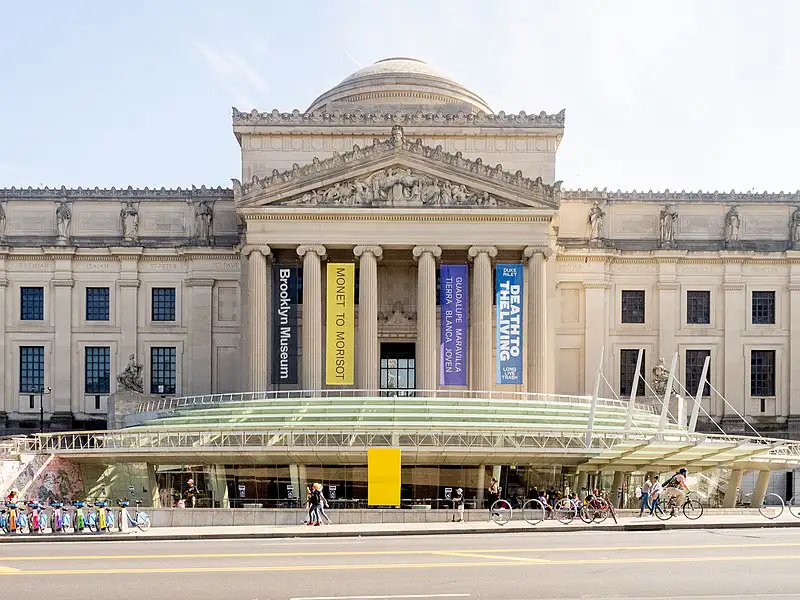
Image from Wikimedia.org
Common areas of concern include slippery floors near entrances, uneven flooring in exhibit spaces, and tripping hazards around temporary displays. For those injured in these types of accidents, it’s important to understand both the potential causes and the legal rights to pursue compensation for injuries. The Brooklyn Museum, like any property owner, holds a duty to maintain a safe environment for its guests, ensuring that hazards are promptly addressed and visitor safety is prioritized.
Common Causes of Trip and Fall Accidents at Brooklyn Museum
Trip and fall accidents in museums often occur due to a range of factors that are either environmental or related to visitor behavior. At the Brooklyn Museum, slippery floors near entryways or restrooms can increase the likelihood of falls, especially during rainy or snowy seasons. Similarly, areas with uneven flooring or worn steps pose risks for visitors, especially in dimly lit or high-traffic zones.
In addition to these structural issues, temporary exhibits or areas under construction may introduce new hazards. Items like cables, display fixtures, and temporary barriers often pose risks that can lead to falls if not clearly marked. Finally, crowded exhibits can create situations where visitors may trip over unforeseen obstacles as they focus on displays rather than their surroundings.
By identifying these risks and implementing safety measures, the Brooklyn Museum’s management can help reduce the likelihood of trip and fall incidents. Nevertheless, when these hazards are not addressed, they can result in serious injuries and potential liability for the museum.
Injuries Resulting from Trip and Fall Accidents
Trip and fall accidents, though common, can lead to severe injuries that require extensive medical care and recovery time. Some of the most frequent injuries sustained in these incidents include fractures, sprains, and cuts. For example, a fall on hard museum flooring may result in broken bones, particularly in the wrist or hip if a person instinctively tries to catch themselves. Sprains and strains are also common, often affecting ankles or knees.
In more severe cases, trip and fall accidents can lead to head injuries or concussions, which may have lasting effects on a person’s cognitive health and quality of life. Spinal injuries, too, are not uncommon, especially in falls involving stairs or sudden impact on hard surfaces. Such injuries often require ongoing medical attention and rehabilitation, adding financial stress to the physical recovery process.
For anyone involved in a trip and fall accident, seeking medical attention as soon as possible is essential. Immediate treatment can help prevent complications and strengthen any future legal claims for compensation by documenting the injury’s impact.
Premises Liability and Duty of Care at Brooklyn Museum
Under New York’s premises liability laws, property owners, including institutions like the Brooklyn Museum, are required to maintain safe premises for their visitors. This obligation is referred to as the duty of care and encompasses all reasonable actions needed to prevent harm, such as addressing hazards and conducting regular inspections. Failure to uphold this duty may result in liability if a visitor is injured due to unsafe conditions.
In the case of the Brooklyn Museum, this duty of care could include ensuring that wet floors are promptly cleaned, placing warning signs near hazardous areas, and regularly inspecting flooring, stairs, and exhibit areas for potential hazards. For instance, if the museum knew of a loose tile in a high-traffic area but neglected to repair it, they could be held legally responsible if a visitor suffers a fall as a result.
To establish liability, an injured party must prove that the museum was aware of or should have been aware of the dangerous condition and failed to take appropriate action. Legal guidance can be essential in determining whether the museum’s actions or lack thereof meet the threshold for negligence under New York premises liability law.
Steps to Take After a Trip and Fall at Brooklyn Museum
If you are involved in a trip and fall accident at Brooklyn Museum, taking certain steps can help protect your health and strengthen any potential legal claim. Start by notifying a museum staff member of the incident and request that they document it in an incident report. This report serves as an official record, which can be invaluable if you decide to file a claim.
Next, document the scene by taking photos of the area where the accident occurred. Capture any visible hazards, such as uneven flooring or a lack of warning signage. If there are any witnesses to the accident, ask for their contact information, as their statements may support your account of what happened.
Lastly, seek medical attention promptly, even if injuries appear minor. Many injuries may not show symptoms immediately but could worsen over time. Medical records provide crucial evidence of the injury’s impact and are important for building a strong case should you decide to pursue compensation for damages.
Filing a Claim for a Trip and Fall Accident in New York
For those injured in a trip and fall accident at the Brooklyn Museum, filing a claim can provide a way to recover compensation for damages. A premises liability claim in New York requires the injured party to prove that the property owner’s negligence directly led to their injury. Essential evidence in these cases includes medical records, witness statements, photographs of the accident scene, and the museum’s incident report.
If Brooklyn Museum is publicly owned, the claims process may involve additional requirements, such as filing a Notice of Claim. This notice must be submitted within 90 days of the accident and serves to notify the responsible public entity of the injury, location, and grounds for liability. Filing this notice in a timely manner is critical for maintaining the right to pursue compensation.
Working with an experienced premises liability lawyer can make the claims process easier by helping you gather the necessary documentation and file your claim within the appropriate timelines. An attorney can also assess the unique aspects of your case, helping you seek the full compensation you may be entitled to under New York law.
Damages Recoverable in a Trip and Fall Accident Case
Victims of trip and fall accidents at Brooklyn Museum may face significant financial, physical, and emotional burdens following an injury. New York law allows injured individuals to pursue compensation, or damages , for both tangible and intangible losses related to the accident. Typical recoverable damages include medical expenses, lost wages, and rehabilitation costs if the injuries require ongoing treatment.
Compensation may also cover non-economic damages, such as pain and suffering and emotional distress, which account for the mental and physical impact of the injury on the victim’s quality of life. If an injury results in a long-term or permanent disability, additional compensation may be awarded to address the reduced earning capacity and future medical care that may be necessary.
To accurately assess damages, consulting with a lawyer experienced in trip and fall cases is beneficial. Legal professionals can calculate both current and future financial needs based on the severity of injuries and their long-term effects, ensuring victims pursue fair compensation that reflects the true impact of their accident.
Statute of Limitations for Trip and Fall Claims in New York
New York’s statute of limitations sets a deadline for filing personal injury claims, including those involving trip and fall accidents. For most personal injury cases, victims have three years from the date of the accident to file a lawsuit. Missing this deadline typically results in a loss of the right to pursue compensation, regardless of the severity of the injuries.
If the Brooklyn Museum is publicly funded or operated by a government entity, additional restrictions apply. In such cases, victims must submit a Notice of Claim within 90 days of the incident, followed by a lawsuit within one year and 90 days. These shortened timelines make it essential for victims to act quickly after an accident to ensure compliance with New York’s filing requirements.
Promptly consulting with a lawyer can help ensure that all deadlines are met and that all necessary documentation is gathered. This proactive approach allows for a well-prepared claim and preserves the right to pursue compensation within the legal timeframe.
How Legal Representation Can Help After a Trip and Fall Accident
The complexities of trip and fall cases often make legal representation essential. A lawyer experienced in premises liability can help investigate the incident, collect evidence, and navigate New York’s legal procedures. This support is particularly valuable when negotiating with insurance companies, who may initially offer settlements far below the actual value of the claim.
Our attorneys’ experience includes identifying all sources of liability, assessing the full scope of damages, and ensuring that clients comply with the strict requirements for public property claims if applicable. By handling the legal aspects, a lawyer enables victims to focus on recovery while pursuing the best possible outcome for their case.
Legal representation can be instrumental in obtaining a fair settlement, especially when injuries have long-lasting effects that require adequate compensation. With the right guidance, victims can pursue the justice and financial support they need after a serious trip and fall accident.
The Law Office of Irene H. Gabo, P.C.: Legal Support for Trip and Fall Victims at Brooklyn Museum
Experiencing a trip and fall accident at a place as respected as the Brooklyn Museum can be both physically painful and emotionally distressing. The Law Office of Irene H. Gabo, P.C. understands the unique challenges that come with premises liability cases and is dedicated to assisting victims in obtaining the compensation they deserve. Our team provides personalized attention to each case, working diligently to investigate the cause of the accident and pursue justice for those affected.
We offer comprehensive support, from evaluating potential claims and gathering evidence to negotiating with insurance companies and, if necessary, representing clients in court. We are committed to securing the compensation our clients need to cover medical bills, lost income, and the pain and suffering caused by their injuries. Our knowledgeable attorneys handle the legal process so that our clients can focus on recovery.
If you or a loved one has been injured in a trip and fall accident at the Brooklyn Museum, Contact the Law Office of Irene H. Gabo, P.C. today to discuss your case. Call us at (800) 560-0214 or complete our online form to schedule a consultation. Let us help you navigate this challenging time and work toward a successful outcome for your case.

Irene H. Gabo is a dedicated personal injury attorney based in Brooklyn, specializing in a wide range of personal injury cases. With over a decade of experience, she has successfully represented thousands of clients who have suffered injuries from motor vehicle accidents, construction incidents, dog bites, and medical malpractice. Known for her expertise and commitment, Ms. Gabo has recovered millions of dollars for her clients, ensuring they receive the justice and compensation they deserve. If you or a loved one has been injured in Brooklyn, reach out to Irene for a free consultation and expert guidance on your personal injury claim.