The Impact of Dog Bites on Children
Dog bites can have a devastating impact on children, both physically and emotionally. Children are especially vulnerable to serious injuries due to their small size and lack of experience interacting with animals. In Brooklyn and beyond, these incidents often leave young victims with long-term scars-both visible and invisible-affecting their well-being for years to come.
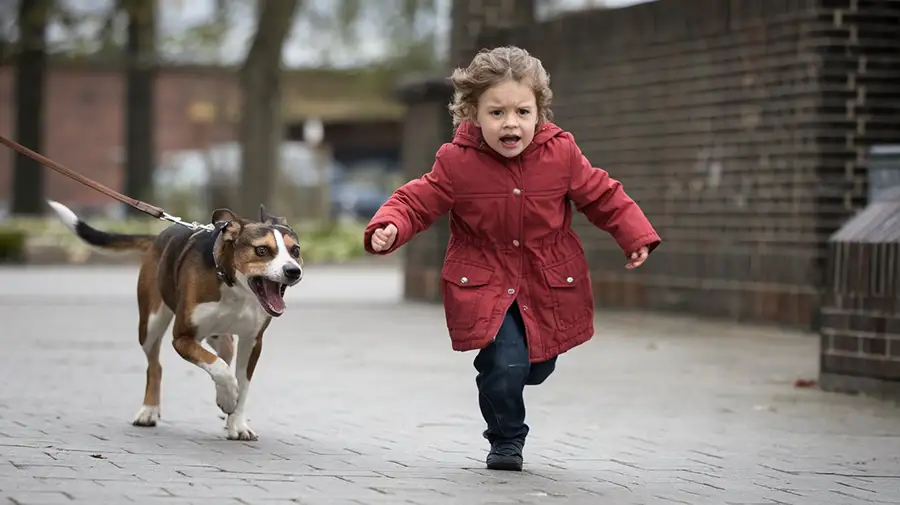
The aftermath of a dog attack on a child can be overwhelming for families. In addition to immediate medical concerns, parents must also address emotional trauma, potential developmental delays, and financial burdens related to treatment and recovery. These challenges make it essential to pursue compensation to ensure the child receives the care they need, now and in the future.
This post explores the unique risks and consequences associated with dog bites on children, focusing on both the physical injuries and emotional trauma they experience. We’ll also discuss the legal steps parents can take to protect their child’s rights and secure the financial support needed for a full recovery.
Why Children Are at Higher Risk of Dog Attacks
Children are far more likely to suffer serious injuries from dog bites than adults. There are several reasons for this increased risk. Young children often lack the ability to read a dog’s body language and may unknowingly provoke an animal by approaching it too quickly, pulling its tail, or trying to hug it. Additionally, children are more likely to be at eye level with dogs, making bites to the face and head more common.
Even otherwise friendly dogs may react unpredictably to a child’s sudden movements or high-pitched noises. Studies show that children between the ages of 5 and 9 are especially vulnerable, as they are active enough to engage with animals but often lack the caution needed to avoid risky interactions.
Supervision is key, but accidents can happen in seconds, especially when children are around unfamiliar dogs. Dog owners have a responsibility to ensure that their pets are properly restrained or kept away from situations where they might react aggressively to a child. When negligence occurs, children often pay the price with serious injuries.
Common Physical Injuries in Child Dog Bite Cases
Dog bites on children often result in severe physical injuries , especially when the bite occurs on the face, neck, or hands. Because children’s bones and tissues are still developing, they are more susceptible to deep wounds, fractures, and long-term complications. Some of the most common injuries include:
- Facial injuries: Bites to the face are common in children due to their height. These injuries can require stitches, reconstructive surgery, or even plastic surgery to minimize scarring.
- Puncture wounds: Dog teeth can penetrate deeply into muscle and tissue, increasing the risk of infection.
- Fractures and broken bones: Large dogs can cause fractures, particularly in the arms and hands, when a child tries to protect themselves.
- Nerve damage: Bites to sensitive areas can result in nerve damage, leading to numbness or limited mobility in the affected area.
- Scarring and disfigurement: Permanent scars from dog bites can leave children with visible reminders of the attack, impacting their self-esteem as they grow.
Immediate medical treatment is critical for reducing the risk of infection and preventing complications. However, recovery can take months or even years, with some children requiring multiple surgeries to restore function and appearance.
Emotional and Psychological Consequences for Young Victims
Dog bites don’t just leave physical scars-many children experience profound emotional trauma following an attack. A sudden, violent encounter with an animal can trigger anxiety, nightmares, and long-term phobias. Some children develop a fear of dogs or other animals, which can interfere with their daily lives and social interactions.
In severe cases, children may suffer from post-traumatic stress disorder (PTSD) . Symptoms of PTSD in children include recurring nightmares, emotional withdrawal, difficulty concentrating, and heightened fear responses. Younger children may struggle to process the trauma and show signs of behavioral changes, such as aggression, clinginess, or separation anxiety.
Psychological recovery often requires professional counseling or therapy to help the child regain a sense of safety and normalcy. This care can take time and involve significant costs, which is why emotional trauma should be factored into any compensation claim.
Long-Term Effects of Dog Bites on Children
Dog bite injuries can have lasting consequences that affect a child’s physical, emotional, and social development. Permanent scarring or disfigurement may impact a child’s self-esteem, particularly as they grow older and become more self-conscious about their appearance. Children who experience nerve damage or limited mobility may also face physical challenges that interfere with sports, hobbies, or everyday activities.
The emotional toll of a dog attack can linger well into adulthood. For some children, the fear of animals becomes a lifelong phobia, limiting their ability to enjoy parks, visits to friends with pets, or other activities involving animals. Social isolation and depression are also potential long-term effects, especially if the child’s injuries lead to bullying or exclusion by peers.
Because these long-term impacts are difficult to predict, it’s essential to pursue compensation that accounts not just for immediate costs but also for the potential future expenses associated with physical and emotional recovery. An experienced lawyer can help ensure that the long-term needs of the child are fully considered when building a claim.
Legal Considerations When the Victim Is a Minor
When a child is injured in a dog attack, there are unique legal considerations that parents and guardians need to understand. In New York, minors cannot file lawsuits on their own. A parent or legal guardian must act on their behalf to pursue compensation for the child’s injuries. Additionally, the court may need to approve any settlement to ensure that it is in the child’s best interest.
Another important legal consideration is the statute of limitations . In New York, the typical deadline for filing a personal injury lawsuit is three years from the date of the injury. However, if the victim is a child, the three-year period does not begin until the child’s 18th birthday, effectively giving them until age 21 to pursue a claim. This extended timeline provides some flexibility, but it’s usually best to start the legal process as soon as possible to preserve evidence and ensure the strongest case.
It’s also critical for parents to understand that claims involving government entities, such as a public school or park, may have shorter deadlines. In these cases, a Notice of Claim must be filed within 90 days of the incident. Our attorneys guide families through these legal complexities to make sure their child’s rights are protected.
The Role of Parental Advocacy in Securing Compensation
Parents and guardians play a critical role in securing fair compensation for their child’s injuries. From seeking prompt medical treatment to gathering evidence and filing insurance claims, parental involvement is essential at every step. Acting quickly helps ensure that the injury is properly documented and the necessary steps are taken to protect the child’s legal rights.
Parents also need to advocate for the emotional well-being of their child. This may include seeking counseling or therapy, documenting the psychological effects of the attack, and ensuring that these non-economic damages are included in the claim. Emotional trauma can have a significant impact on a child’s development, and it’s important that these effects are not overlooked during settlement negotiations.
Our attorneys work closely with parents to develop a comprehensive claim that addresses all aspects of the child’s recovery-physical, emotional, and financial. We handle the legal and insurance-related challenges so parents can focus on their child’s health and well-being.
Compensation for Medical Treatment, Therapy, and Other Expenses
Compensation in child dog bite cases must account for a wide range of expenses. The initial medical treatment is often just the beginning-many children require follow-up care, physical therapy, and sometimes reconstructive surgery. Additionally, psychological counseling may be necessary to help the child recover emotionally.
Common categories of compensation include:
- Medical expenses: Covers emergency care, hospital bills, surgeries, medications, and follow-up visits.
- Therapy and counseling: Includes sessions with mental health professionals to address anxiety, PTSD, or other emotional issues.
- Rehabilitation: Physical therapy or occupational therapy to restore mobility and function after an injury.
- Future medical costs: Compensation for surgeries or treatments the child may need as they grow.
- Pain and suffering: Non-economic damages that account for the physical and emotional toll of the injury.
Our team ensures that every potential expense is included in the claim. We work with medical experts to project future costs so that families are not left with unexpected bills down the road.
Building a Strong Case for a Child Dog Bite Claim
Proving liability in a dog bite case involving a child requires strong evidence and careful documentation. Even when the facts seem clear, insurance companies may attempt to downplay the extent of the injuries or shift some of the blame onto the child or their parents. A well-prepared case is essential to overcoming these challenges.
Key elements of a strong claim include:
- Medical records: Detailed documentation of the child’s treatment and recovery.
- Incident reports: Filing reports with animal control or police helps establish the facts of the case.
- Witness statements: Testimony from people who saw the attack strengthens the claim.
- Photographs: Images of the injury, the recovery process, and the location of the attack.
- Mental health evaluations: Documentation of emotional trauma to support claims for non-economic damages.
Our attorneys take the lead in gathering this evidence and building a compelling case. We ensure that every detail is accounted for, giving families the best chance of securing fair compensation.
How Insurance Complicates Dog Bite Claims for Children
Insurance coverage often plays a central role in dog bite cases, but dealing with insurers can be particularly challenging when the victim is a child. Many homeowners and renters insurance policies provide liability coverage for dog bites, but insurers may try to minimize payouts by arguing that the injuries aren’t as serious as claimed or that the child provoked the dog.
Additionally, some policies exclude coverage for certain breeds or limit the amount the insurer will pay. These restrictions can leave families struggling to cover medical bills and other expenses. Our attorneys know how to navigate these complications, ensuring that insurance companies honor their obligations and offer fair settlements.
Statute of Limitations for Child Dog Bite Cases in New York
New York’s statute of limitations gives minors more time to pursue personal injury claims. While adults have three years from the date of the incident to file a lawsuit, the clock doesn’t start ticking for children until their 18th birthday. This effectively gives child victims until age 21 to take legal action.
However, waiting too long can complicate a case. Evidence may become harder to obtain, and witnesses may be more difficult to track down as time passes. Additionally, insurance claims must still be filed promptly, and government-related claims require a Notice of Claim within 90 days of the incident.
It’s always best to start the process early to build a strong case. Our attorneys help families meet all deadlines and gather the necessary evidence while it’s still fresh, ensuring the best chance for success.
How Law Office of Irene H. Gabo, P.C. Supports Families Through This Difficult Time
At the Law Office of Irene H. Gabo, P.C., we understand how overwhelming it can be when a child is injured by a dog. Families face not only the stress of medical treatment but also the emotional toll of helping their child recover from trauma. Our team is here to guide you through the legal process and handle the complexities of your case, so you can focus on what matters most-your child’s well-being.
We take a comprehensive approach to each case, pursuing compensation for all aspects of your child’s recovery, including medical costs, therapy, and pain and suffering. Our attorneys know how to deal with insurance companies and fight back against lowball offers or denied claims. We are committed to securing the financial support your family needs to move forward.
Contact the Law Office of Irene H. Gabo, P.C. to Protect Your Child’s Rights
If your child has been injured in a dog attack, don’t wait to seek legal help. At the Law Office of Irene H. Gabo, P.C., we’re ready to advocate for your family and ensure that your child receives the compensation they deserve. Navigating the legal process can be complicated, but you don’t have to do it alone.
Call us at (800) 560-0214 or complete our online form to schedule a consultation. We’ll guide you through every step, making sure your child’s rights are protected and your family has the support needed for a full recovery.

Irene H. Gabo is a dedicated personal injury attorney based in Brooklyn, specializing in a wide range of personal injury cases. With over a decade of experience, she has successfully represented thousands of clients who have suffered injuries from motor vehicle accidents, construction incidents, dog bites, and medical malpractice. Known for her expertise and commitment, Ms. Gabo has recovered millions of dollars for her clients, ensuring they receive the justice and compensation they deserve. If you or a loved one has been injured in Brooklyn, reach out to Irene for a free consultation and expert guidance on your personal injury claim.