Historical Landmarks in Bedford- Stuyvesant
Bedford-Stuyvesant, commonly known as Bed-Stuy, is one of Brooklyn’s most historically and culturally rich neighborhoods. Renowned for its vibrant African American community, stunning brownstone architecture, and deep-rooted cultural heritage, Bed-Stuy is home to numerous historical landmarks that tell the story of its past.
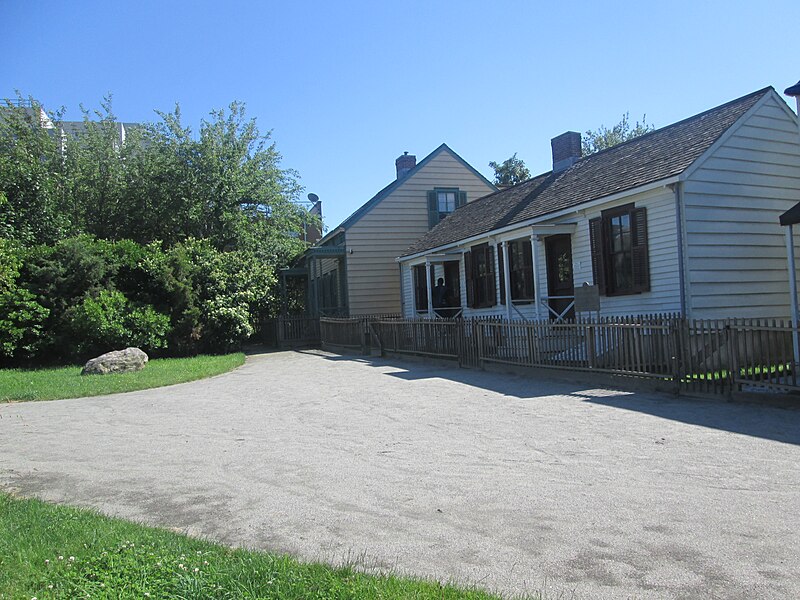
Image from Wikimedia.org
The Weeksville Heritage Center
The Weeksville Heritage Center is a vital historical and cultural site in Bed-Stuy, preserving the legacy of one of the first free black communities in America. Weeksville was established in 1838 by James Weeks, an African American longshoreman who purchased land in the area. During the mid-19th century, Weeksville grew into a thriving, self-sufficient community, providing a refuge for African Americans fleeing the oppressive conditions of the pre-Civil War era. The Heritage Center is located at 158 Buffalo Avenue and includes the historic Hunterfly Road Houses, which are among the few remaining structures from the original Weeksville settlement. These houses have been meticulously restored and now serve as a museum, offering a glimpse into the lives of Weeksville’s residents. The center provides educational programs, exhibitions, and tours that highlight the community’s contributions to African American history and culture.
Weeksville was not just a residential area; it was a hub of activism and self-determination. The community established its own schools, churches, and businesses, fostering an environment of economic independence and social progress. Weeksville residents were active in the abolitionist movement, and the community served as a stop on the Underground Railroad. The Heritage Center’s mission extends beyond preserving physical structures; it aims to keep the spirit of Weeksville alive by educating the public about the community’s historical significance. Through various programs and events, the center continues to inspire and empower new generations by celebrating the resilience and achievements of its founders. Weeksville’s legacy as a beacon of black self-determination and community-building remains a cornerstone of Bed-Stuy’s cultural heritage.
The Billie Holiday Theatre
The Billie Holiday Theatre, located at 1368 Fulton Street in Restoration Plaza, is a cornerstone of Bed-Stuy’s cultural life. Named after the legendary jazz singer Billie Holiday, who spent part of her childhood in Bed-Stuy, the theater was founded in 1972 as part of the Bedford Stuyvesant Restoration Corporation (BSRC). The BSRC is the nation’s first community development corporation, established to revitalize the neighborhood and improve the quality of life for its residents. The Billie Holiday Theatre has a rich history of showcasing African American talent and telling stories that reflect the black experience. Over the decades, it has nurtured the careers of many prominent actors, playwrights, and directors, becoming a significant institution in the American theater landscape. The theater’s productions often address themes of social justice, cultural identity, and community, resonating deeply with audiences and contributing to the national conversation on race and equity.
The theater’s intimate 200-seat venue provides a unique setting for both performers and audiences, fostering a close-knit community atmosphere. The Billie Holiday Theatre is not just a performance space; it is a cultural hub that offers a variety of programs, including youth theater workshops, playwriting classes, and community events. These programs aim to engage and inspire local residents, particularly young people, by providing them with opportunities to explore and develop their artistic talents. One of the theater’s most notable achievements is its commitment to producing new works by African American playwrights. This dedication has helped to bring many important voices to the forefront, enriching the cultural tapestry of Bed-Stuy and beyond. The theater’s influence extends beyond its walls, as it continues to be a powerful force in promoting African American culture and empowering the community through the arts.
Stuyvesant Heights Historic District
The Stuyvesant Heights Historic District is one of Bed-Stuy’s most well-known and expansive historic areas. Designated as a New York City Historic District in 1971 and expanded in 1996, it includes a wide array of late 19th-century row houses, churches, and civic buildings. The district is bounded roughly by Macon Street, MacDonough Street, Tompkins Avenue, and Stuyvesant Avenue. Stuyvesant Heights is renowned for its beautiful brownstones, designed in styles such as Romanesque Revival, Queen Anne, and Neo-Grec. These homes are characterized by their ornate facades, intricate carvings, and elegant stoops, reflecting the architectural grandeur of the late 19th century. Walking through the tree-lined streets of Stuyvesant Heights, one can appreciate the craftsmanship and attention to detail that went into the construction of these historic buildings.
Key architectural landmarks within the district include the Alhambra Apartments, the Queen of All Saints Church, and the Boys’ High School. The Alhambra Apartments, located at 500 Nostrand Avenue, is a striking example of Romanesque Revival architecture, with its elaborate brickwork and decorative terracotta details. The Queen of All Saints Church, at 300 Vanderbilt Avenue, is an impressive Gothic Revival structure that serves as a spiritual and community center for the neighborhood. The Boys’ High School, located at 832 Marcy Avenue, is another significant landmark in Stuyvesant Heights. Built in 1891, the school is a majestic Romanesque Revival building with a towering clock tower and elaborate stone carvings. It has educated generations of Bed-Stuy residents and remains a symbol of the neighborhood’s commitment to education and community development.
Stuyvesant Heights is not only an architectural treasure but also a vibrant community with a rich cultural heritage. The district’s well-preserved streetscapes and historic buildings create a visually stunning environment that reflects the neighborhood’s development during the late 19th and early 20th centuries. Community organizations and residents have worked tirelessly to preserve the historic character of Stuyvesant Heights, ensuring that it remains a cherished part of Bed-Stuy’s identity.
Conclusion
Together, these landmarks highlight the historical depth and cultural richness of Bedford-Stuyvesant, making it a neighborhood that honors its past while thriving in the present.